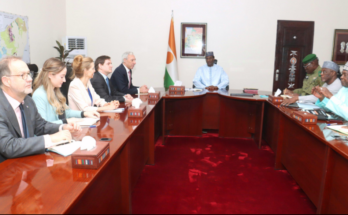
A pivotal moment for Cameroon’s infrastructure development unfolds this Thursday in Yaoundé, as the government, Africa Global Logistics (AGL), and Camalco—Canyon Resources’ local subsidiary—prepare to sign a memorandum of understanding (MoU) that will shape the future of the Edéa–Kribi–Lolabé–Campo railway corridor. The landmark agreement, slated for the Starland Hotel under the watchful eye of Transport Minister Jean Ernest Massena Ngallè Bibehe, is more than an administrative formality; it marks the beginning of a transformative logistics overhaul.
A railway corridor poised to redefine Cameroon’s supply chain
The Edéa–Kribi–Campo project isn’t just another rail line—it’s the backbone of a national supply chain revolution. For years, this corridor has been a cornerstone of Cameroon’s railway masterplan, with discussions dating back to 2021. Back then, officials were already mapping out two critical segments totaling 291.5 kilometers: the 184.5-kilometer Edéa–Kribi–Campo stretch and the 107-kilometer Douala–Limbé–Idénau route. Today’s MoU expands this vision by integrating Lolabé, a strategic node adjacent to Kribi’s deep-water port, into the equation.
The upcoming public-private partnership (PPP) will span the entire lifecycle of the infrastructure—from feasibility studies and financing to construction, operation, and maintenance. Yet, no final investment decision is expected just yet. Key details remain unresolved, including the exact route length, phased construction timeline, total budget, concession duration, and service launch schedule. For the Cameroonian government, this project is about unlocking the economic potential of the South while boosting the country’s export competitiveness. For AGL, a logistics heavyweight already entrenched in Central Africa’s rail and port sectors, it’s an opportunity to solidify its dominance in freight logistics.
Kribi’s deep-water port: the missing link in Cameroon’s mining logistics
The economic rationale behind the corridor hinges on Kribi’s deep-water port—the only facility of its kind in Cameroon. Despite its strategic location, the port’s growth has been stifled by inadequate land transport connections, a gap that a railway link would fill. Such a connection would create a seamless flow between the port, nearby industrial zones, and international markets. Kribi could then handle cargo volumes that Douala’s constrained Wouri estuary struggles to accommodate efficiently.
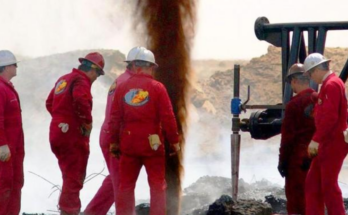
The MoU’s mining dimension takes center stage with Camalco’s involvement. The company is spearheading the Minim Martap bauxite project in the Adamaoua region, touted as one of the world’s most significant bauxite deposits. Canyon Resources estimates proven reserves at 144 million tons, averaging 51.2% alumina and 1.7% silica, with total resources projected at 1.102 billion tons. Such massive volumes demand a robust evacuation chain—one that integrates mines, rail networks, storage terminals, and bulk carriers.
Camalco secures the mine-to-port supply chain
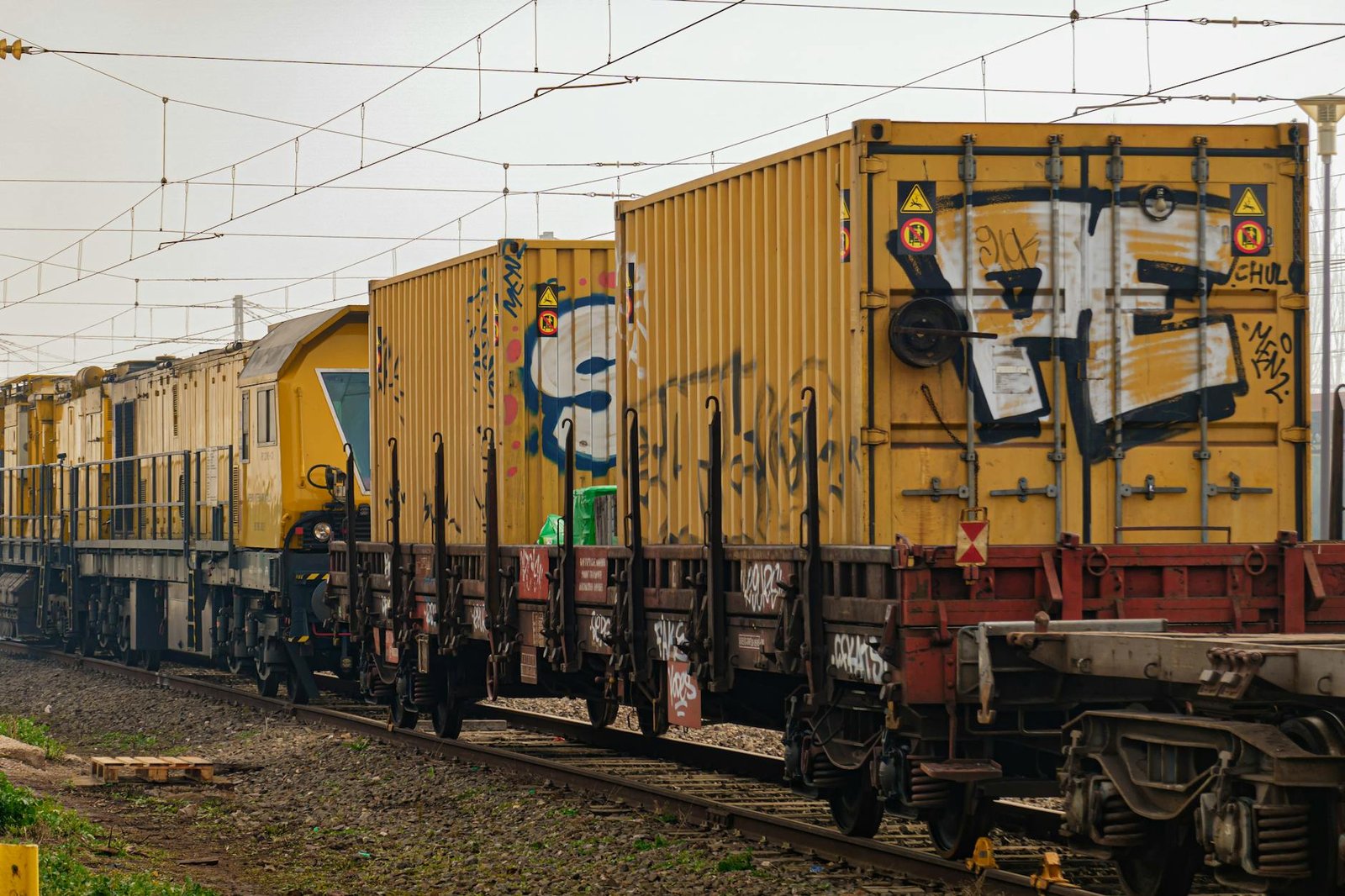
In the near term, Camalco’s strategy revolves around Douala. To fortify this critical link, the company has invested 9.852 billion FCFA to increase its stake in Camrail, the rail concessionaire, from 9.1% to 26.9%. Additionally, Camalco has injected 347.447 million FCFA into Terminal Bois du Port de Douala S.A. Preparations are also underway for the Inland Rail Facility and port upgrades. Locomotives are slated to arrive by Q2 2026, followed by wagons in July, with the first bauxite shipment expected by Q3 2026.
Yet, Douala’s nautical limitations inevitably inflate unit costs for bulk mineral transport. The Edéa–Kribi–Lolabé–Campo corridor offers a direct alternative to a deep-water port, reducing reliance on the current system. For Cameroon, the equation balances regional connectivity, natural resource valorization, and Kribi’s emergence as a premier export hub. Still, structural unknowns linger. The MoU doesn’t address investment costs, risk-sharing frameworks, or environmental and land-use impacts—variables that will shape investor confidence and the project’s economic viability. Nonetheless, the Yaoundé signing reaffirms the corridor’s place among Cameroon’s most ambitious infrastructure endeavors, signaling a future where rail, ports, and mines operate in perfect harmony.