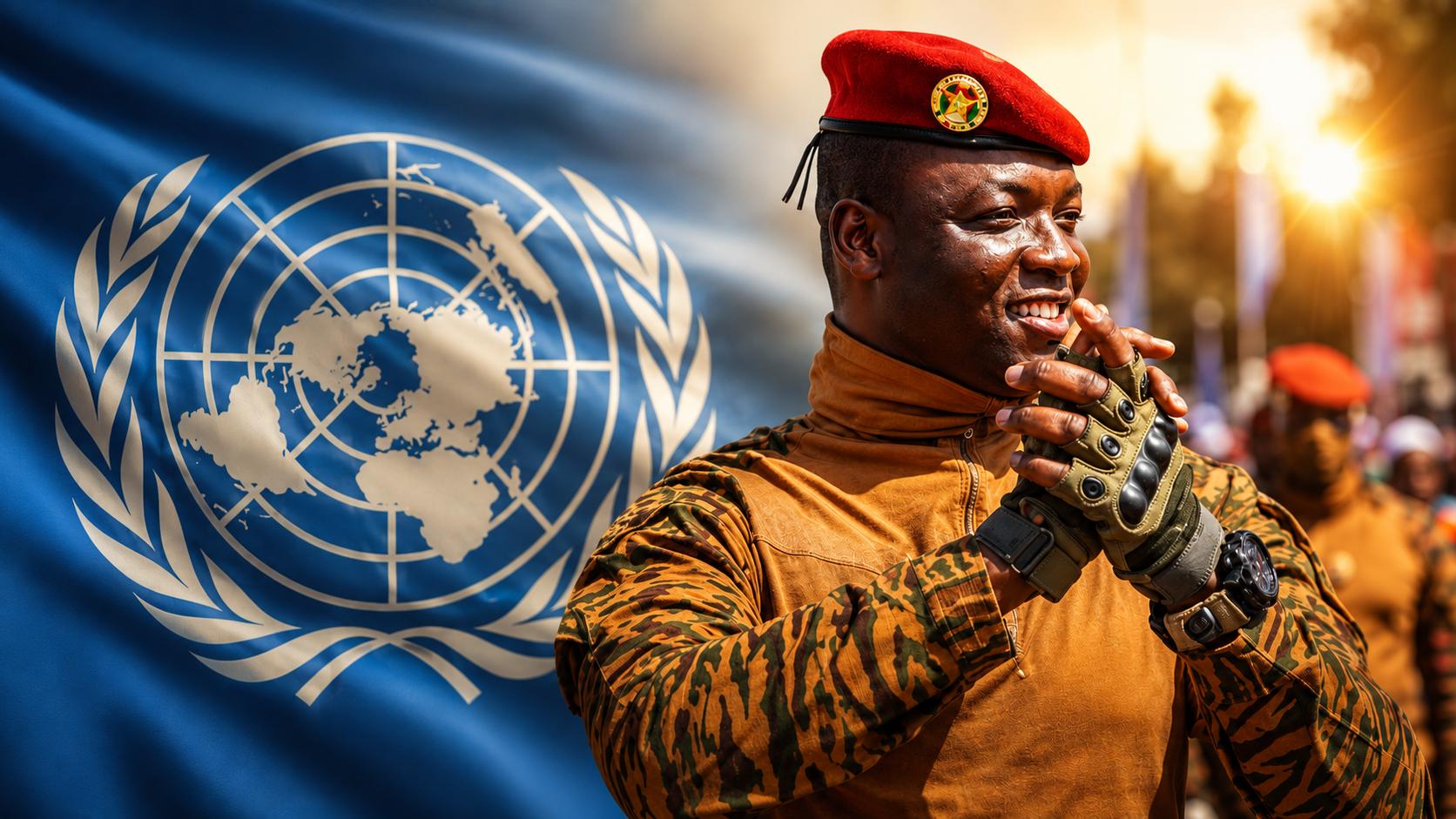
The Burkina Faso of today stands at an unprecedented crossroads of international isolation, and the architect of this diplomatic collapse bears a name: Captain Ibrahim Traoré, the leader of the nation’s transitional government. By forcibly ousting the United Nations human rights office from the country, he has not only crossed a red line but also exposed the deep-seated flaws in his administration—a governance style steeped in paranoia, opacity, and an outright refusal to engage with accountability.

Captain Traoré’s ascent to power through a coup in September 2022 marked the beginning of a calculated retreat from diplomacy. What started as a rhetoric of national sovereignty has morphed into a scorched-earth policy, systematically severing Burkina Faso from its long-standing allies and global institutions.
The deliberate retreat from global engagement
Expelling the UN human rights mission is not an isolated incident; it is the culmination of a broader strategy to shut out scrutiny under the guise of defending sovereignty. The pattern of exclusion is deliberate and far-reaching:
- CEDEAO rupture: The abrupt severance of ties with the Economic Community of West African States (CEDEAO) was not a negotiation failure—it was a political choice to reject regional mediation.
- Media suppression: Independent journalists, both local and foreign, face relentless censorship or suspension at the slightest sign of dissent, ensuring no unfiltered narratives challenge the official line.
- Undermining domestic oversight: The National Human Rights Commission (CNDH) was first weakened before the UN office became the next target, reinforcing the regime’s aversion to external validation.
By dismantling these independent watchdogs, Traoré is attempting to monopolize the narrative around the country’s security crisis. Any documentation of human rights violations, military setbacks, or strategic failures is swiftly dismissed as