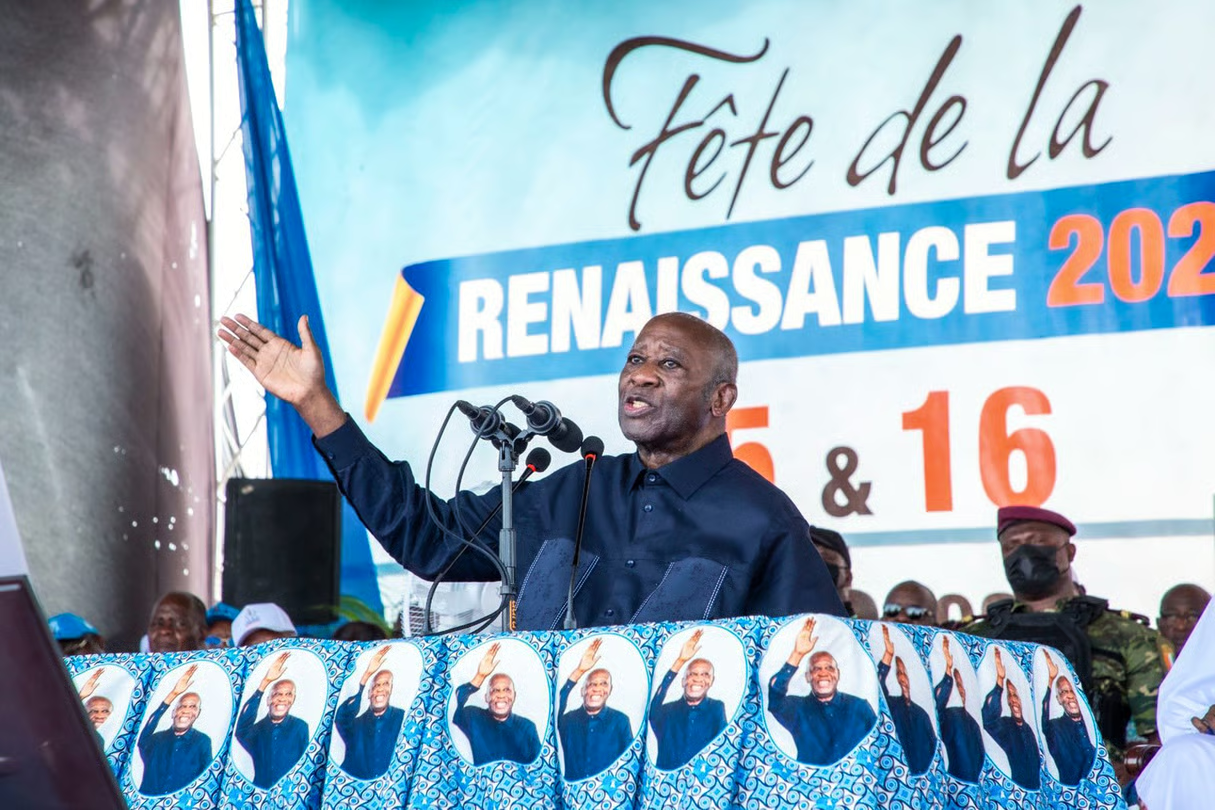
In an unexpected yet calculated move, former President Laurent Gbagbo has stepped back from active leadership within Côte d’Ivoire’s Popular Front (PPA-CI), yet his influence over the party’s future remains unshaken. This delicate balance between withdrawal and control has reshaped the political landscape, leaving observers to decipher the true extent of his strategic maneuver.
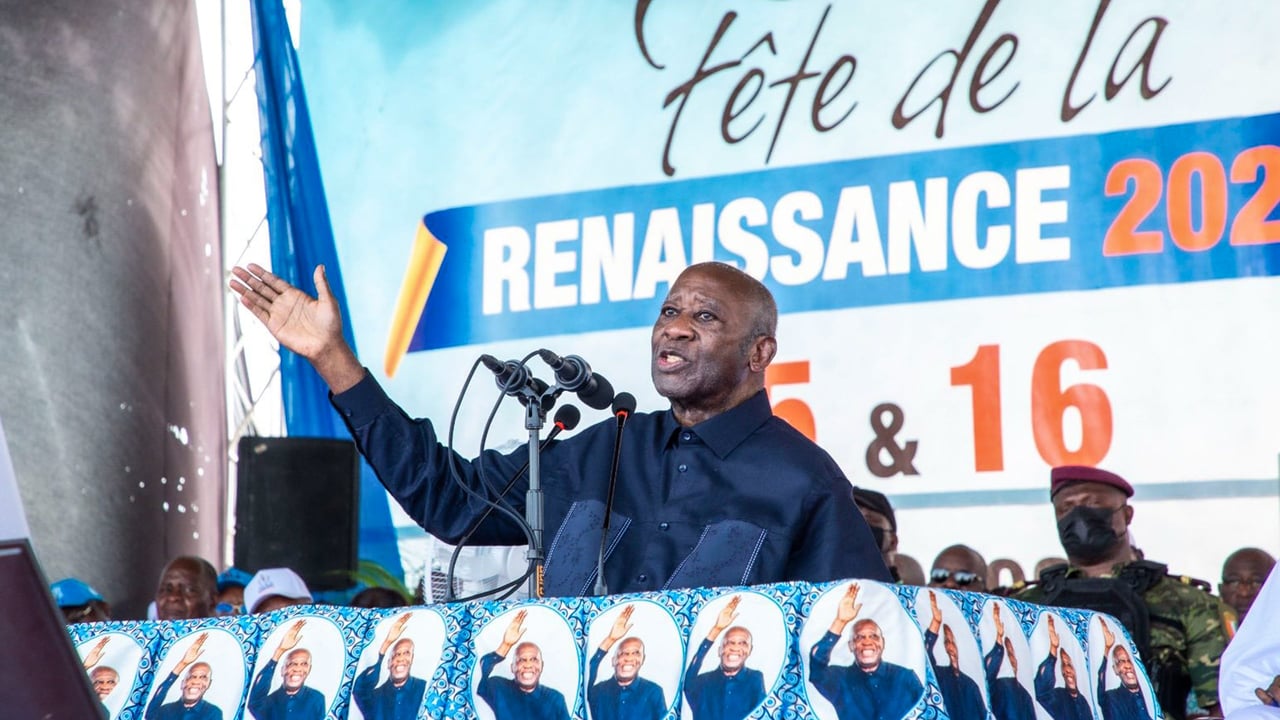
The announcement came during the Renaissance celebration in Songon, where Gbagbo delivered a speech that underscored both his departure from day-to-day operations and his enduring grip on the party’s direction. The timing, coinciding with a period of heightened political activity, suggests a deliberate choice to maintain influence while creating space for new leadership to emerge.
What Gbagbo’s withdrawal means for PPA-CI
The transition marks a significant shift in the party’s dynamics. While Gbagbo’s physical presence at events like the Songon gathering may have diminished, his voice continues to resonate through the party’s decision-making processes. Insiders familiar with the inner workings of PPA-CI describe this as a strategic repositioning, one that allows him to guide the party from the sidelines without shouldering the daily burdens of leadership.
Party officials have emphasized that Gbagbo’s withdrawal is not an abdication but rather a redefinition of his role. His continued involvement ensures that the party’s core values and long-term vision remain aligned with his original principles, even as younger leaders take on more prominent roles.
Who stands to benefit from this transition?
Several names have surfaced in discussions about the party’s future leadership. Among them are figures who have long been associated with Gbagbo but are now poised to step into the spotlight. Their success will depend on their ability to balance loyalty to Gbagbo’s legacy with the demands of a changing political environment.
The transition also presents an opportunity for the party to rebrand itself. With Gbagbo’s charisma no longer at the forefront, PPA-CI may seek to attract a broader base of support by appealing to new demographics while staying true to its core ideology.
Reactions from the Ivorian political scene
Political analysts are divided over the implications of Gbagbo’s move. Some view it as a sign of maturity, demonstrating his willingness to allow the party to evolve under new leadership. Others interpret it as a calculated risk, one that could either solidify his legacy or lead to internal fractures if his successors fail to meet expectations.
The opposition, meanwhile, is watching closely. Gbagbo’s strategic retreat could either weaken his political clout or strengthen it by allowing him to operate from a position of greater influence. Either way, his presence will continue to shape the country’s political discourse for years to come.
Looking ahead: What comes next for PPA-CI?
The coming months will be critical for the party. Internal elections, policy shifts, and public statements from key figures will all play a role in determining whether Gbagbo’s withdrawal leads to renewal or division. One thing is certain: the party’s ability to adapt to this new phase will be closely scrutinized by both supporters and critics alike.
For now, Côte d’Ivoire’s political observers remain on the edge of their seats, eager to see how this power shift within PPA-CI will unfold and what it means for the country’s future.