Chad’s digital battle: women confront online harassment
In 2016, the Zouhoura case sent shockwaves across Chad. A 16-year-old high school student was abducted and subjected to a brutal gang rape. Adding to the profound trauma, her assailants brazenly shared images of the assault on social media. A decade later, digital violence continues to target countless women across the nation, revealing a persistent and alarming issue.
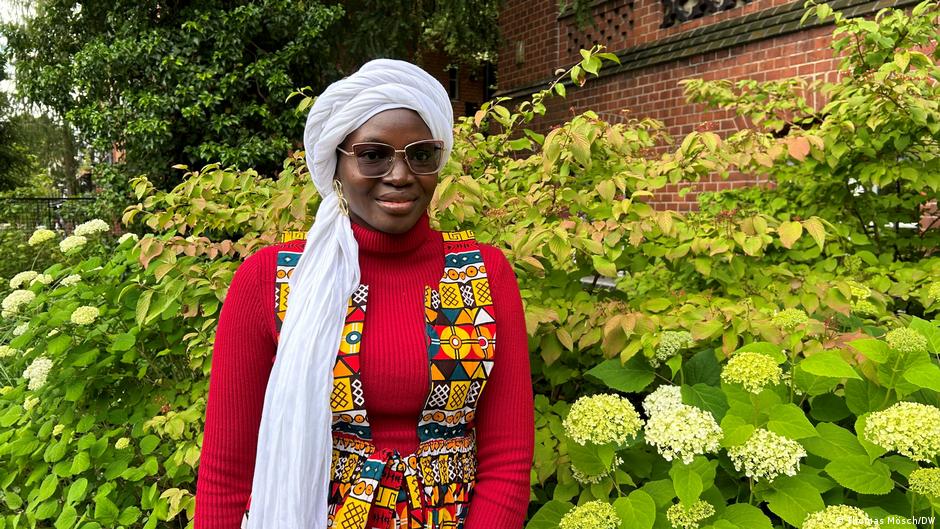
In Chad, much like in many other regions, the simple act of posting a photo or video online can turn an individual into a target of cyberharassment. Among the most vulnerable are human rights activists. Epiphanie Dionrang, president of the Ligue tchadienne des droits des femmes (Chadian League for Women’s Rights), has personally experienced this online abuse due to her vocal advocacy. She recently shared insights into this pervasive reality and discussed potential avenues for better preventing and combating digital violence.
An in-depth discussion:
As president of the Chadian League for Women’s Rights, Epiphanie Dionrang, what connection do you see between your dedication to women’s rights and the growing concern over cyberharassment? Is there a direct link?
Epiphanie: Absolutely. Cyberharassment is undeniably one of the forms of violence that we, as women and young girls, endure daily in our society.
I, too, have been a victim of cyberharassment, experiencing significant backlash on social media because of my public stances. This is a clear example of the violence women face.
What specific manifestations can cyberharassment take?
Epiphanie: Cyberharassment can manifest in numerous ways. It includes receiving constant intimidation, enduring sexist comments, or being bombarded with hate messages across social media platforms. For women, this can also extend to threatening phone calls and various forms of online harassment.
What are the actual consequences of being subjected to cyberharassment? What impact does it have on victims?
Epiphanie: Primarily, the impact is deeply psychological and emotional.
It generates immense stress, anxiety, and often a pervasive sense of fear. The consequences can include depression, profound psychological distress, and a significant loss of confidence and self-esteem.
At times, it leads to isolation and shame, especially since harassers often exploit private information to humiliate their targets. This feeling of humiliation can also cause sleep disturbances and, in severe cases, even suicidal thoughts.
Ultimately, victims often reduce their participation in public or civic life, become less visible, and even self-censor on social media. The impacts are wide-ranging, affecting social, professional, and even economic aspects of life.
Are there typical profiles of cyberharassers? Do we have an understanding of the types of individuals who engage in such behavior?
Epiphanie: Some perpetrators are well-known to their victims. Others operate through fake profiles, often those who simply disagree with our views. It really varies.
Sometimes, they can even be former acquaintances or friends.
There are several methods to identify these individuals or gather evidence. When there’s non-consensual dissemination of photos, videos, or private information, it’s crucial to preserve all evidence. I personally make screenshots of all messages, comments, profiles, and publications. It’s also vital to save links, dates, locations, and usernames to thoroughly examine these profiles.
If a complaint is warranted, it should be filed with the competent authorities. However, in Chad, the justice system often falls short. I once filed a complaint for assault against someone, and despite the time that has passed, we are still searching to identify the person to pursue legal action. This remains a significant challenge. Furthermore, we currently lack a comprehensive digital law or code specific to online offenses.
Chad does have a national cybersecurity agency and a cybercrime unit, which conducts prevention and awareness campaigns, even in schools. Is this still insufficient?
Epiphanie: It is truly insufficient! The issue isn’t widely discussed, and even when reports are made, there’s rarely any follow-up. While an agency exists, what concrete actions are they taking? The work extends beyond mere awareness; it requires both prevention and robust enforcement.
Victims themselves are often afraid to speak out because they feel there is no one to protect them.
Aché Ahmat Moustapha, a Chadian filmmaker, created a documentary titled “Harcèlement 2.0, La résilience des Africaines connectées” (Harassment 2.0, The Resilience of Connected African Women).
Epiphanie: Yes!
You are intimately familiar with it. The film’s objective, as she states, is to encourage dialogue, break taboos, and empower women and victims to break their silence. How can we encourage women to speak up despite the obstacles they might encounter?
Epiphanie: Indeed, I am also featured in the film “Harcèlement 2.0.”
We’ve screened the film extensively to create opportunities for women to share their experiences. However, it’s equally important to establish safe spaces where women can feel heard and truly believe that they will be supported, not judged.
Too often on social media, there’s a tendency to immediately judge these women or girls, without considering the context or the circumstances of what transpired, and without offering victims the necessary support.
This film serves as a profoundly powerful tool for advocacy. While its full message may not have resonated with everyone, it has certainly empowered many girls to voice their stories. This isn’t an issue confined to Chad or Senegal; it’s a societal challenge everywhere.