Gabon and African Development Bank unveil priority projects pact for economic transformation
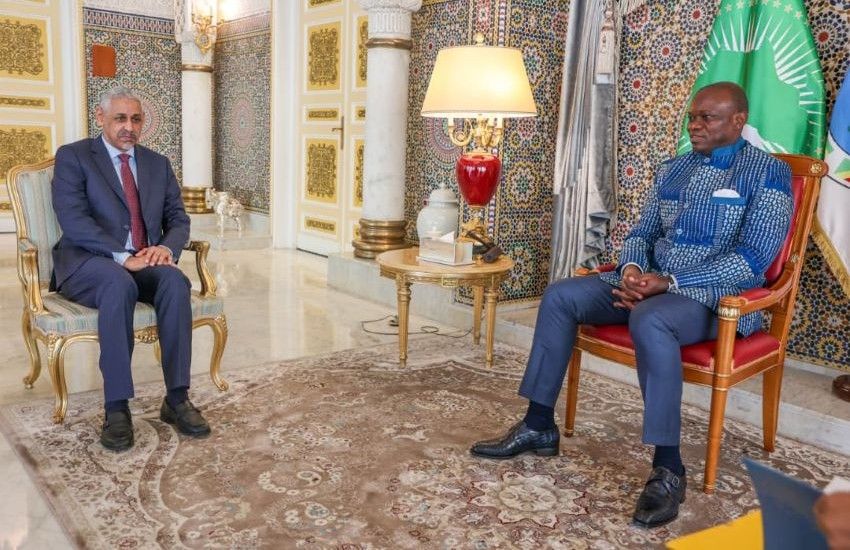
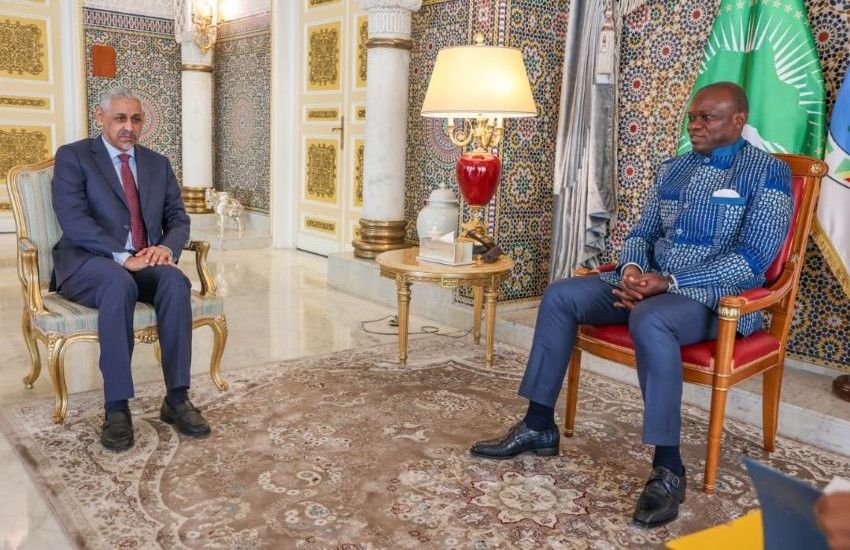
Libreville, Saturday, August 15, 2026 — The partnership between Gabon and the African Development Bank (BAD) is entering a new phase aimed at tangible results. During a meeting held in Libreville on Friday, August 14, President Brice Clotaire Oligui Nguema welcomed Sidi Ould Tah, the newly appointed BAD president, for discussions that extended beyond routine portfolio reviews.
The central theme of the exchange reflected Gabon’s pressing need for external financing to deliver immediate improvements in public welfare. Accompanied by Nouredine Kane Dia, the BAD’s Resident Representative in Gabon, Sidi Ould Tah explored the government’s top priorities: accelerating access to water and electricity, and revitalizing the agricultural sector. These domains directly influence household living standards while shaping the nation’s economic competitiveness.
Water and electricity as national imperatives
Prioritizing energy and water supply is no coincidence. For Gabon, reliable access to these services has become a cornerstone of both development and public trust. The country faces mounting pressure to expand production and distribution networks to meet rising demand and alleviate recurring shortages that disrupt daily life.
Under the new pact, the BAD is positioned to back these efforts through strategic financing initiatives. Discussions centered on bolstering water supply systems sourced from the Komo River, aligning with Gabonese authorities’ strategic vision. This endeavor demands seamless collaboration among technical experts, financiers, and domestic operators to convert existing resources into sustainable public services rather than temporary fixes.
This initiative transcends infrastructure development. Its success hinges on creating lasting solutions that enhance service quality, ensure reliability, and broaden accessibility for all citizens.
Boosting local production to curb imports
Agriculture emerged as a second key focus. Gabon’s heavy reliance on food imports exposes it to volatile global markets, logistical bottlenecks, and supply chain disruptions. President Oligui Nguema emphasized redirecting BAD investments toward strengthening local agricultural output and achieving food self-sufficiency.
The goal is to invigorate farming value chains, empower producers, and systematically reduce dependence on foreign goods. This strategy carries broader economic implications, as agricultural development can simultaneously spur rural employment, enhance food security, and reinforce national value chains. However, success depends on pairing financial injections with robust infrastructure, market access mechanisms, and policies that encourage private investment.
From financial aid to measurable impact
The Libreville meeting underscored a deliberate shift in Gabon-BAD relations. While both parties reaffirmed their commitment to deepening collaboration, the focus shifted toward projects that deliver clear socio-economic benefits. This approach prioritizes targeted interventions over broad financial commitments, emphasizing outcomes that resonate with citizens’ daily struggles.
For Gabon, the challenge now lies in translating political alignment into funded, executed, and long-term projects. For the BAD, the test will be demonstrating how its investments can dismantle structural barriers hindering the country’s progress.
The August 14 discussions mark the beginning of a new chapter. Water, electricity, and agriculture now symbolize a partnership that values results over promises. In an era where citizens demand visible progress, the true measure of this collaboration will be its ability to transform Gabon’s economic landscape—not just in funding volumes, but in the tangible improvements they bring to people’s lives.