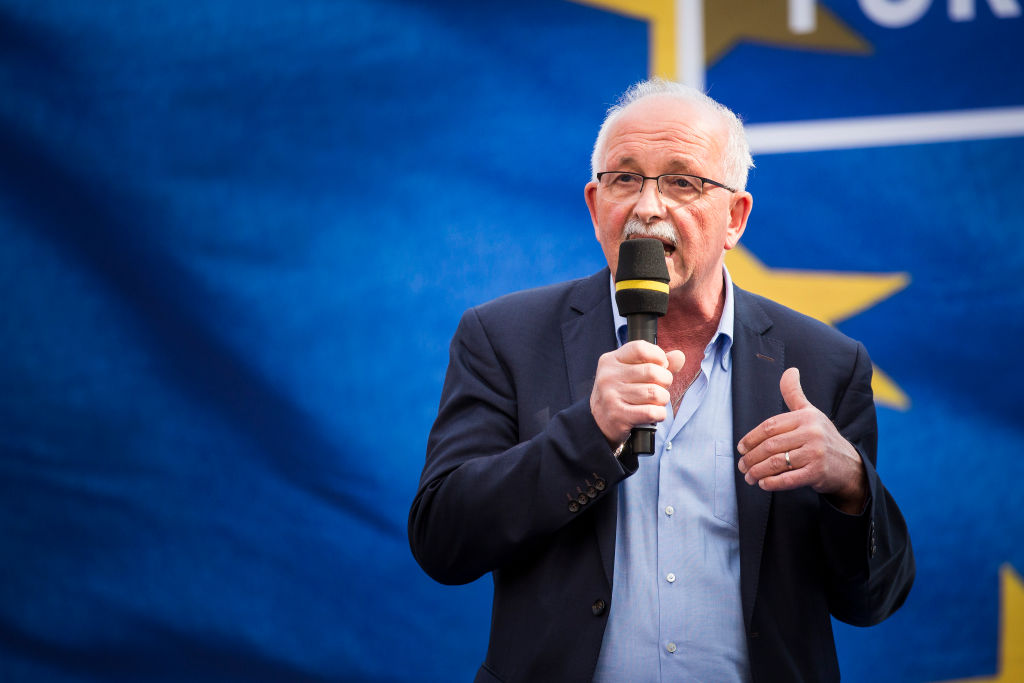
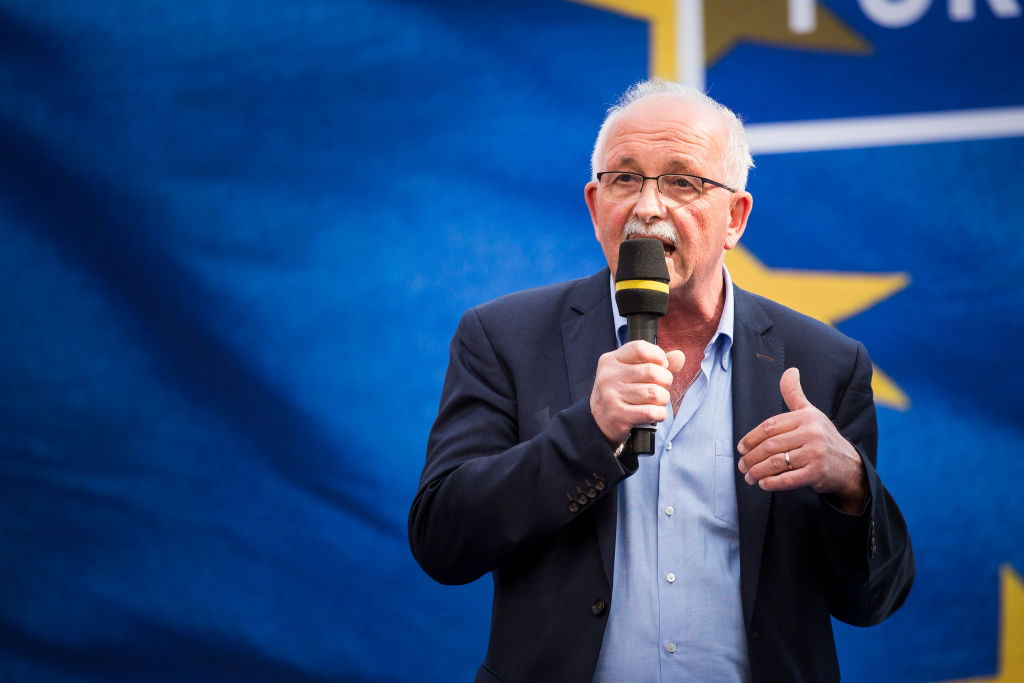
Udo Bullmann, a leading socialist member of the European Parliament, stated that Senegal’s authorities ought to spend EU development funds on Chinese buses if the move benefits Senegalese workers.
A European Union procurement process valued at more than 300 million euros for supplying buses and related infrastructure in Dakar has stirred debate, as the contract appears headed toward a Chinese state-affiliated firm that was earlier penalised for breaching the bloc’s foreign subsidy regulations.
Although several European officials and parliamentarians have condemned the prospective award—one describing it as “insane”—Bullmann expressed his backing for allocating European money to a Chinese state-linked enterprise provided it aids the local workforce.
“The key factor is a trained African labour force and the generation of African value added,” Bullmann remarked on Monday in Brussels.
Last June, while the Senegalese administration was in China, both nations reached an accord to establish a bus assembly factory within Senegal.
The European parliamentarian indicated that he has no concerns regarding the Chinese proposal so long as the successful contractor employs local people.
“It makes little difference to me,” he stated, adding that he is unaware of the specifics of the Senegalese initiative.
“I applaud investors who put money into Africa and upgrade African labour skills,” he continued. “That is what truly matters.”
Bullmann, head of the European Parliament’s delegation for Southern Africa, is organising the Socialists’ Africa Days at the European Parliament this week, which gathers African political leaders and decision-makers. He affirmed that Europe represents the most favourable option for Africa.
“If you seek exploitation, turn to the Chinese. If you seek political oppression, look to the Americans. If you seek partnership, come to the Europeans,” Bullmann declared.
In May, EU Development Commissioner Jozef Síkela announced that future EU development assistance initiatives would include “steps to reinforce European preference” – a viewpoint Bullmann opposes.
“What is essential is a regulation favouring local manufacturing. That is the priority,” Bullmann argued, stressing that procurement processes funded by the EU ought to give precedence to African products.
Barry Andrews, who leads the European Parliament’s development committee, similarly urged Senegal’s government to select the bid that best meets their needs, as he had earlier indicated.
“Essentially, you would be requiring Senegalese citizens to pay double,” Andrews pointed out, highlighting that the CRRC proposal is more than 50% cheaper than Scania’s, the only European competitor in the race.