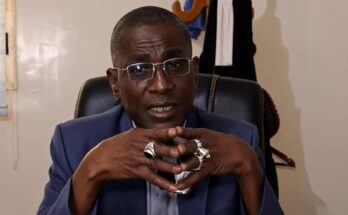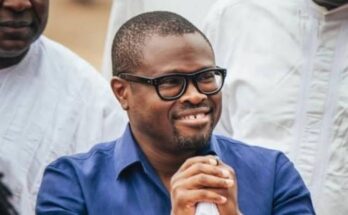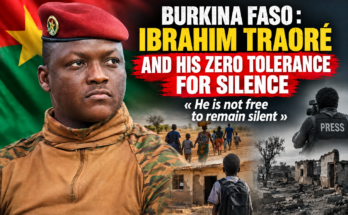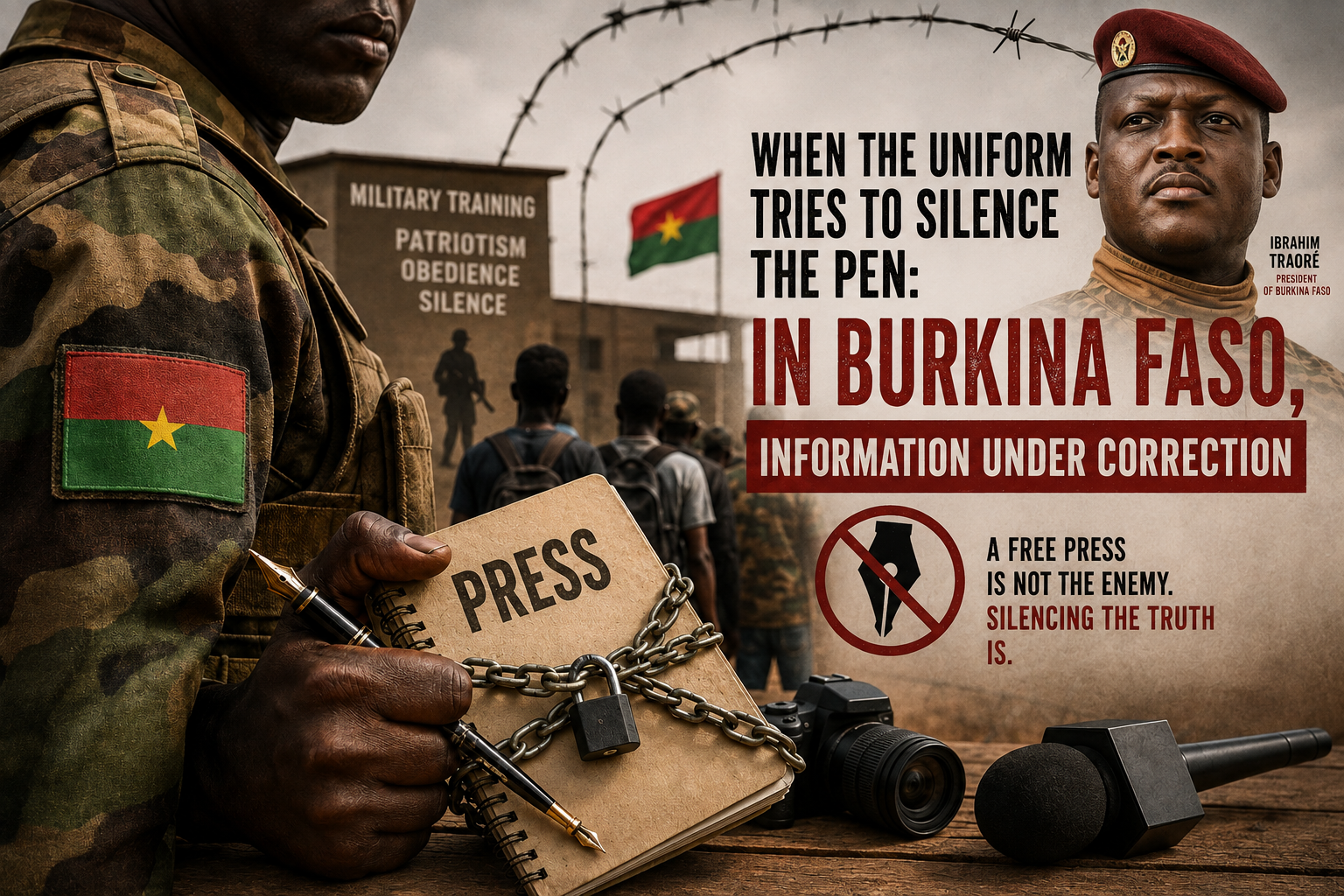
An unsettling image has emerged, one that should trouble any advocate of fundamental freedoms. Near the capital of Burkina Faso, over forty Burkinabè journalists recently completed several days of military training disguised as a « patriotism workshop. » Beneath the polished veneer of civic engagement lies a far more troubling reality: what is presented as an exercise in national pride is, in fact, an attempt to re-educate and subjugate independent journalism.
What remains of press freedom when reporters are compelled whether through direct coercion or subtle pressure to attend military camps to learn what they may or may not report? In Burkina Faso today, the very act of investigating and faithfully conveying the challenges faced by ordinary citizens has become a serious transgression. Exposing security failures, abuses, or civilian distress is increasingly met with accusations of « treason » or « lack of patriotism. » By dispatching journalists to shadowy re-education centers under the guise of training, the current regime is not fostering informed citizenship it is manufacturing compliant mouthpieces for state propaganda.
Erosion of democratic foundations
This enforced conformity signals a dangerous trajectory. Burkina Faso is no longer confronting a military government managing a complex security crisis; it is witnessing the rise of an authoritarian regime that seeks to impose an absolute form of control across all spheres of public life. By monopolizing public discourse and stifling the right to inform, the state positions itself as the sole arbiter of national truth.
Yet journalism that aligns with state directives ceases to be journalism at all. Silencing reporters or forcing them into intellectual uniformity does not resolve a national crisis it deepens it. When the press is gagged, citizens are deprived of clarity, leaving room for rumor, arbitrariness, and misinformation to flourish.
Who owns the right to truth?
At its core, this strategy raises a fundamental question: in times of crisis, to whom does information belong? Should it be the exclusive domain of the state, which may legitimately safeguard sensitive military operations, or should it remain a public right, ensuring citizens are informed about the realities they endure? The line between necessary national security secrecy and political control over information cannot be erased under the banner of urgency.
A state facing terrorism may indeed demand that media outlets exercise caution protecting military identities, avoiding operational disclosures, or emphasizing professional obligations to safety. However, these legitimate concerns must never become a pretext for turning journalists into instruments of political power. National security and regime security are not synonymous.
The misappropriation of patriotism
The concept of « patriotism » itself warrants scrutiny. Loving one’s country does not equate to uncritical allegiance to its rulers. A journalist may be deeply devoted to Burkina Faso precisely because they investigate the hardships faced by its people, document civilian displacement, question authorities, and expose systemic failures that undermine the state.
In a democracy, journalists are not tasked with safeguarding the government’s image. Their duty is to uncover facts and present them to the public, within the bounds of professional ethics. Authorities may challenge a report, present counter-evidence, or invoke legal remedies but they should never predetermine what the press is permitted to think.
The paradox of controlled information
The dangers of a domesticated press extend far beyond the fate of individual journalists. When official and private media refrain from publishing certain truths, the resulting void is never truly empty. It is rapidly filled by unverified claims, social media rumors, and clandestine narratives. In seeking to dominate public discourse, a regime may, paradoxically, erode the very trust it claims to restore.
Trust is not decreed; it is earned through transparency, open debate, and the ability to verify official statements. Citizens who know they can rely on freely reported events are better equipped to distinguish credible information from rumor. Conversely, when certain truths become dangerous to voice, doubt spreads unchecked.
Journalism as a pillar of democracy
There is a fundamental contradiction in the idea of « re-educating » journalists in patriotism. The profession thrives on asking difficult questions. When reporters are barred from investigating public decisions, holding leaders accountable, or confronting official narratives with lived realities, they cease to function as a democratic counterweight.
In a nation grappling with armed violence, mass displacement, and economic strain, the need for independent journalism becomes even more critical. The more severe the crisis, the greater the demand for journalists who verify facts, amplify victims’ voices, contextualize events, and scrutinize policies made in the public’s name.
The militarization of journalism raises another critical question: can those tasked with observing power be expected to operate under the same constraints as those who wield it? The military functions on command, discipline, and confidentiality. Journalism operates on verification, contradiction, editorial independence, and public accountability. Merging these two spheres risks blurring the vital distinction between military obedience and professional freedom.
A slippery slope of ideological control
We must also consider the precedent such practices establish. Today, journalists are pressured to prove their patriotism. Tomorrow, which other professions might face the same ideological scrutiny? Could academics, judges, artists, civil society leaders, researchers, or human rights defenders be deemed « insufficiently patriotic » for criticizing government actions?
A robust democracy is measured not only by its ability to rally citizens behind a unified narrative but by its capacity to endure criticism without branding dissent as hostility.
The enduring power of truth
Historical experience shows that regimes attempting to fully control information rarely succeed in mastering reality. They may dominate media outlets, impose official narratives, and intimidate professionals but they cannot suppress facts indefinitely. Truth persists through personal testimonies, social media, diaspora networks, and international outlets.
The real challenge is not enforcing a single narrative but creating conditions where reliable information can flourish. In a nation at war with armed groups, journalists bear immense responsibility. Yet so, too, does the state: it must protect its citizens without transforming territorial security into a permanent justification for curtailing freedoms.
Patriotism should never serve as a license for censorship. Nor should it be used to divide citizens into those who comply and those who ask questions. A journalist who reveals a state weakness does not necessarily betray the country; they may help prevent that weakness from escalating into catastrophe.
Thus, the issue transcends the journalists directly affected by this training. It speaks to the kind of society Burkina Faso aspires to build: one in which information must first win state approval, or one in which the state accepts that truth, however uncomfortable, must be confronted honestly.
If patriotism today means averting one’s gaze from reality to avoid displeasing the sovereign, then Burkinabè democracy is marching in lockstep toward authoritarianism. But if patriotism means defending the nation with integrity, then journalists must retain the right to face reality even when it unsettles those in power.