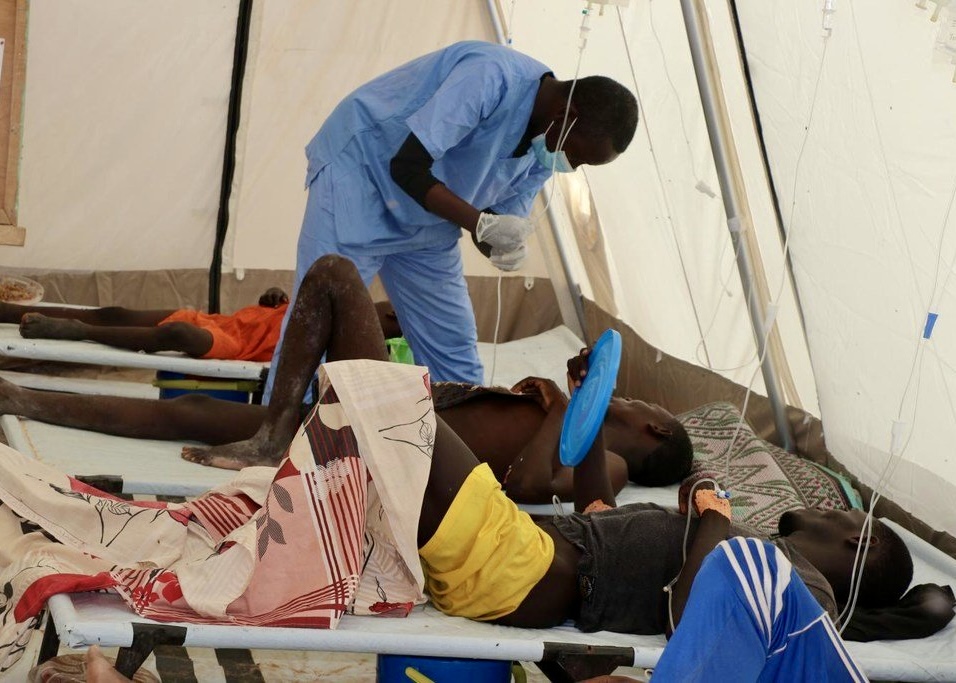
Cholera outbreak in N’Djamena: Chad’s capital faces rising death toll
Chad is grappling with a worsening cholera crisis, with 320 confirmed cases and 15 deaths reported as of August 8. The situation has deteriorated rapidly, with 52 new infections detected in just three days. While the capital N’Djamena accounts for fewer cases than other regions, it has recorded the highest fatality rate—8 deaths out of 92 patients. Health authorities have already administered over 143,000 vaccines in high-risk areas.
- health

As of early August, Chad has reported 320 cholera cases and 15 fatalities, with the outbreak spreading across three key regions: Hadjer-Lamis, Lac, and the capital city of N’Djamena. Within a 72-hour window, 52 additional infections emerged, pushing the national fatality rate to 4.7%—far exceeding the 1% threshold considered manageable under proper medical care. The outbreak has now been detected in 58 villages and neighborhoods spanning 12 active health zones.
Hadjer-Lamis remains the hardest-hit province, with Karal district alone accounting for 168 cases and 5 deaths (a 3% fatality rate). N’Djamena, while reporting fewer infections (92 cases), has experienced a disproportionately high death toll—8 fatalities translating to an alarming 8.7% fatality rate. In Lac province, particularly around Kangalom district, the disease has claimed 2 lives out of 60 confirmed cases, resulting in a 3.3% fatality rate. Laboratory tests further confirm active transmission, with 27 of 48 samples returning positive results (56%).
Young patients bear the brunt of the outbreak
Health data reveals a disturbing pattern: the median age of infected individuals is just 10 years old. A staggering 84% of patients arrive with moderate to severe dehydration—a critical complication of severe cholera. The national attack rate stands at 13.3 cases per 100,000 people, underscoring the rapid escalation of the crisis.
The emergency response hinges on a targeted vaccination campaign, which has already immunized 143,367 people (89.1% of the at-risk population). However, health teams face daunting challenges, including limited access to clean water, inadequate sanitation, open defecation, overcrowding, and frequent population movements. In Lac province, logistical hurdles further hinder disease tracking, public awareness, and medical interventions.
Health officials are urging the public to prioritize hygiene: frequent handwashing with soap and clean water, drinking only boiled or treated water, and seeking immediate medical attention at the first sign of severe diarrhea. Cholera, an acute intestinal infection, spreads primarily through contaminated food or water. Without prompt treatment, severe cases can lead to fatal dehydration within hours.