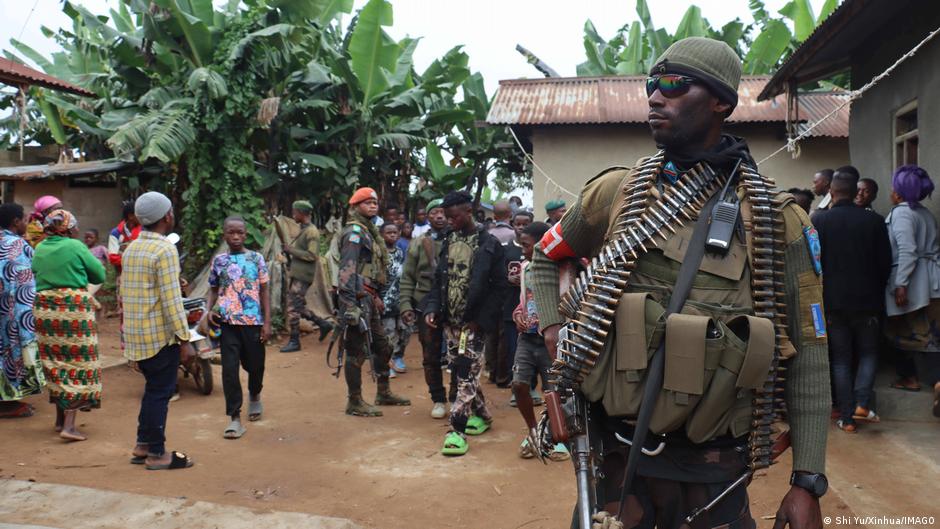
The Congolese Armed Forces have announced a sweeping ban on military personnel using smartphones during operations, citing security risks that have compromised previous missions in the country’s eastern regions. Commanders warn that unrestricted phone use exposes troops to real-time tracking by hostile forces, increasing the likelihood of ambushes and operational failures.
A mid-ranking officer, who requested anonymity, shared his perspective from the front lines in Uvira-Fizi, South Kivu. He admitted that while smartphones are essential for staying in touch with family amid the constant threat of combat, soldiers must prioritize operational security over personal communication when ordered to do so.
Securing troop movements through strict protocols
Interim FARDC spokesperson Lieutenant Colonel Mak Hazukay emphasized that even routine smartphone activity can inadvertently disclose troop locations, movements, or operational details. His statement urges soldiers to refrain from sharing sensitive information through calls, messages, or social media posts. The military also prohibits recording or broadcasting battlefield footage that could reveal tactical weaknesses.
Civil society leader Kelvin Bwija, coordinator of the Congolese Civil Society (Socico) in Uvira, welcomed the measure as a necessary step to curb internal betrayals. He noted that some personnel had previously used personal devices to communicate with hostile elements, compromising national security.
Balancing personal needs with national security
Human rights lawyer Aimé Bisimwa acknowledged the critical role smartphones play in daily life but stressed that soldiers must adhere to military regulations. He highlighted that service members voluntarily commit to the risks of combat and must accept temporary restrictions for the greater good. “Their primary duty is to protect the nation, even if it means sacrificing personal conveniences,” he stated.
Meanwhile, heavy fighting continues in the highlands of Mwenga and Fizi territories, South Kivu, where FARDC-Wazalendo forces face off against the AFC/M23–Twirwaneho rebel coalition, reportedly backed by Rwandan troops, supported by Burundian military units on the government side.