Constitutional Court Endorses Legal Path for Félix Tshisekedi’s Re-election Bid
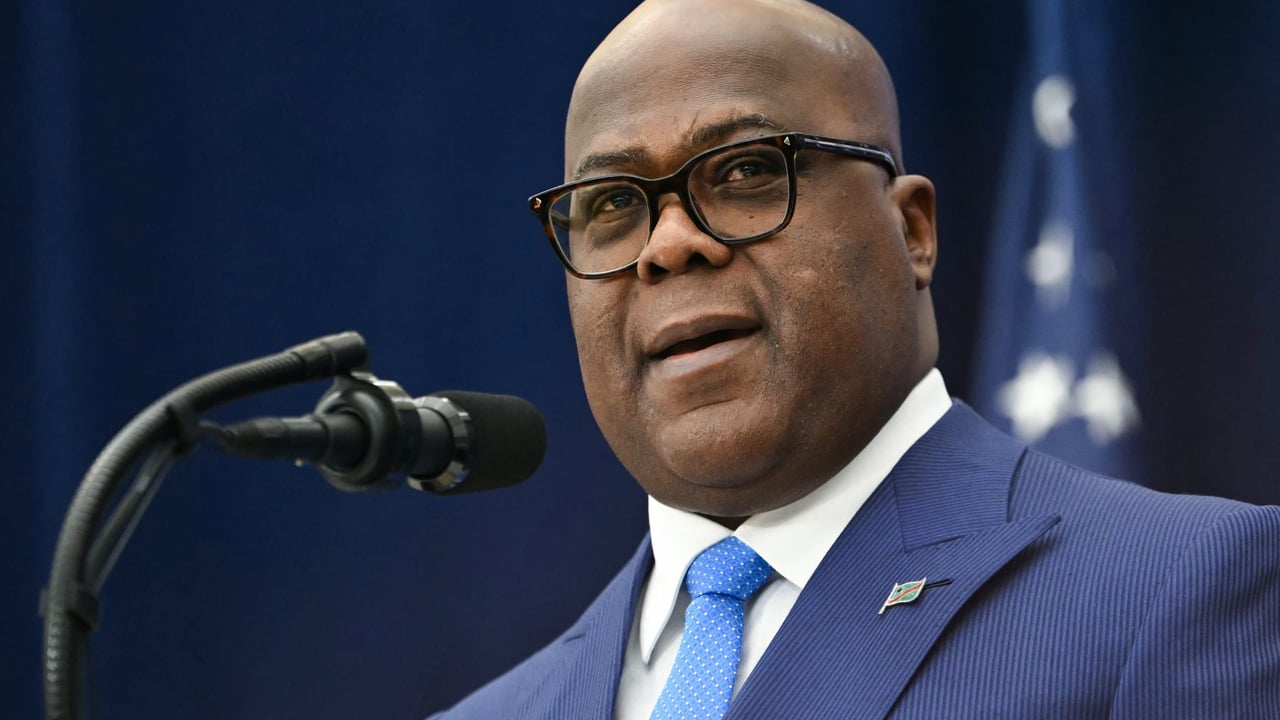
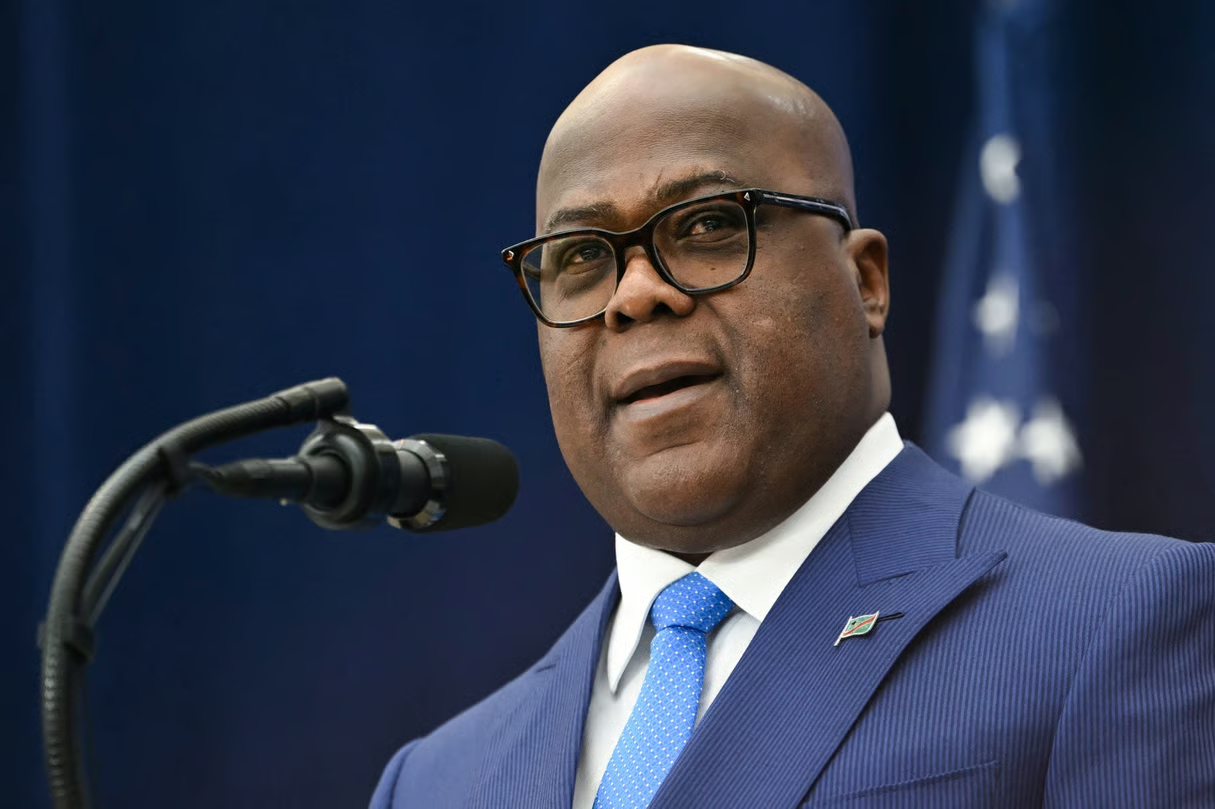
The Democratic Republic of Congo’s highest judicial body has delivered a landmark decision, affirming the constitutionality of legislation that removes presidential term limits, effectively enabling President Félix Tshisekedi to seek a third consecutive mandate.
The court’s ruling, issued late Thursday, clears the legal hurdles that had previously restricted the president to two terms in office. Analysts suggest this verdict paves the way for a contentious electoral process, with opposition figures and civil society groups already preparing to challenge the decision.
What the Ruling Entails
The constitutional amendment at the heart of the controversy eliminates the two-term cap that has governed Congolese presidential elections since the adoption of the 2006 constitution. Legal experts note that the revision was pushed through parliament earlier this year, sparking widespread debate over democratic norms and institutional integrity.
President Tshisekedi, who first took office in January 2019 following a contentious election, has not publicly commented on the ruling. However, his administration has consistently emphasized the need for stability and continuity in governance amid persistent security and economic challenges.
Reactions Across the Political Spectrum
Opposition leaders have condemned the court’s decision, labeling it a setback for democratic progress in the region. Some have vowed to mobilize public opposition, while others are exploring legal avenues to contest the amendment’s validity.
Civil society organizations have also weighed in, highlighting concerns over transparency and the potential for abuse of power. Critics argue that the removal of term limits undermines the checks and balances essential to a functioning democracy.
Regional Implications
This development comes at a time of heightened political activity across Central Africa, where multiple leaders have faced similar pressures to extend their time in office. Observers warn that the ruling could set a precedent, influencing constitutional debates in neighboring nations.
The Democratic Republic of Congo remains a pivotal player in the region, both politically and economically. The outcome of this legal and political saga will likely shape the country’s trajectory in the coming years, with implications for regional stability and governance standards.
What Happens Next?
With the legal framework now in place, attention turns to the electoral commission and civil society groups preparing for what promises to be a fiercely contested campaign. International observers will be closely monitoring the process to ensure compliance with democratic principles.
The next steps will reveal whether the constitutional court’s decision serves as a catalyst for unity or further polarization in a nation already grappling with deep socio-economic divides.