
As the leading power within the West African Economic and Monetary Union (UEMOA), Côte d’Ivoire is further cementing its regional dominance. This growth is fueled by a unique combination of a vibrant domestic market, state-of-the-art infrastructure, a world-class port system, and an investment capacity that significantly outstrips its neighbors. These metrics confirm Abidjan’s status as a premier economic hub on the continent.
A massive lead in public investment
With a staggering 4,195 billion FCFA dedicated to public investment, Côte d’Ivoire remains the fundamental engine of the UEMOA. This level of financial commitment places the nation far ahead of its regional peers, showcasing its ability to simultaneously manage massive projects in transportation, energy, urban planning, and infrastructure. Recent budgetary data highlights the scale of this effort; the Ivorian investment package alone is substantially larger than the combined totals of Mali, Burkina Faso, and Niger. These three nations of the Alliance of Sahel States (AES) have programmed approximately 2,100 billion FCFA in public investments, which is only about half of what Abidjan has mobilized on its own.
The Ivorian lead is just as striking when viewed across the entire community. Accounting for nearly 44% of all planned public investments in the UEMOA, Côte d’Ivoire centralizes a massive portion of the resources intended for regional economic advancement. Its budget is nearly triple that of Bénin, more than four times that of Sénégal, and many times larger than the investment capacity of Guinea-Bissau.
The pillars of financial strength
This financial prowess is rooted in the sheer scale of the Ivorian economy. Economist Nouvou Berté, an expert in political economy and international finance, suggests that this advantage stems from the size of the national market, robust tax revenues, and successful access to international financial markets. These tools allow the country to fund large-scale programs in sectors vital for economic structural change. When analyzed on a per-capita basis, the resource mobilization remains impressive. Côte d’Ivoire allocates roughly 116,500 FCFA in public investment per citizen, leading ahead of Togo and Bénin, and creating a visible gap with Sénégal, Mali, Burkina Faso, and Niger.
However, total volume is not the only measure of success. Some nations, such as Togo and Bénin, actually dedicate a higher percentage of their overall budgets to investment compared to Côte d’Ivoire. This nuance serves as a reminder that beyond the raw numbers, the efficiency of public spending is a critical factor. The true impact of roads, ports, universities, and power grids is only realized when projects are executed with precision to meet the economy’s actual demands.
Long-term growth and industrial transformation
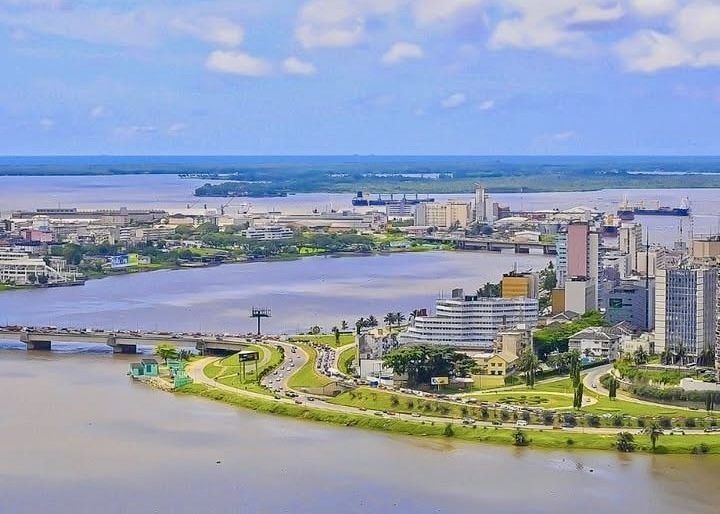
The medium and long-term outlooks reinforce the country’s dominant regional standing. Projections suggest a significant climb for Côte d’Ivoire in global economic rankings over the next fifteen years. Estimates indicate that the Ivorian Gross Domestic Product (GDP) could more than double by the year 2040. This optimistic forecast is supported by several key strengths: industrial transformation is accelerating, the agro-industry remains a cornerstone of the economy, and exports are increasingly diversified—anchored by cocoa, gold, and energy production. Furthermore, the Autonomous Port of Abidjan continues to be a vital artery for West African trade, strengthening the nation’s role as a regional logistics platform.
These indicators point to a clear reality: Côte d’Ivoire currently possesses the financial resources, infrastructure, and production capabilities to exert significantly more economic weight than its UEMOA neighbors. The current challenge lies in translating this economic might into lasting improvements for local businesses, job creation, and the general standard of living for its population.