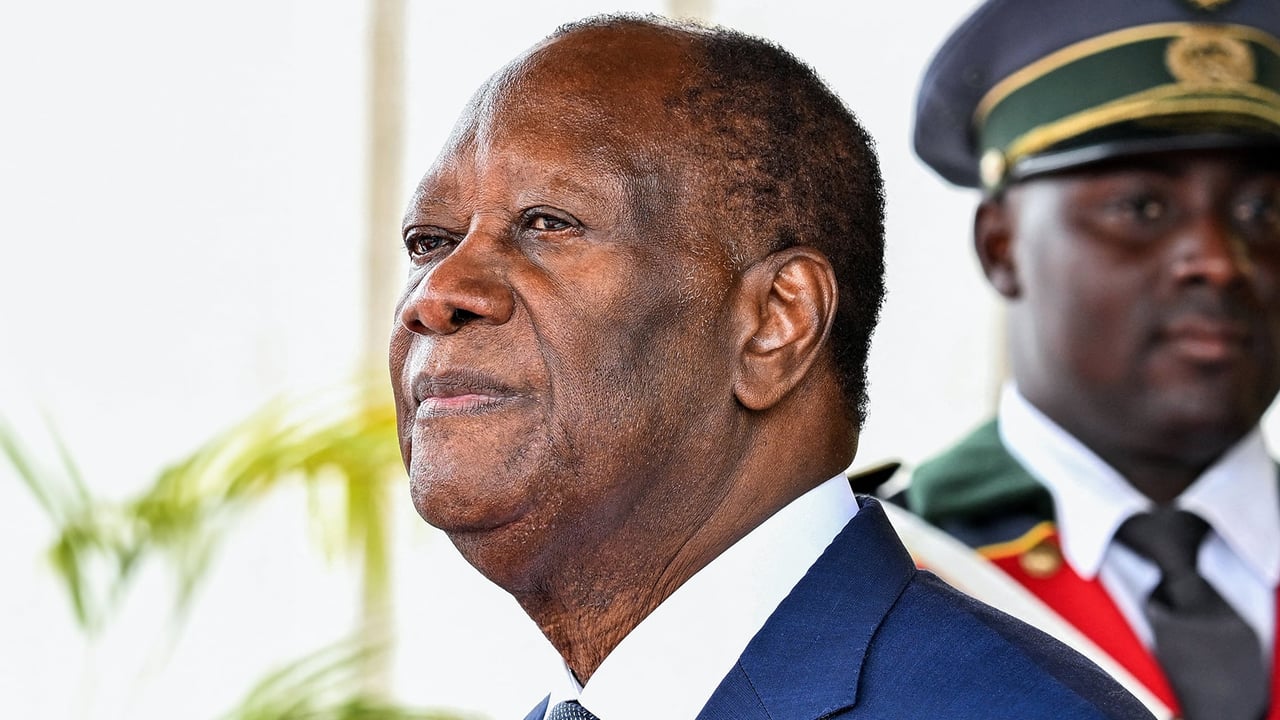
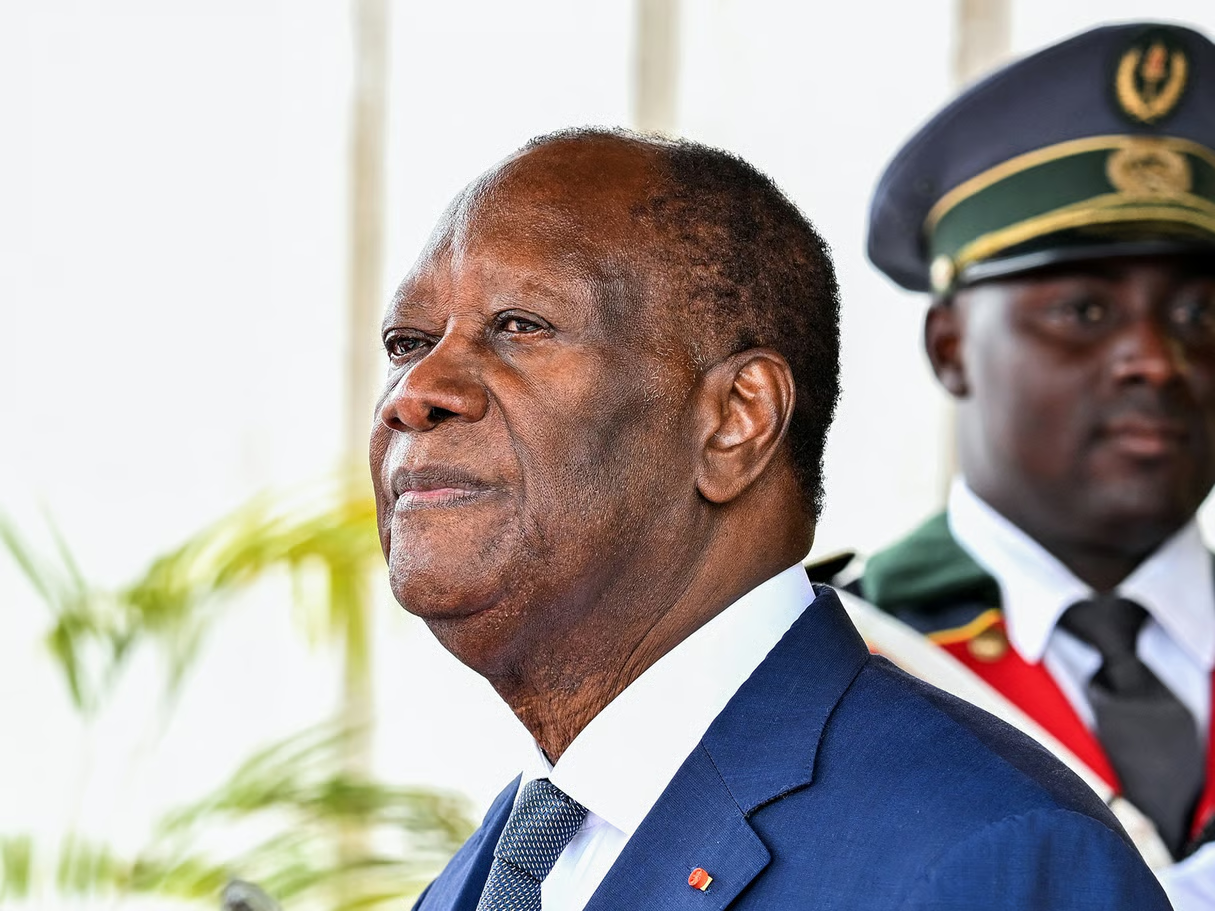
The Independent Electoral Commission (CEI) has long been a flashpoint in Côte d’Ivoire’s political landscape, repeatedly clashing with both the government and opposition factions. On May 6, the government announced its dissolution through spokesperson Amadou Coulibaly, declaring that «a new chapter is opening» with the stated goal of ensuring «sustainable, peaceful elections» in the country.
What’s behind the dissolution of the CEI?
The decision to dissolve the CEI comes after months of escalating tensions. Critics argue that the commission has failed to meet expectations in organizing transparent and inclusive elections, while supporters of the government view it as a necessary step to reset the electoral process. The move is seen as part of broader efforts to rebuild trust in the country’s democratic institutions ahead of future polls.
The dissolution follows a series of disputes over the commission’s composition, mandate and operational independence. Opposition leaders have repeatedly accused the government of manipulating the CEI to favor its own candidates, while the executive has defended its actions as essential reforms to improve electoral integrity.
How will the new commission be formed?
The government has indicated that a new electoral commission will be established, though details remain scarce. Reports suggest that consultations with political parties and civil society will take place to ensure broad representation. The goal is to create an inclusive body capable of overseeing credible elections and restoring public confidence in the process.
Key questions remain unanswered: Will the new commission be truly independent? How will its members be selected? And what safeguards will be put in place to prevent future disputes? These issues are critical to the success of the transition and the credibility of upcoming elections.
What are the political implications?
The dissolution of the CEI has sparked intense debate across Côte d’Ivoire’s political spectrum. Pro-government factions argue that the move is a bold reform to modernize the electoral system, while opposition leaders warn it could be used to sideline dissent and consolidate power. The situation has also raised concerns about potential unrest, particularly in regions where political tensions run high.
Analysts point out that the timing of the dissolution—so close to planned elections—could either stabilize the political environment or deepen divisions. The government’s ability to communicate its vision for the new commission and address concerns from all stakeholders will be crucial in determining the outcome.
What’s next for Côte d’Ivoire’s electoral future?
The dissolution of the CEI marks a turning point in Côte d’Ivoire’s political trajectory. While the government frames the move as a step toward democratic renewal, the opposition demands transparency and guarantees that the new commission will operate without bias. The international community, including regional bodies like the African Union, is closely monitoring the situation, urging all parties to prioritize dialogue and inclusivity.
As Côte d’Ivoire prepares for a new electoral chapter, the stakes could not be higher. The success of this transition will depend on whether the government can deliver on its promises of fairness and credibility—or whether the dissolution of the CEI becomes another chapter in the country’s ongoing political struggles.
With reporting by political analysts in Abidjan