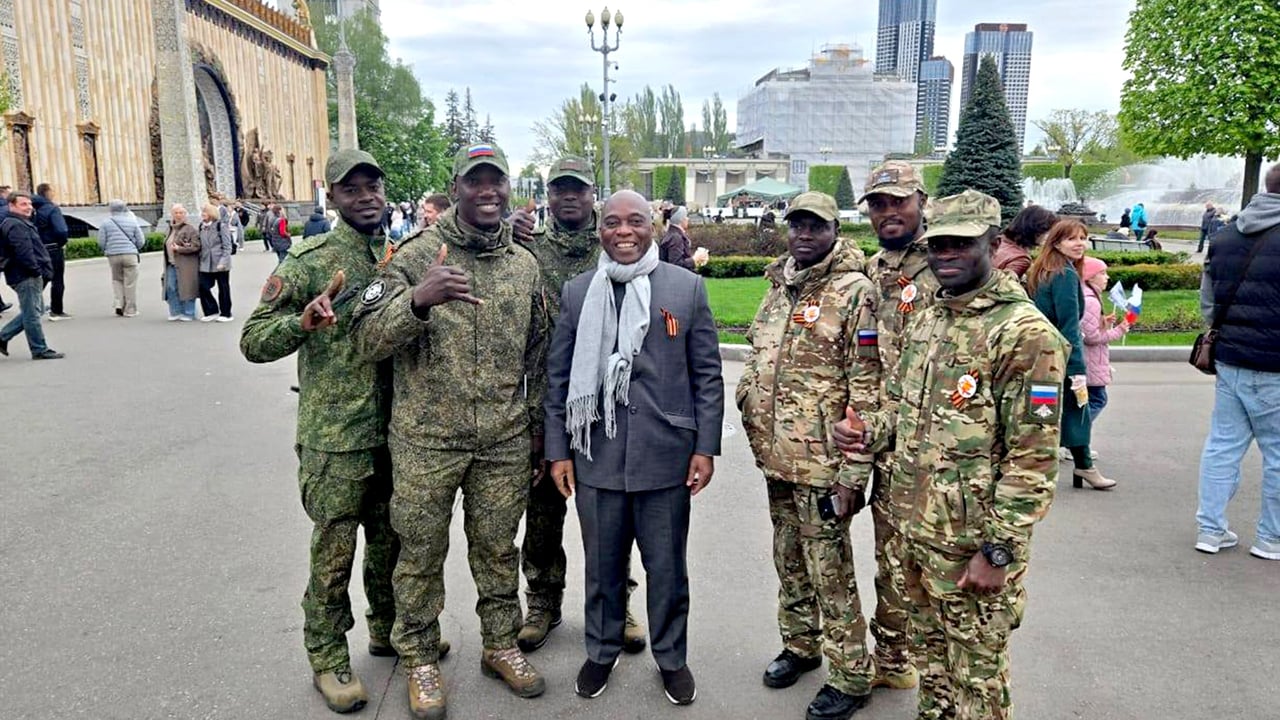

In a discreet yet significant diplomatic move, Côte d’Ivoire’s Minister of Foreign Affairs, Ahoua Don Mello, concluded a high-profile working visit to Moscow earlier this month. The trip, shrouded in confidentiality, unfolded against the backdrop of shifting geopolitical dynamics in West Africa and beyond.
The visit, which took place on May 11, 2026, saw the Ivorian diplomat engage in closed-door discussions with senior officials in the Russian capital. While the official agenda remains undisclosed, observers suggest the talks centered on bilateral cooperation, economic partnerships, and regional security—key pillars of Côte d’Ivoire’s evolving foreign policy.
Beyond the PPA: A strategic pivot in foreign relations
The timing of Ahoua Don Mello’s Moscow trip is particularly noteworthy. Just days earlier, Côte d’Ivoire’s opposition Patriotic Popular Front (PPA-CI) had raised concerns over the government’s diplomatic engagements, questioning their alignment with the party’s stance. Yet, the minister’s Moscow visit underscored a clear strategic direction—one that prioritizes diversification of international alliances and strengthening economic ties with non-traditional partners.
The Ivorian government has been steadily expanding its diplomatic footprint, seeking to reduce dependence on former colonial ties and explore new avenues for trade and investment. Moscow’s growing influence in Africa, particularly in energy and infrastructure sectors, presents an attractive opportunity for Abidjan to explore mutually beneficial collaborations.
Key takeaways from the Moscow visit
While no formal agreements were announced during the visit, several key themes emerged from the discussions:
- Energy cooperation: Potential partnerships in oil, gas, and renewable energy sectors were explored, aligning with Côte d’Ivoire’s push for energy diversification.
- Trade expansion: Both sides examined ways to boost bilateral trade, with a focus on agricultural products, technology transfers, and industrial investments.
- Security collaboration: Regional stability in West Africa topped the agenda, with Moscow expressing willingness to support Côte d’Ivoire’s counterterrorism and peacekeeping initiatives.
- Cultural and educational exchanges: Initiatives to enhance people-to-people ties through scholarships, student exchanges, and cultural programs were discussed.
The visit also comes at a time when Côte d’Ivoire is recalibrating its foreign policy to navigate a complex global landscape. With traditional partners like France and the European Union facing scrutiny over their roles in the region, Abidjan appears keen to explore alternative partnerships that align with its long-term economic and security goals.
A new chapter in Ivorian diplomacy
For Ahoua Don Mello, the Moscow trip represents more than just a diplomatic engagement—it signals a bold step toward repositioning Côte d’Ivoire on the global stage. By engaging with a global power like Russia, the Ivorian government is sending a clear message: Abidjan is open to forging new alliances that serve its national interests.
The visit also highlights the growing assertiveness of Côte d’Ivoire in foreign affairs, as the country seeks to carve out a more independent and proactive role in international relations. Whether this strategic pivot will yield tangible benefits remains to be seen, but one thing is certain—the era of passive diplomacy in Abidjan is firmly in the rearview mirror.