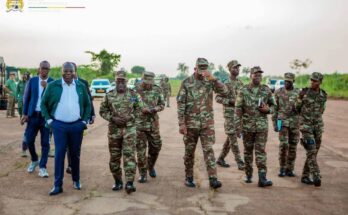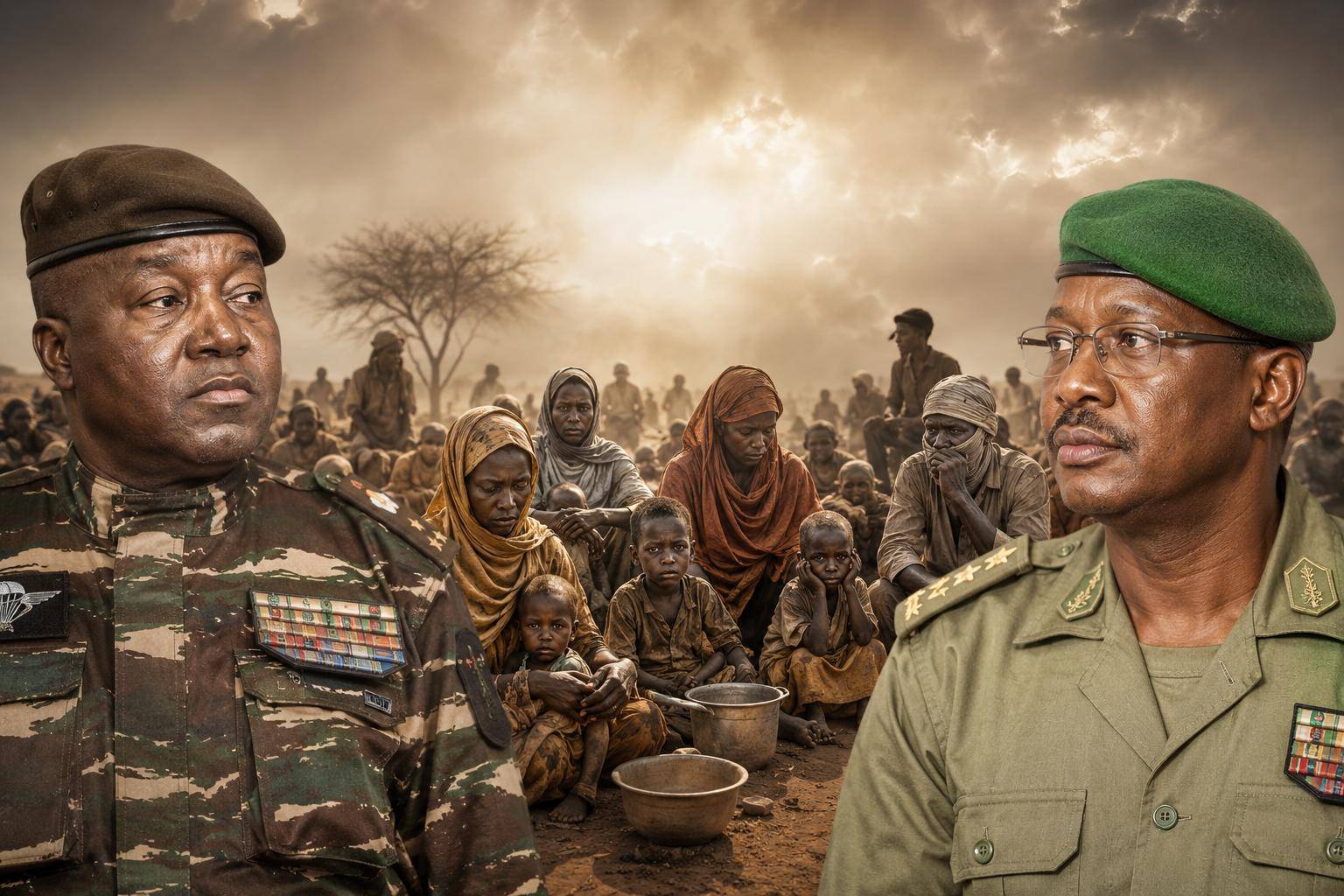
The Nigerien military command’s recent decision to split Operation Garkoi into two new tactical headquarters—Operation Akarasse along the Algerian border and Operation Klafoki along the Chadian border—has sparked intense debate among Sahel security analysts. While official statements emphasize efficiency and coordination, critics argue this move reflects bureaucratic bloat and an implicit admission of military weakness.
Financial folly amid social crisis
Observers highlight a stark contradiction: the creation of two parallel command structures demands additional high-ranking officers, detachment leaders, and a full administrative hierarchy. Critics condemn this restructuring as a political maneuver to distribute promotions and financial perks to military elites, all while Niger faces an unprecedented social crisis.
With the state preparing to fund two lavish headquarters in Bilma and Arlit, the plight of ordinary Nigeriens grows more desperate. The contrast is glaring in sectors like education, where thousands of contract teachers remain unpaid for months, forced into extreme precarity. Redirecting public funds to sustain new military command centers—rather than paying essential civil servants or supporting struggling families—is seen as a reckless misuse of resources.
Military overstretch: A sign of desperation
Beyond financial concerns, this reorganization reveals a harsh reality: Niger’s army is stretched thin by relentless attacks from armed groups. If security were under control, the existing structure would suffice. The need to split forces into two specialized, simultaneous fronts signals that pressure from terrorist factions—including Al-Qaeda, ISIS, and Boko Haram—has overwhelmed centralized command.
This fragmentation underscores a troubling trend: the military is being forced to spread itself dangerously thin to address crises at opposite ends of the country, confirming the deepening and intensifying security threats along all borders. Ultimately, the launch of Operations Akarasse and Klafoki appears less like a strategic offensive and more like an emergency response—costly for taxpayers, devastating for a hungry population, and a stark indicator of a security quagmire.