Dakar 2026 gears up for youth olympic games with global spotlight
As the Senegal capital races against time to finalize preparations for the upcoming Youth Olympic Games (YOG) in Dakar, the nation finds itself under both intense pressure and proud expectations. Scheduled for October 31 to November 13, 2026, this historic event marks the first Olympic competition ever hosted on African soil. Originally slated for 2022, the Games were postponed due to the COVID-19 pandemic, adding an extra layer of challenge to the already ambitious timeline.
a continental first with high stakes
The Dakar 2026 YOG will welcome 2,700 young athletes under 17 years old from around the globe, competing across 25 sports with a total of 153 events—including 73 men’s, 73 women’s, and 7 mixed competitions. Beyond the sporting spectacle, the Games represent a pivotal moment for Africa and Senegal to showcase their capacity to organize world-class events and drive sustainable development through sport.
Speaking on the significance, Ahmadou Al-Aminou Lo, Minister of State overseeing Senegal’s 2050 Transformation Agenda and head of the YOG Monitoring Committee, emphasized the dual responsibility: “It’s not just about delivering a successful event—it’s about proving that Africa can host global sporting spectacles while leaving a lasting legacy for our youth.”
partnerships and expertise from Paris 2024
To ensure seamless execution, Senegal has forged a strategic alliance with France, leveraging lessons learned from the Paris 2024 Olympics. The partnership, formalized through the Alliance Dioko agreement signed in 2019, has seen 30 experts from Paris 2024 integrated into the Dakar 2026 team. Additionally, 419 Senegalese volunteers have undergone training via the Learning Academy program, gaining expertise in event management and facility operations.
Christine Fages, French Ambassador to Senegal, highlighted the collaboration’s impact: “Organizing Paris 2024 allowed us to witness the unifying power of such events. Our partnership with Senegal extends beyond logistics—it’s about sharing best practices in security, volunteer coordination, and infrastructure management.”
Financial support has been equally critical. A €80 million sovereign loan from France’s AFD (Agency for Development) has funded the renovation of key venues like the Iba Mar Diop Stadium and the Tour de l’Œuf Complex, which includes the new Olympic pool. Twelve additional local sports facilities are also being upgraded to ensure broader community access post-Games.
infrastructure upgrades and sustainability goals
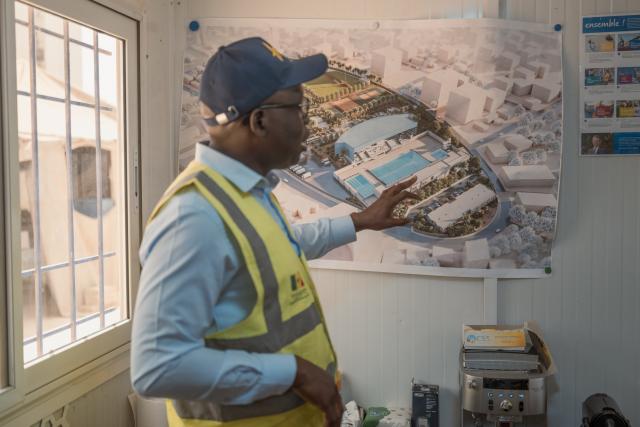
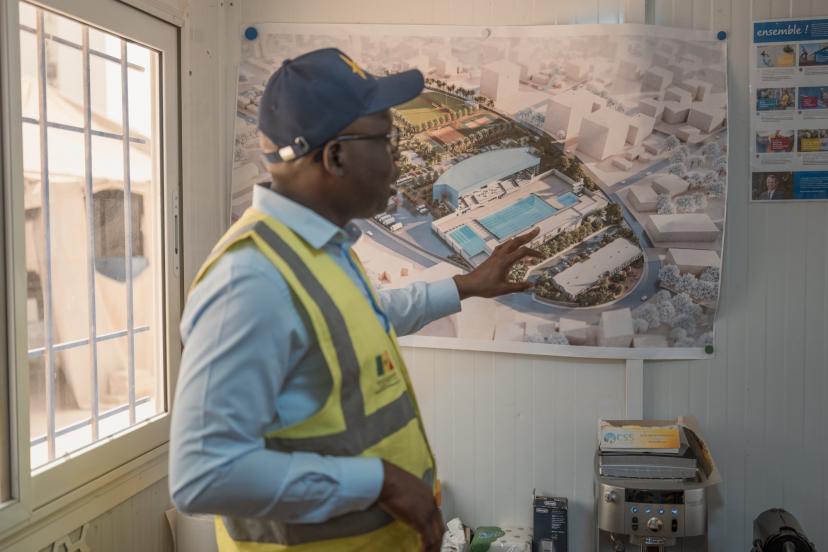
The Tour de l’Œuf Complex in Dakar’s Point E district is a focal point of the preparations. Currently under renovation by Sogea-Satom (a subsidiary of Vinci), the site will host aquatics, basketball 3×3, baseball, breaking, and skateboarding events. With over 450 workers on-site daily, the project aims for a soft launch by mid-May, culminating in full handover to organizers on August 15—just two and a half months before the Games begin.
Sustainability is a cornerstone of the Dakar 2026 vision. The Olympic pool incorporates water and energy-saving technologies, while post-event plans include converting the complex into multi-sport recreational spaces for football, basketball, handball, and tennis. The government has also prioritized cleanliness, with Minister Lo declaring: “Our first medal will be for cleanliness. We’ve adopted Kigali’s model—Rwanda’s capital ranked as Africa’s cleanest city in 2025—to ensure Dakar shines in every aspect.”
legacy and long-term vision for Senegal
Beyond the Games, Senegal aims to harness the Olympics as a catalyst for its Senegal 2050 agenda. With over 50% of the population under 19, the government seeks to double the sport industry’s contribution to GDP (currently €15 million) by fostering MICE tourism (Meetings, Incentives, Conferences, and Exhibitions) and developing high-performance training centers.
- youth development: creation of sport-study excellence hubs to nurture future champions.
- economic growth: positioning Dakar as a regional hub for sports tourism and business events.
- sustainable infrastructure: ensuring all venues serve local communities beyond 2026.
challenges and the road ahead
Despite progress, challenges remain. With deadlines looming, the Monitoring Committee meets bi-monthly to address bottlenecks and ensure all stakeholders—from government agencies to local organizers—align with the timeline. The pressure is palpable, but so is the determination. As Lo puts it: “This is about more than medals. It’s about redefining Africa’s place on the global stage and inspiring a generation.”
As Dakar 2026 approaches, the world watches, ready to applaud not just the athletes, but the continent’s growing prowess in delivering world-class sporting events.