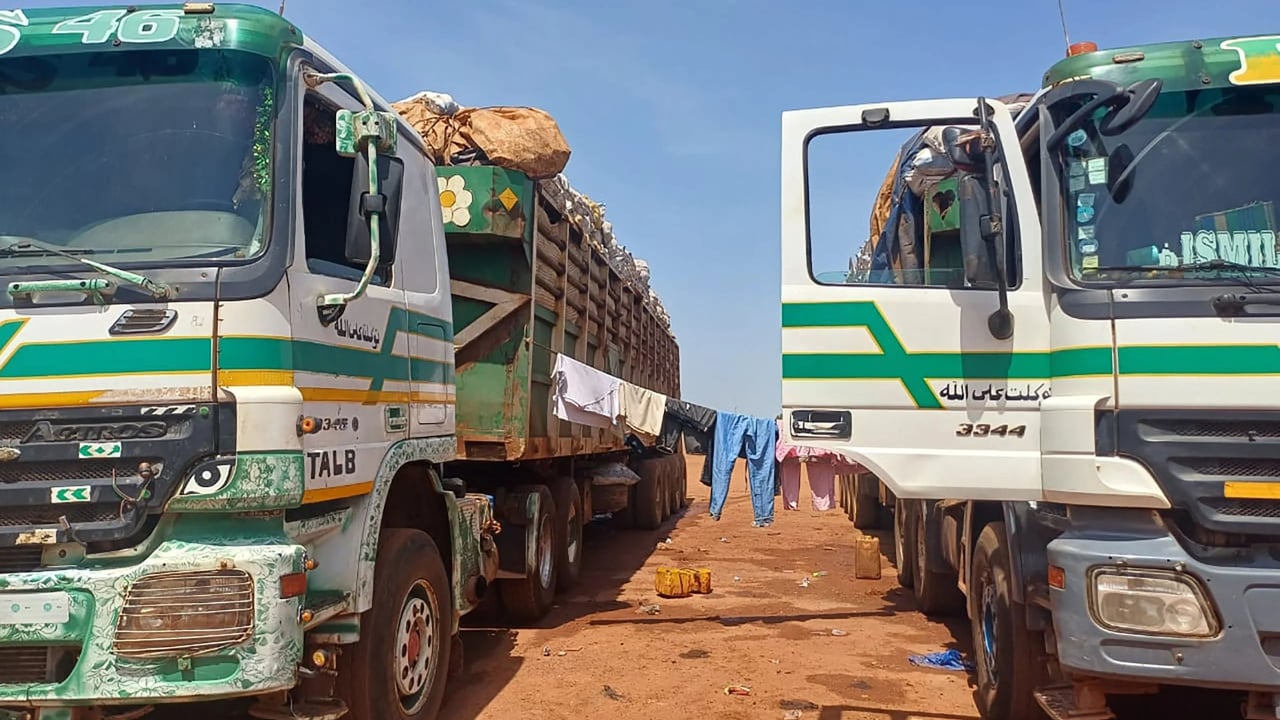

Commercial traffic between Senegal and Mali has come to a standstill following escalating security measures along the Dakar-Bamako route. The disruption, centered near the border town of Kidira, has left transporters stranded and supply chains in flux.
Drivers and logistics operators report that authorities have tightened controls, citing concerns over regional instability. The move has triggered delays for goods moving between West Africa’s two largest economies, with long queues of trucks accumulating on both sides of the frontier.
why the border crossing is now inaccessible
The sudden halt in cross-border movement stems from heightened vigilance by Senegalese and Malian security forces. While no official statements have been released, local observers point to the presence of armed groups operating near transit zones as a key factor behind the restrictions.
Transporters describe chaotic scenes at checkpoints, where clearance procedures now require additional documentation and inspections. Some drivers have been turned away entirely, exacerbating delays for perishable goods and commercial shipments.
impact on trade and regional supply chains
The blockade is disrupting critical trade flows, particularly for agricultural products and manufactured goods moving between Dakar and Bamako. Businesses reliant on this corridor are scrambling to adjust, with some rerouting shipments through alternative paths that add time and cost to deliveries.
Industry analysts warn that prolonged disruptions could strain food security in landlocked Mali, which depends heavily on imports via Senegal. Meanwhile, Senegalese exporters face mounting pressure as cargo sits idle at border posts.
The situation underscores the fragility of West African supply chains amid shifting security dynamics. For now, transporters and traders are left navigating uncertainty as negotiations continue behind closed doors.