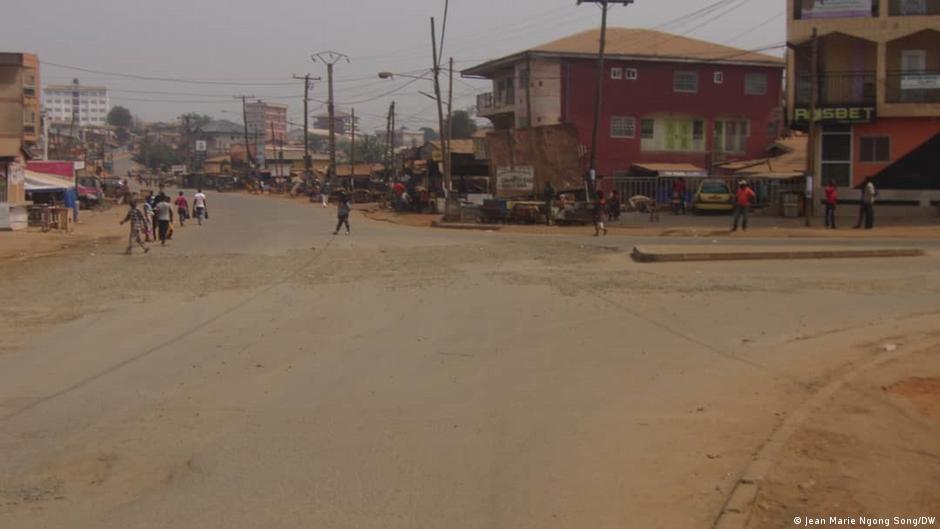
The national road 5 in Cameroun — a vital economic artery connecting Douala to Bafoussam and Bamenda — has become a symbol of neglect. Once a smooth transit route, it now stands as a testament to the country’s crumbling infrastructure, with accident rates climbing to alarming levels.
Decades of heavy truck and bus traffic, coupled with chronic underfunding and increasingly severe weather patterns, have pushed this crucial corridor to the brink. Flash floods erode the asphalt, deep potholes swallow vehicles whole, and landslides threaten lives at every turn.
A journey through danger and delay
Traveling from Douala to Bafoussam today is no longer a straightforward trip. Once completed in under four hours, the 250-kilometer stretch now demands grueling 10-hour detours, as drivers navigate submerged roadways and gaping craters. Passengers endure a torturous ordeal, their bodies aching from hours of jolting, swerving motion.
A young woman, Alice, shared her harrowing experience during a recent crossing: « We left Bafoussam 14 hours ago, and this road is completely impassable in the Haut-Nkam area. We had to take a detour through Yaoundé, then turn off at Bagangté to rejoin the Douala route. We’re exhausted and in pain—every bone in our bodies aches. »
The deadly triangle of despair
The region’s rugged terrain, combined with relentless rainfall, has turned the Douala-Yaoundé-Bafoussam corridor into what locals call the Triangle of Death. The collapse of a cliff near Dschang in November 2024 — burying buses and cars under tons of earth and killing 14 people — exposed just how fragile this lifeline has become.
Reports indicate that nearly 100 lives are lost monthly along this stretch. Travelers arrive at their destinations not with relief, but with deep trauma. One anonymous commuter confessed: « I arrived in Bafoussam at 2 a.m. after a nightmare journey. If agencies rerouted us via National Road 3 to Yaoundé, then took Road 6, even at double the fare, it would be safer than enduring 10 or 11 hours on this broken road—only to arrive as wrecks. »
Broken promises and mounting frustration
The government has announced a costly rehabilitation plan valued at 180 billion CFA francs, but skepticism runs deep among those who endure the daily struggle. Mika Séma, a bus operator, voiced the frustration of countless drivers: « We pay tolls expecting well-maintained roads. But when the road is a disaster, why should we keep paying? The state must act—this route must be fixed once and for all. »
With each passing rainy season growing more violent, the Douala-Bafoussam road remains a ticking time bomb. Without urgent, large-scale intervention, it will continue to claim lives, cripple commerce, and deepen the hardship of millions who depend on this vital link.