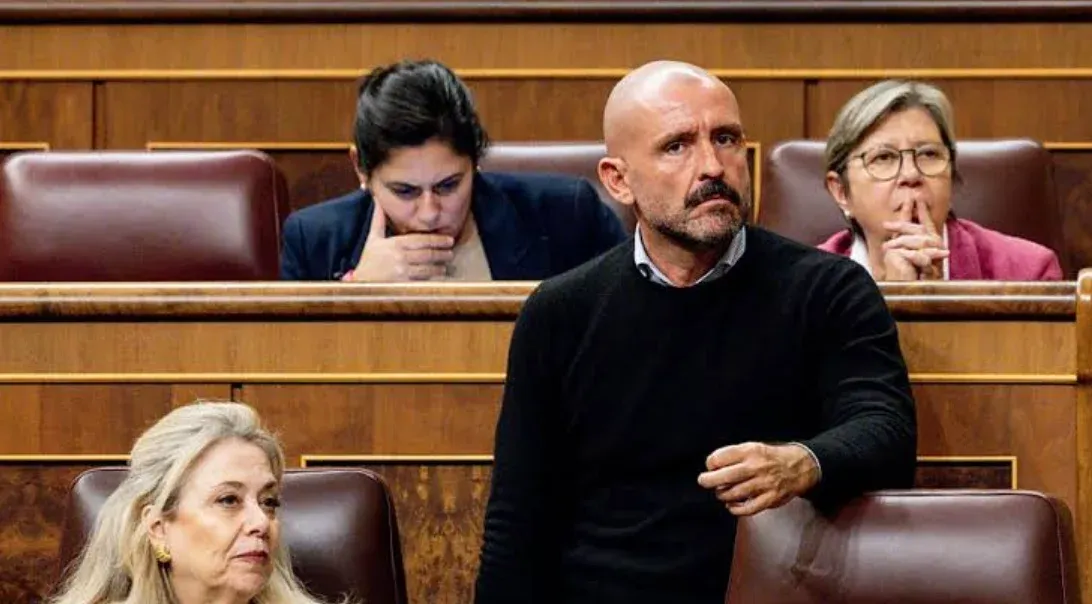
Spain demands Morocco’s ambassador explains controversial remarks on Ceuta and Melilla
Tensions escalate in Madrid as the controversial statements by Morocco’s Justice Minister, Abdellatif Ouahbi, regarding Ceuta and Melilla continue to spark heated political debates in Spain.
Updated
August 14, 2026 | 2 min read
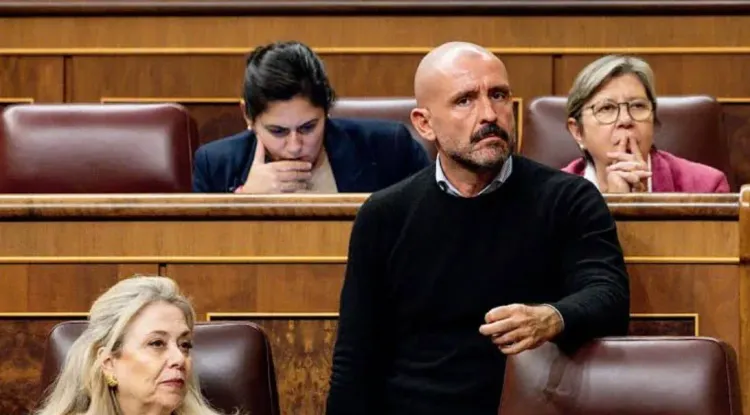
Jaime de los Santos
During a recent interview with Asharq Bloomberg, Mr. Ouahbi reiterated Morocco’s stance that Ceuta and Melilla are Moroccan cities and remain a subject of negotiation with Madrid. He framed the discussion within a dialogue-based approach, emphasizing patience as a key strategy. He also criticized Spain’s handling of the late July migration crisis, particularly regarding the return of unaccompanied Moroccan minors, and made it clear that Morocco cannot serve as Europe’s migration police.
In response, Spain’s ruling party, the People’s Party (PP), has taken a firm stance. On August 13, 2026, PP leaders demanded that the government of Pedro Sánchez summon Morocco’s ambassador for immediate official consultations. The move follows Rabat’s reaffirmed position on the two enclaves and the recent surge in migration at the Ceuta border.
Jaime de los Santos, a PP deputy in Barcelona, questioned the government’s inconsistency. He pointed out that Madrid had swiftly summoned Italy’s ambassador earlier this summer after Rome suspended its Schengen agreement—raising the question of why a similar response had not been applied to Morocco, despite the mass migration incident and Ouahbi’s remarks on Spanish sovereignty over the cities.
The PP’s demands extend beyond the ambassador’s summoning. The party has also submitted written questions to the Congress of Deputies, pressing Justice Minister Félix Bolaños to explain recent communications with his Moroccan counterpart and outline the government’s response to Ouahbi’s comments regarding the status of the two enclaves.
Another concern raised by the conservative party is the alleged threat by Morocco to suspend the extradition treaty between Rabat and Madrid—a treaty the PP considers vital for facilitating the return of individuals crossing the border barrier.
The diplomatic tug-of-war shows no signs of resolution, with opposition forces in Spain using the issue as leverage against the Sánchez government, while the administration has yet to adopt the firm stance demanded by the right.