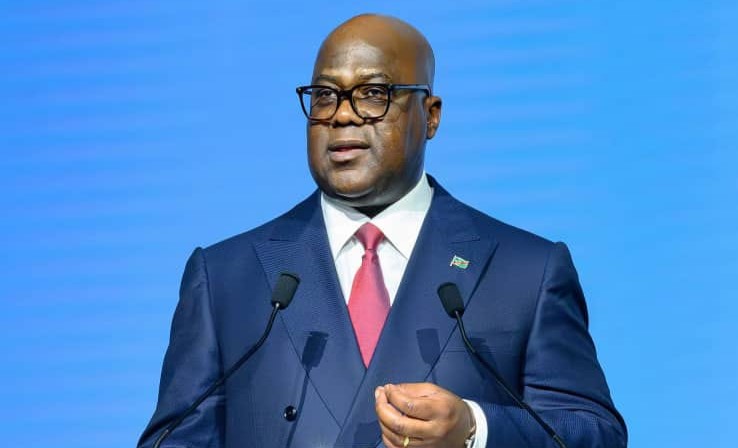
Addressing heads of state, water experts, and development partners in Chad’s capital, the Democratic Republic of Congo’s President outlined his nation’s vast untapped water resources. Yet he stressed that these resources must translate into tangible benefits for ordinary citizens.
Ambitious 2035 targets for water and sanitation
The DRC is committing to raising potable water access to 60% nationwide by 2035. Complementing this goal, authorities aim to ensure 50% of the population has proper sanitation and hygiene services within the same timeframe. These priorities aim to curb waterborne diseases and elevate living standards across the country.
Beyond household access, Kinshasa has set even higher benchmarks for public institutions. By 2035, 80% of schools and healthcare facilities must have reliable water, sanitation, and hygiene infrastructure. This push targets some of society’s most vulnerable groups, including students and patients.
« Ensuring adequate water, sanitation, and hygiene in 80% of schools and health centers is a top priority. These settings are particularly exposed and demand urgent attention, » the President emphasized.
Collaborative funding strategy to close infrastructure gaps
Achieving these milestones will require coordinated action. The government plans to leverage public funding, private investment, and international partnerships to bridge critical infrastructure deficits. A multi-stakeholder approach is seen as essential to turn policy into progress.
Five pillars to reshape Africa’s water sector
The Congolese leader proposed a five-point framework to tackle continental water challenges:
- Policy integration: Aligning national strategies with regional water security goals.
- Stronger governance: Building high-performance institutions with clear accountability and transparent management of water assets.
- Project readiness: Developing technically sound and financially viable projects to attract private capital.
- Local industry development: Producing essential water equipment domestically—pipes, pumps, meters, treatment systems, irrigation tools, and digital solutions—to cut import dependence.
- Strategic financing: Mobilizing funds through bankable, long-term infrastructure plans aligned with Africa’s water agenda.
The President underscored the need for Africa to build its own water industry. « We must manufacture pipes, pumps, meters, treatment equipment, irrigation systems, and digital solutions right here on our continent, » he stated. This shift would not only reduce reliance on foreign imports but also create jobs and spur industrial growth.
He called for rigorous project planning, with a focus on bankable initiatives that meet technical and financial standards. Such an approach, he argued, would unlock the capital needed to transform Africa’s water sector—delivering greater access, stronger governance, and a homegrown industry capable of supporting sustainable development.