drc opposition vows to challenge constitutional referendum law
The Constitutional Court’s validation of the referendum law has reignited fierce debates over potential constitutional changes in the Democratic Republic of the Congo. While the government frames the decision as a legal milestone, opposition groups warn of a dangerous constitutional drift and vow to escalate protests, raising concerns about rising political tensions.
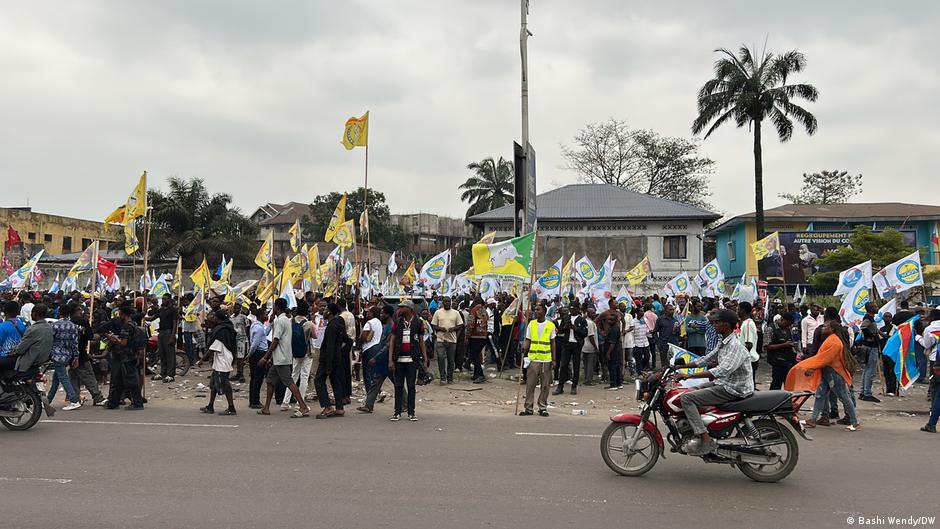
The coalition Article 64 stands firmly against the ruling, viewing it as a direct threat to democratic principles. A coalition spokesperson, Prince Epenge, has called on citizens to remain vigilant and united in their resistance.
“We will not back down. We will pool our strength and energy to ensure this law never takes effect in our country,” declared Prince Epenge.
“The people are enraged. They must remain standing, mobilized, and resolute in rejecting the third term and any attempt at division,” he added.
Kinshasa residents voice growing apprehension
As coalition leaders convened to strategize, residents in Kinshasa expressed deep unease about the potential for renewed unrest. Many fear street protests could disrupt daily life and escalate into violent confrontations.
“Will their methods of protest remain peaceful?” questioned one resident, emphasizing the need to avoid “loss of life.”
Another resident echoed these concerns, stating, “I worry that the political climate here could deteriorate further following this decision.”
“The one stirring chaos right now is the sitting government. They often deploy people to disrupt opposition marches,” alleged another resident.
A third resident expressed concern for the broader population, noting, “It is the people who will suffer when protests erupt.”
Political dialogue at risk
Timo Roujean, an analyst with the Konrad Adenauer Foundation, warns that fast-tracking the law could harden political stances. If President Félix Tshisekedi signs the legislation before August 15, it could derail ongoing dialogue efforts and embolden factions advocating confrontation.
“If the law is enacted before mid-August, the push for dialogue could collapse completely,” Roujean cautioned.
He stressed that in an already tense environment—where talk of a constitutional coup is circulating—the Constitutional Court’s decision may fuel arguments that armed resistance is the only way to oppose the government.
The Court’s ruling has not resolved the dispute. With the presidential camp now equipped with a legal framework and an opposition determined to block constitutional reforms, the coming weeks will be critical in shaping the DRC’s political future.