The Constitutional Court’s endorsement of the referendum law has reignited fierce debates across the Democratic Republic of the Congo, with opposition groups warning of escalating unrest. While authorities frame the decision as a procedural milestone, critics see it as a deliberate step toward constitutional amendments that could extend presidential terms.
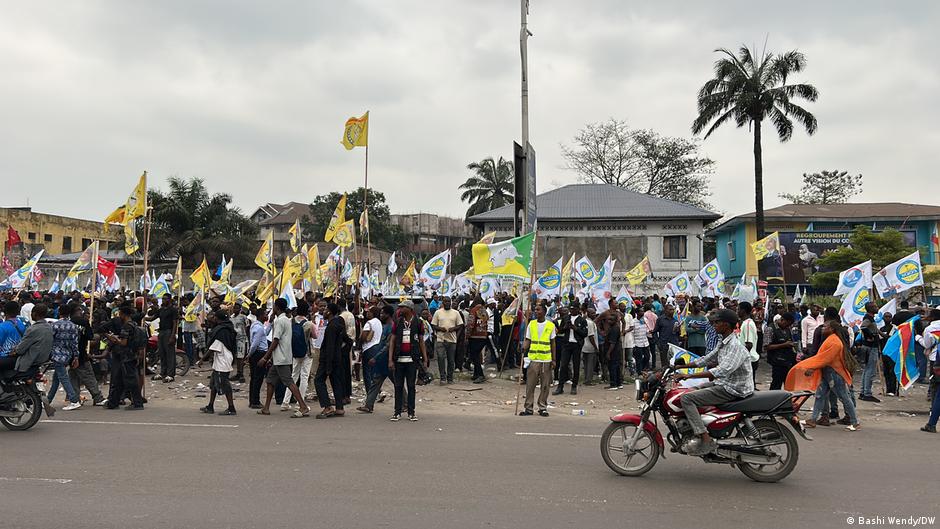
The coalition Article 64, a prominent opposition alliance, has dismissed the ruling as illegitimate and vowed to intensify resistance. Its spokesperson, Prince Epenge, urged citizens to remain vigilant, declaring, “We will not back down. We will mobilize every ounce of strength to ensure this law never takes effect in our nation.”
Epenge emphasized the public’s growing frustration, urging citizens to “stand firm, remain united, and reject any attempt at a third term or territorial fragmentation.”
Kinshasa residents voice growing unease
As opposition leaders convened to strategize, residents in the capital expressed deep concerns over the potential for renewed violence. Many questioned whether protests would remain peaceful, with one resident asking, “Can they demand change without bloodshed?” Another resident warned that the political climate in the DRC could spiral out of control following the court’s decision.
A third resident placed blame on the ruling power, stating, “Those sowing chaos today are the ones in power, often inciting violence to disrupt opposition marches.”
Others expressed fear for ordinary citizens, noting that “the real victims will be the people when protests erupt.”
Political dialogue at risk
Timo Roujean, a political analyst at the Konrad Adenauer Foundation, cautioned that an expedited signing of the law could poison the prospects for political reconciliation. He argued that if President Félix Tshisekedi ratifies the text before August 15, it would undermine ongoing dialogue efforts and embolden factions advocating confrontation.
Roujean warned that the court’s ruling could reinforce narratives of a “constitutional coup,” stating, “In an already tense environment, this decision risks validating the idea that armed resistance is the only viable opposition to government policies.”
The standoff between the presidency, which now has a legal framework, and an opposition refusing to accept constitutional reforms, leaves the coming weeks pivotal in shaping the country’s political future.