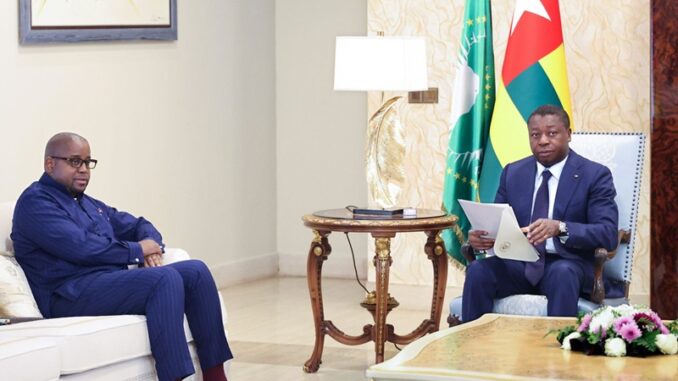
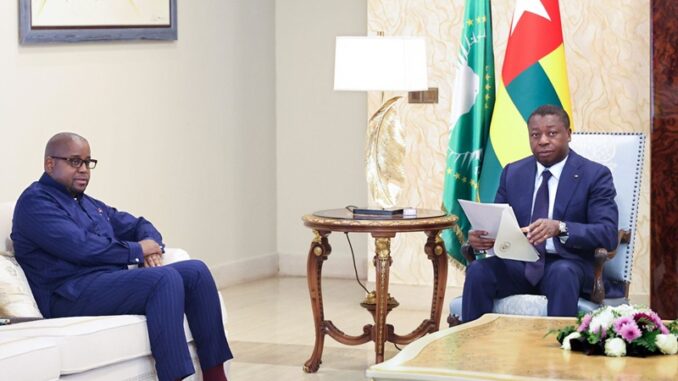
Why does Kinshasa keep returning to the same diplomatic channel? That question sits at the heart of the latest round of contact between Congolese President Félix-Antoine Tshisekedi Tshilombo and Togolese leader Faure Essozimna Gnassingbé, who has carried the African Union’s mediation mandate for eastern Democratic Republic of Congo since April 2025. On Tuesday, September 29, in Lomé, Gnassingbé received Floribert Anzuluni, the Congolese minister of regional integration, who arrived bearing another written message from Tshisekedi — a gesture that, on the surface, looks routine but which reveals how Kinshasa is hedging its bets across several peace tracks at once.
What the Lomé audience actually signals
Anzuluni did not hide the purpose of his mission. He told his host that he and his delegation had been dispatched to the Togolese head of state to hand over “a special message” from the Congolese president concerning “the peace process in eastern DRC” — the very file in which Gnassingbé serves as the African Union’s designated mediator.
The choice of messenger is itself telling. Sending a minister responsible for regional integration, rather than a foreign affairs official or a special envoy, frames the eastern crisis as a matter of cross-border and regional architecture — not simply a bilateral quarrel with armed groups.
The demobilisation briefing behind the letter
Beyond the formal handover, the Congolese envoys used the meeting to walk Gnassingbé through where Kinshasa believes it stands on the ground. Their briefing focused on progress in demobilising armed movements, which Congolese authorities present as a precondition for consolidating peace in the east — a region that has seen renewed war drums since late 2021.
That emphasis matters. By presenting demobilisation as an achievement in motion, Kinshasa is effectively arguing that the mediation should now shift toward locking in and monitoring those gains, rather than reopening fundamentals.
A mediator juggling competing peace tracks
Gnassingbé’s mandate is no small assignment. He inherited the African Union mediation role in April 2025, stepping in for the Angolan mediators, with a brief covering both the security crisis in eastern DRC and the wider Great Lakes region.
The obstacles are well known to anyone following the file. Securing a durable ceasefire and delivering long-term stabilisation across the Great Lakes remain the two hardest puzzles, and they have resisted solution for many months — even as parallel diplomatic efforts unfold in Doha under Qatari auspices and in Washington under American mediation.
Read together, these elements explain the recurring nature of Kinshasa’s written overtures to Lomé. The letters are not isolated gestures but part of a broader strategy: keeping the African Union channel warm, anchoring demobilisation gains in a continental framework, and ensuring that no single external mediation track holds a monopoly on the eastern DRC peace file.