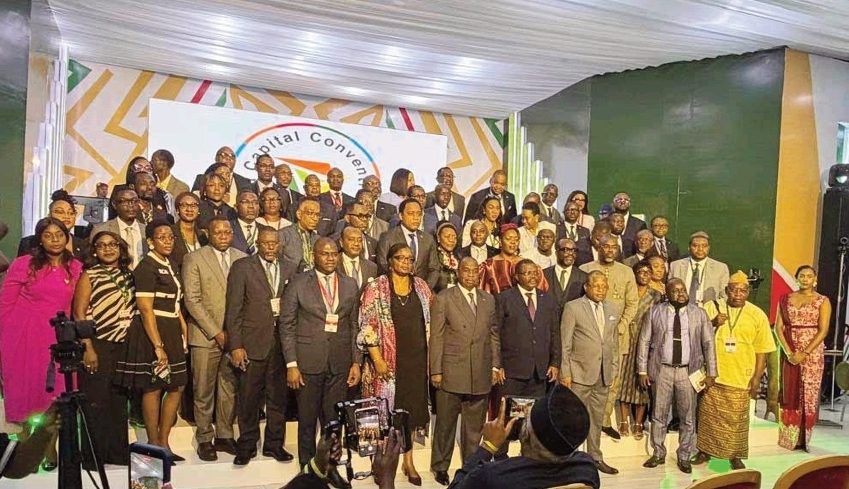
When Finance Minister Louis Paul Motazé took the podium in Douala on 24 September 2026 to open the first-ever Diamond Capital Convention, the subtext was unmistakable: Cameroon and the wider CEMAC bloc have the capital — what they lack is the machinery to channel it into factories, roads and power grids.
The Douala gathering brought together government officials, investors, financial institutions, corporates and market regulators under one roof, all grappling with a single question: how to make the region’s capital market pull its weight in financing the real economy.
Motazé’s message to the assembled financial ecosystem was direct — mobilise more capital, and make sure it lands where it can do the most good.
Why the push for deeper capital markets matters now
Behind the ministerial rhetoric lies a structural problem that has dogged the CEMAC zone for years. Savings exist. Projects exist. The bridge between them, however, remains rickety.
Motazé argued that a more liquid, more dynamic and more attractive financial market is no longer a luxury — it is the missing link for companies, infrastructure and the large-scale economic transformation projects that Cameroon and the Central African Economic and Monetary Community have on the drawing board.
The goal, he stressed, is to steer capital toward enterprises, infrastructure and growth-generating sectors.
The sectors in the crosshairs
Industrialisation, local processing of raw materials, infrastructure, energy and digital technologies top the list of targets. These are the sectors, according to the finance minister, capable of creating value, stimulating economic activity and generating jobs.
The logic is straightforward: if capital markets can be made to work, they become a lever for converting idle financial resources into productive investment — competitive businesses, modern infrastructure and employment.
Savings mobilisation: the other battle
For Motazé, deepening the capital market also means diversifying financing instruments and building stronger links between project promoters and the investors who hold the purse strings.
Creating more bridges between capital and transformative projects is central to that vision.
Trust, meanwhile, sits at the heart of the whole endeavour. Effective regulation, transparency, quality financial information, good governance and investor protection are the pillars on which a credible market must rest.
Mobilising savings is another critical challenge. An accessible and credible financial market, the argument goes, should gradually draw in economic actors and ordinary citizens alike to help finance productive activity.
What the Douala convention is meant to deliver
Participants at this inaugural Diamond Capital Convention are expected to come up with concrete solutions — ways to strengthen financing for both the Cameroonian and community economies, support productive investment and accompany economic transformation.
For Cameroon and CEMAC, the stakes are clear: turn the capital market into a genuine development lever by converting available financial resources into productive investments, infrastructure, competitive companies and jobs.