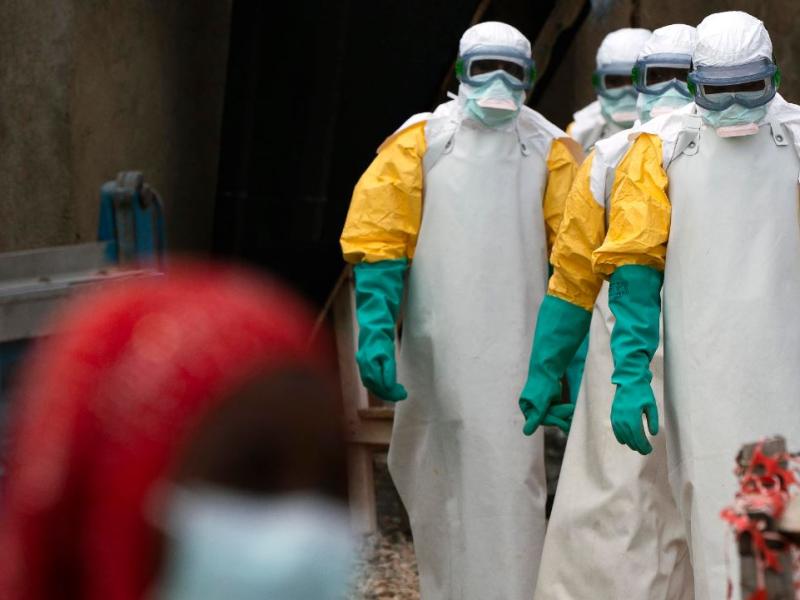
Ebola surge in eastern DRC: 515 confirmed cases, 91 deaths
The Ebola virus disease outbreak, caused by the Bundibugyo strain, continues to ravage eastern Democratic Republic of Congo (DRC). Health authorities report a total of 515 confirmed cases across the provinces of Ituri, North Kivu, and South Kivu as of the latest situational report.
Among these cases, 91 fatalities have been recorded, representing a case fatality rate of 17.7%. Currently, 283 patients remain in isolation or under medical care, while 12 recoveries have been documented since the outbreak’s inception.
In the past 24 hours alone, health teams have identified 27 new confirmed cases, signaling ongoing transmission despite containment efforts.
Ituri remains the epicenter of the epidemic
The Ituri province continues to bear the brunt of the outbreak, with 17 of its 36 health zones affected. Key hotspots include Aru, Aungba, Bambu, Bunia, Gety, Kilo, Komanda, Lita, Logo, Mambasa, Mangala, Mongbwalu, Nizi, Nyankunde, Rimba, and Rwampara.
The neighboring provinces of North Kivu and South Kivu are also grappling with active transmission. In North Kivu, the Katwa health zone remains a critical concern, reporting 11 confirmed cases and 8 deaths. Other affected areas include:
- Beni: 5 confirmed cases, 3 deaths
- Butembo: 4 confirmed cases, 2 deaths
- Miti-Murhesa: 3 confirmed cases, 1 death
- Oicha: 2 confirmed cases, 2 deaths
- Kalunguta: 1 confirmed case, 1 death
- Kyondo: 1 confirmed case, 0 deaths
- Goma: 1 confirmed case, 0 deaths
Challenges hampering the response
Health officials highlight several obstacles complicating the outbreak response. Persistent insecurity in parts of Ituri has hindered access to affected communities, while logistical challenges and misinformation continue to impede containment efforts. Rumors and denialism remain significant barriers to public health interventions.
The health ministry urges citizens to report suspected cases immediately and adhere to preventive measures to curb further spread. Authorities emphasize the need for sustained community engagement and cross-border collaboration to mitigate the impact of this deadly virus.