The security crisis in the eastern regions of the République démocratique du Congo remains the most pressing issue for the national legislature. During the formal conclusion of the recent parliamentary session, the focus remained squarely on the volatile situation in Nord-Kivu, Sud-Kivu, and Ituri, where civilian populations continue to bear the brunt of relentless armed conflict.
A national priority for the legislature
The National Assembly has expressed deep-seated anxiety regarding the ongoing violence. The legislative body highlighted that the blood of Congolese citizens continues to be shed due to external aggression and the actions of terror groups. Specifically, the activities of the AFC/M23 and the ADF were identified as primary drivers of the humanitarian catastrophe currently unfolding.
A formal tribute was paid to the FARDC and the Wazalendo (volunteer defense groups) for their tireless efforts to protect the territory. The message to the suffering residents of the eastern provinces was clear: the nation stands in solidarity with them and their plight is not forgotten.
A message to Kigali on regional stability
Addressing the root causes of the instability, the National Assembly issued a firm demand for the cessation of all hostilities and foreign interference. There is a resolute commitment to maintaining the territorial integrity of the RDC, with a clear warning that no part of the country will be surrendered to expansionist interests.
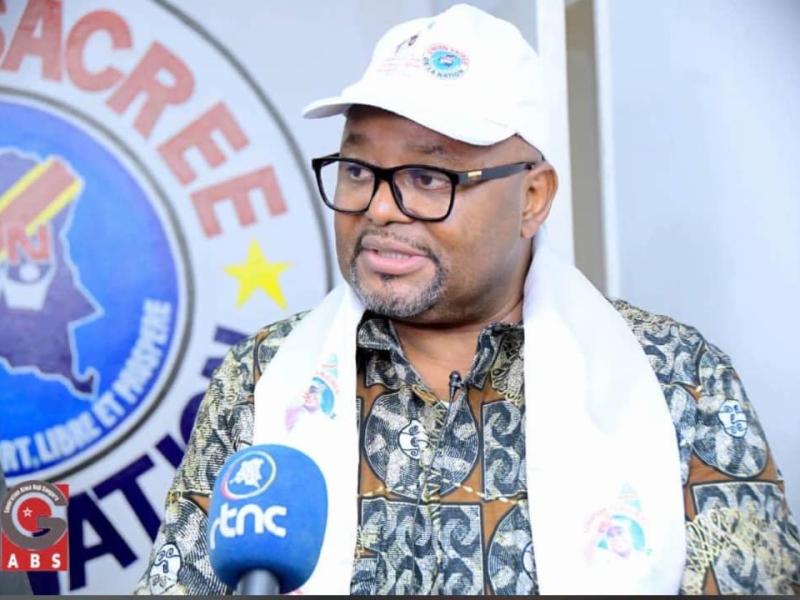
A direct appeal was made to Rwanda to reconsider its regional strategy and prioritize a sustainable peace. Aimé Boji Sangara noted that the two nations are geographically linked in a way that cannot be altered. He stressed that while war only serves to foster hatred that will burden future generations, a lasting peace would offer mutual benefits.
“The Rwanda must understand that geography condemns us to be neighbors for eternity,” he declared, urging an end to the destabilization and the exploitation of resources.
The gap between diplomacy and reality
Despite various international initiatives, including the Washington Accord and the Doha process supported by the Union africaine, the situation on the ground has not seen significant improvement. The humanitarian crisis is worsening, exacerbated by a decline in global funding for aid.
While diplomatic frameworks exist on paper, their implementation remains stalled by conflicting interpretations of the agreements. The disconnect between high-level negotiations and the daily reality for displaced families in the RDC remains a significant challenge for the region’s future.