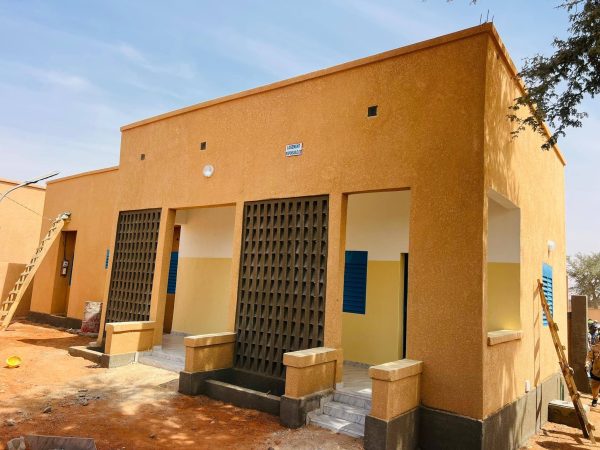
In Niger, the Maradi region is significantly improving its medical coverage through the PIDUREM initiative. The delivery of new Type II Integrated Health Centers (CSI) in Maradi and Tessaoua represents a major advancement in providing local medical services to both urban and suburban residents.
The availability of medical care in Niger’s economic hub and its surrounding areas is reaching a new milestone. Under the Integrated Urban Development and Multisectoral Resilience Project (PIDUREM), the Maradi region is benefiting from an extensive program dedicated to building and outfitting Type II Integrated Health Centers. This strategy is designed to alleviate the burden on regional hospitals while bringing modern technical facilities closer to the people.
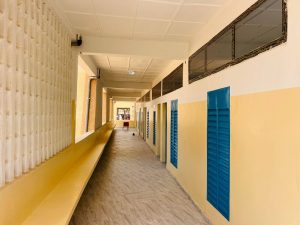
New medical facilities under strict institutional oversight
The implementation of this health network is already well underway. In the ADS neighborhood of Maradi’s 3rd district, a newly constructed building stands as a testament to modern infrastructure. Simultaneously, in Tessaoua, the Toudou district has also seen its facilities completed and officially transferred to health authorities. These initial centers, which underwent preliminary acceptance phases between March and October 2025, are now entering an active operational stage with the installation of state-of-the-art medical equipment.
“Bringing healthcare closer to the citizens is no longer just a commitment; it is a tangible reality integrated into the community,” noted a spokesperson from the Regional Directorate of Public Health.
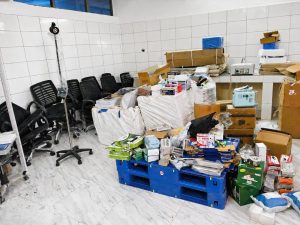
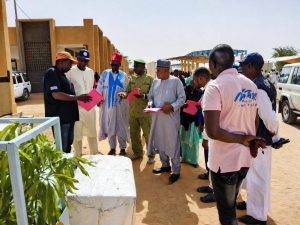
The project’s impact extends far beyond the physical structures. Authorities have coordinated the distribution of a significant stock of medical supplies and specialized Type II care equipment. This was carried out in the presence of the Regional Secretary General, the City’s Delegated Administrator, and the Regional Director of Public Health, highlighting strong institutional support. In Tessaoua, a third site in Tsamia Koura is currently being finalized. Equipment will be installed by the supplier immediately upon completion of the construction, ensuring rigorous technical follow-up.
For Niger, which is striving to meet the Sustainable Development Goals for health, the PIDUREM model serves as an important benchmark. By combining infrastructure construction with the simultaneous delivery of necessary tools, the project avoids the common pitfall of creating “empty shells” often seen in development policies. In Maradi, local healthcare appears to be gaining essential momentum.