Legal setback for Kemi Seba as South African court rejects bail
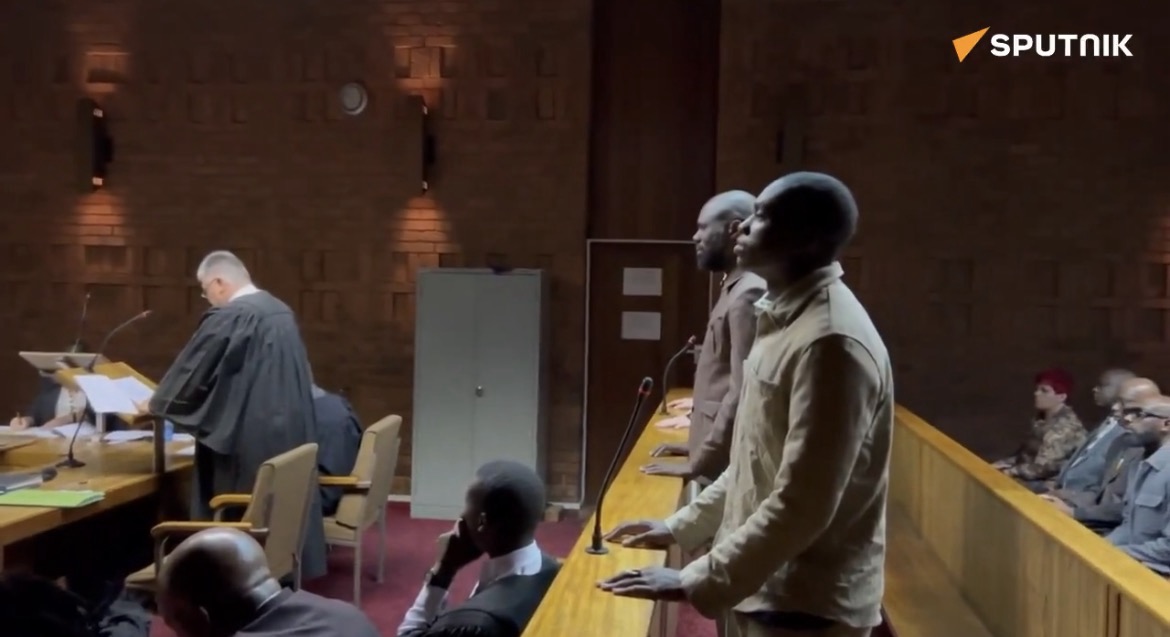
The Franco-Beninese activist Kemi Seba remains in detention following a decisive ruling by a South African court. On April 29, the Pretoria judiciary upheld its decision to maintain him in custody, dismissing all arguments presented by his legal team. The case hinges on two international arrest warrants issued by Benin and the disputed validity of a diplomatic passport, leaving Seba with dwindling legal options. The hearing concluded with a postponement of the proceedings until May 11.
Uncompromising judicial stance
Despite expectations of bail, the court ruled against the release of Stellio Gilles Robert Capo Chichi, known as Kemi Seba. The presiding judge cited the grave nature of the charges and the risk of flight as definitive factors. This decision underscores a stark contrast between Seba’s confrontational activism and the strict procedural rigor of South African law, marking a pivotal moment in his legal ordeal.
Diplomatic passport claim dismissed
The defense’s attempt to leverage a diplomatic passport as a shield against detention proved ineffective. The court clarified that such a document holds no automatic legal immunity without proper accreditation from South African authorities. Seba failed to provide an official mission order authorizing his presence in the country on behalf of a sovereign state. Consequently, the passport was deemed equivalent to a standard travel document, reinforcing the perception of a tactical maneuver rather than a legitimate defense.
Benin’s extradition demands loom large
The core of Seba’s predicament stems from his legal troubles in West Africa. Benin has vigorously pursued his extradition through two international arrest warrants, signaling a concerted effort to bring him to justice. The South African judiciary’s decision to prolong his detention aligns with a logical examination of these extradition requests, leaving Seba in an increasingly precarious position.
From activism to legal vulnerability
For years, Kemi Seba has cultivated an image as a political dissident, challenging governments across France and Africa. His strategy often relies on portraying himself as a victim of systemic oppression. However, the South African legal system appears impervious to such rhetoric. By prioritizing adherence to international conventions, Pretoria has underscored that provocative discourse cannot supersede the rule of law.
An uncertain legal future
The coming weeks will focus on evaluating the legitimacy of Benin’s extradition requests. Should the court deem the conditions met, Seba could face extradition to Cotonou. Deprived of his French nationality and consular protection after burning his passport, he is now devoid of diplomatic safeguards and freedom of movement. The April 29 hearing served as a stark reminder of the legal consequences of his actions.
The case has been further complicated by leaked audio recordings suggesting Seba’s alleged involvement in a destabilization plot targeting Benin. The recordings reportedly implicate him in plans to disrupt the country during the “Vodun Days” celebrations, purportedly at the cost of civilian lives. For the activist, the era of fiery speeches appears to have given way to the stark reality of a Pretoria prison cell.