Russia’s involvement in Mali’s security landscape—and more broadly across the Sahel—has intensified in recent years, drawing global attention amid shifting alliances and rising insurgent threats. As Bamako seeks alternative partners to address escalating violence, Moscow’s strategic footprint has grown, reshaping regional power dynamics.
Russia’s expanding influence in the Sahel through security partnerships
The West African nation of Mali has become a focal point of Russia’s expanding engagement in the Sahel, a vast semi-arid region stretching from the Atlantic Ocean to the Red Sea. Following the withdrawal of French and United Nations forces in 2022, Mali’s military leadership turned to Moscow for security support. This shift marked a turning point in the country’s foreign policy, prioritizing alliances with non-Western partners over traditional Western alliances.
Mali, Burkina Faso, and Niger later formalized their security cooperation by establishing the Alliance of Sahel States (AES) in 2023. The bloc emerged in response to deteriorating security conditions and growing dissatisfaction with regional economic bodies like ECOWAS, which had imposed sanctions following military coups in these nations. The AES signaled a collective move toward new partnerships, including those with Russia, positioning the bloc as a counterbalance to Western influence in the region.
From Wagner to Africa Corps: a shift in Russia’s military footprint
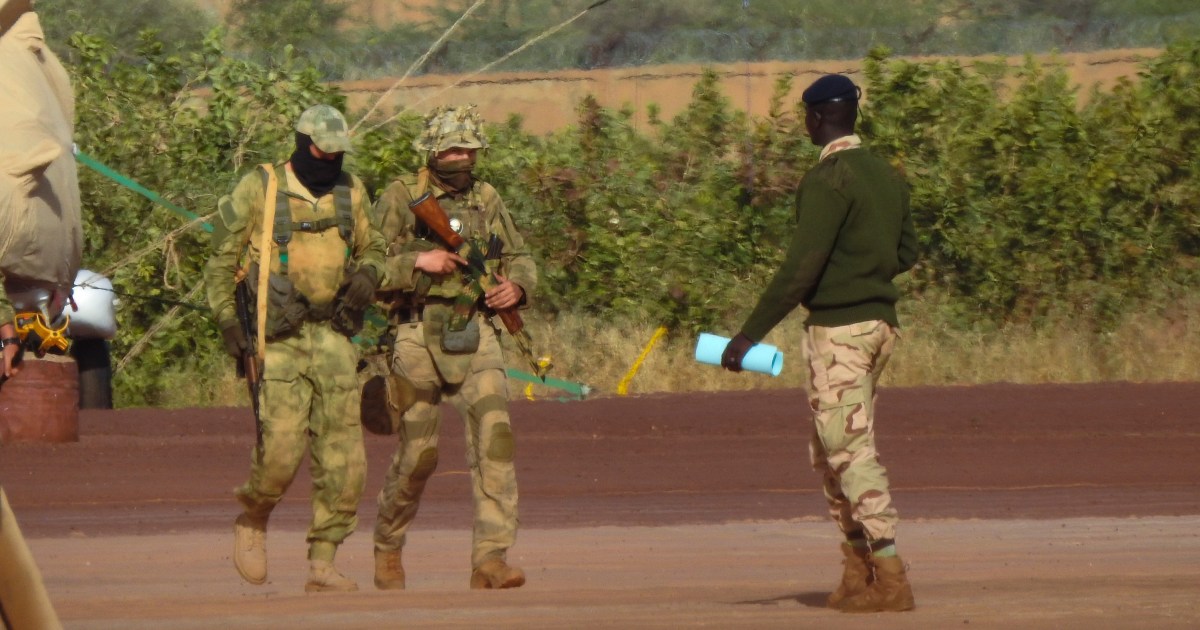
Russia’s security presence in Mali began under the Wagner Group, a private military company (PMC) with close ties to the Kremlin. Wagner fighters were deployed to Mali after Bamako requested the withdrawal of French troops, who had been stationed there since 2013 to combat Islamist insurgencies linked to al-Qaeda and ISIL.
However, following the death of Wagner’s founder, Yevgeny Prigozhin, in 2023, the group was officially integrated into the Russian Ministry of Defence as the Africa Corps. This transition marked a strategic shift from a decentralized mercenary model to a state-controlled military unit, aimed at enhancing operational legitimacy and coordination.
Analysts note that while the Africa Corps retained many Wagner fighters, its operational approach shifted significantly. Under Wagner, operations were characterized by aggressive tactics and high-risk engagements. In contrast, Africa Corps has adopted a more cautious, defensive posture—raising questions about its effectiveness in Mali’s volatile security environment.
Recent attacks expose vulnerabilities in Russian-backed security efforts
A coordinated offensive on April 26, 2026, involving Tuareg separatists from the Azawad Liberation Front (FLA) and the al-Qaeda-affiliated Jama’at Nusrat al Islam wal Muslimin (JNIM), targeted multiple cities across Mali, including Bamako, Kidal, Gao, and Sevare. The attacks resulted in significant losses for the Malian Armed Forces, including the death of Defence Minister Sadio Camara, who had been instrumental in forging the partnership with Russia.
In response, Russia’s Africa Corps provided air support and reportedly assisted in preventing rebel forces from capturing the presidential palace in Bamako. However, the group faced criticism after withdrawing from Kidal—a strategic northern city and former Tuareg stronghold—amid the offensive. The Africa Corps claimed the withdrawal was a joint decision with Malian authorities, though local officials and analysts have raised doubts about the timing and coordination of the move.
Reports suggest that Russian forces negotiated their exit with the mediation of neighboring Algeria, leaving behind equipment, including a drone station, in the process. The withdrawal has fueled speculation about Russia’s preparedness to defend Mali’s territorial integrity and its long-term commitment to the country’s security.
Questions arise over Russia’s effectiveness in the Sahel
The recent attacks have intensified scrutiny of Russia’s role in the Sahel, particularly its ability to support partner nations against escalating insurgent violence. While Wagner’s fighters were previously credited with helping regain control of Kidal in 2023, the April offensive highlighted the group’s limitations under its new Africa Corps structure.
Analysts argue that the Africa Corps’ defensive stance may reflect strategic caution rather than a lack of capability. However, the group’s withdrawal from Kidal—a symbolic stronghold—has raised concerns among Sahelian governments and observers about Russia’s reliability as a security partner. The move has been seen as a setback for Moscow’s broader ambitions to expand its influence in the region by positioning itself as a non-colonial alternative to Western powers.
Russia’s presence extends beyond Mali, with smaller contingents of Africa Corps personnel reportedly deployed in Burkina Faso and Niger. In these countries, Russian forces operate in more advisory and supervisory roles, supporting local militaries in counterterrorism efforts. However, the effectiveness of these deployments remains a subject of debate, particularly as insurgent groups continue to launch large-scale attacks across the region.
Regional implications and future outlook
The evolving security landscape in the Sahel has prompted Mali, Burkina Faso, and Niger to pursue alternative alliances, including partnerships with Russia, Iran, and Turkey. This realignment reflects a broader trend of distancing from former colonial powers and seeking new sources of military and economic support.
For Russia, the Sahel represents a critical theater for expanding its geopolitical influence. By positioning itself as a security provider, Moscow aims to strengthen ties with African nations, secure resource access, and counter Western influence. However, the recent setbacks in Mali underscore the challenges of maintaining a robust and credible military presence in a region plagued by persistent instability.
As insurgent groups maintain pressure on Sahelian governments, the effectiveness of Russia’s Africa Corps—and its ability to deliver on security promises—will be closely watched. For now, the alliance between Bamako and Moscow faces growing skepticism, with many questioning whether Russia’s security engagements in the Sahel can deliver tangible results.