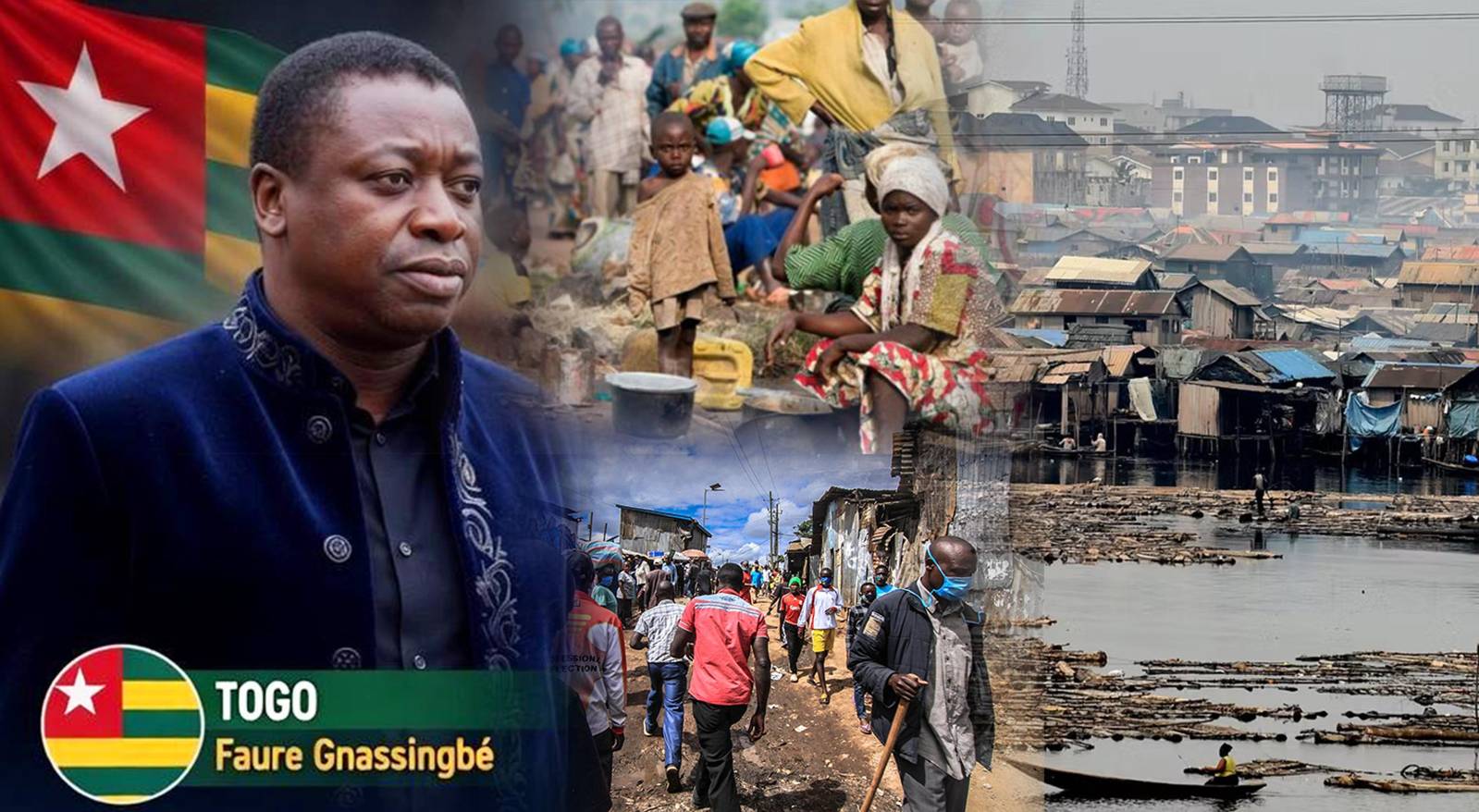
While citizens across Togo anxiously await relief from soaring living costs and persistent power outages, President of the Council Faure Essozimna Gnassingbé embarked on an unexpected journey to the snow-capped peaks of Kyrgyzstan. This diplomatic excursion, far from offering exotic appeal, has sparked widespread national bewilderment and a bitter sense of disconnect. Amidst veiled geopolitical strategies and a noticeable absence of tangible domestic benefits, this Central Asian venture appears less like a visionary strategic move and more like a forward flight into complex international relations.
a stark contrast: presidential priorities and domestic realities
In Lomé, the public yearns for concrete solutions regarding electricity supply, healthcare access, and employment opportunities. Yet, in Bishkek, the focus seemed to be on ceremonial handshakes and diplomatic protocols. This disparity highlights a profound gap between national needs and presidential actions. Kyrgyzstan, a landlocked nation of approximately 7 million people, lacks the vast financial reserves of Dubai, the abundant natural gas of Qatar, or the technological prowess synonymous with Silicon Valley.
Consequently, a pressing question arises: what was the true objective of Faure Gnassingbé’s visit to a country largely unknown to most Togolese until recently? Without any major contract announcements or direct investment pledges, this trip increasingly resembles a significant, yet unexplained, expenditure for the nation’s taxpayers.
the ‘backdoor’ to Russia: a high-stakes gamble
For astute political observers, the genuine stakes of this journey lie not in Kyrgyzstan itself, but in Moscow. By aligning with members of the Eurasian Economic Union (EAEU) and the Collective Security Treaty Organization (CSTO), Lomé appears to be seeking entry into Vladimir Putin’s sphere of influence through an unconventional route.
This assertive diversification strategy sends a clear message to Western allies. However, the critical question remains: at what cost? By engaging in the intricate global power dynamics, Togo risks straining its relationships with established traditional partners for what currently appear to be ambiguous Eurasian commitments.
Whispers within diplomatic circles suggest, « The real question isn’t so much about the destination, but the direction it indicates. » And this direction, many believe, seems to be diverging from the immediate concerns of the Togolese populace.
modest technical gains for a struggling populace
Discussions have touched upon topics like the