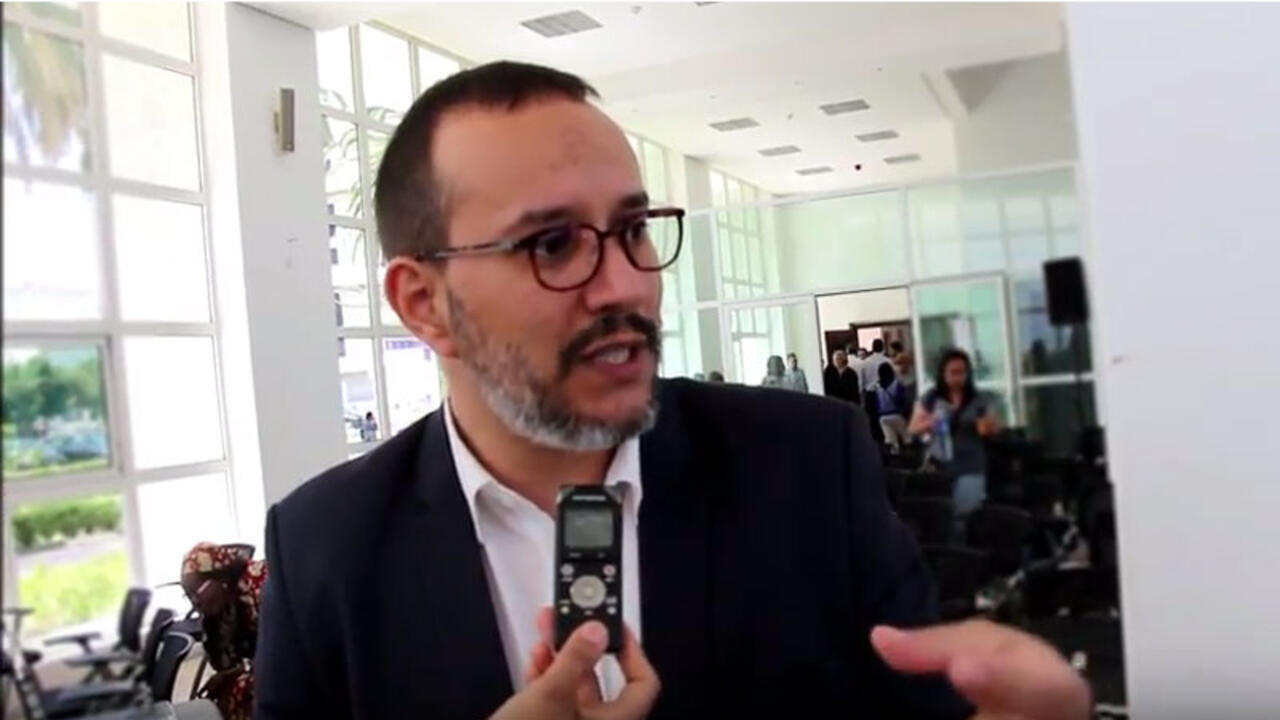
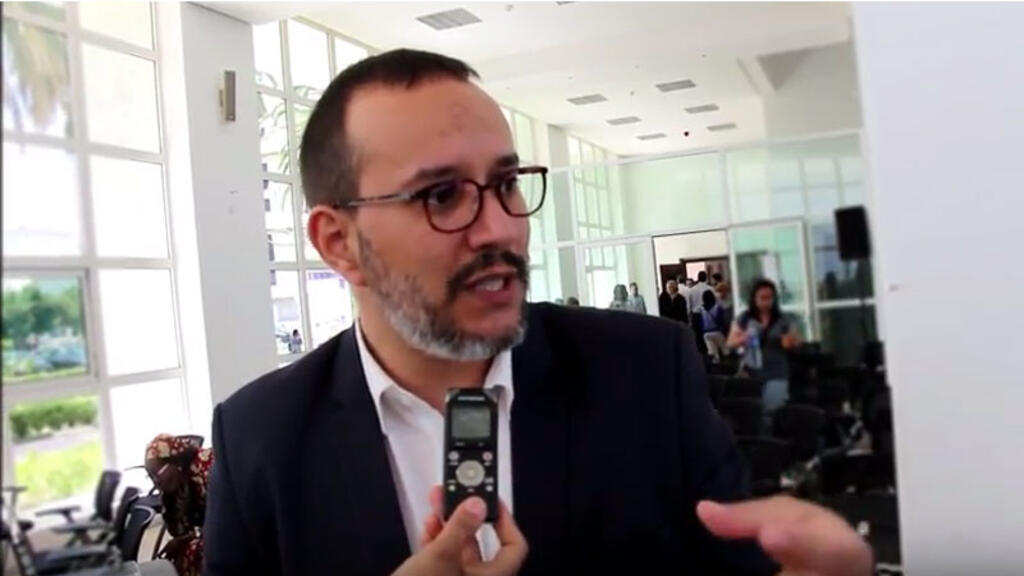
French Prime Minister Sébastien Lecornu arrived in Rabat on Wednesday, July 15, leading a high-profile delegation of over a dozen ministers. This visit, expected to yield several agreements, coincides with rising concerns over human rights issues, as Moroccan authorities have recently taken legal action against a journalist and an artist. Mehdi Alioua, a sociologist at Rabat International University and holder of the Chair on Migrations, Mobilities and Cosmopolitanism, shares his insights on the evolving relationship between Paris and Rabat, particularly in the context of broader African dynamics.
France and Morocco: A complex relationship in the Sahel
RFI: There seems to be a subtle France vs. Morocco dynamic unfolding across Sub-Saharan Africa. Where France struggles or recalibrates its presence, Morocco steps in with investments and influence. Has Rabat become the unexpected challenger to France in regions that were once its stronghold?
Mehdi Alioua: It’s a nuanced situation. On one hand, no—because much of Morocco’s investments are made in joint ventures with French companies or in alignment with French diplomacy. There is strong South-South cooperation that also thrives through North-South partnerships between Rabat and Paris. But on the other hand, yes—because Morocco has expanded beyond this, with fully Moroccan-led investments and a clear, declared ambition from the Moroccan Head of State to pursue an African policy for Africa.
Can Morocco help mend France’s strained ties with the Sahel?
Morocco is genuinely trying to play a constructive role. However, the deterioration isn’t necessarily between the people but at the political level. Take Mali, for example—many Franco-Malians feel the strain stems from political choices, especially under new regimes that have leveraged anti-French sentiment for populist gains. This isn’t how Moroccan diplomacy operates.
Morocco’s ties with Sahelian countries are centuries-old, predating Islam and deepening with its spread. The Almoravid dynasty, from which the French word marabout originates, ruled an empire stretching from Spain to Guinea and present-day Mali from the city of Aghmat near Marrakech. These enduring relationships give Moroccan diplomacy a unique ability to revive and strengthen these bonds. We are neighbors separated by the Sahara, yet we’ve navigated this vast desert for centuries.
Human rights concerns and Morocco’s evolving image
RFI: Recently, Moroccan authorities have detained prominent critics, including Franco-Moroccan journalist Ali Lmrabet and rapper Mehdi Black Wind. Should this be a cause for concern?
Mehdi Alioua: Any imprisonment of journalists or artists is troubling. The Moroccan justice system operates, in principle, independently. Those detained have the right to defend themselves. The journalist has been released but remains under investigation. While details about the rapper’s case are unclear, human rights lawyers and activists in Morocco are mobilizing to ensure fair representation. Morocco has made significant strides in human rights over the years, though occasional lapses into old habits persist.
Does Morocco hold the same allure as France in Sub-Saharan Africa?
No, not yet. However, Morocco is increasingly attracting attention—a deliberate strategy by its authorities. The African Cup of Nations (CAN) football tournament is a case in point; Morocco invested heavily to host a spectacular event, but the fragility of this appeal became evident. Domestically, many questioned why so much money was poured into stadiums amid persistent poverty. Internationally, a single final match dispute with Senegal turned African public opinion against Morocco. Claims of European-style pitches and Moroccan superiority over Africa, made without humility, have backfired. Morocco’s appeal is growing, yet it also stirs unease. It will never match France’s allure as long as it remains a lower-middle-income country. Only when Morocco achieves greater economic prosperity will it rival—or surpass—France’s influence.