Libreville recently hosted a pivotal shift in national strategy, as Gabon moves to redefine its economic identity.
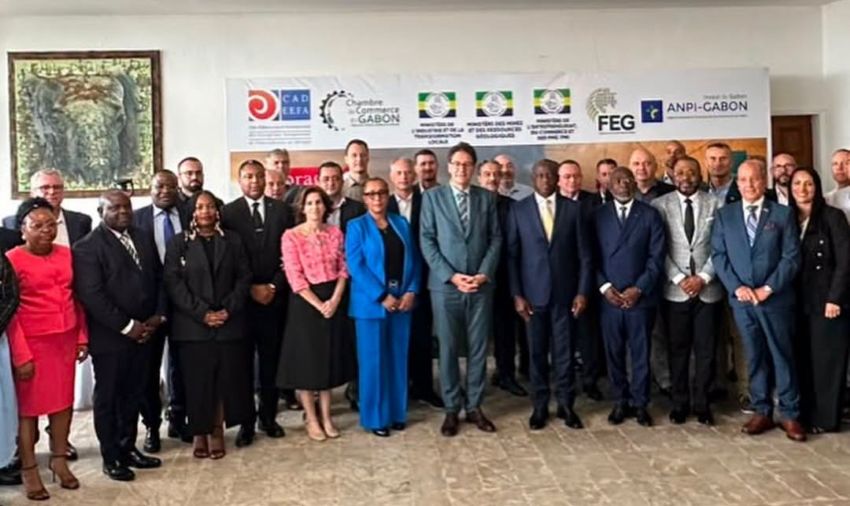
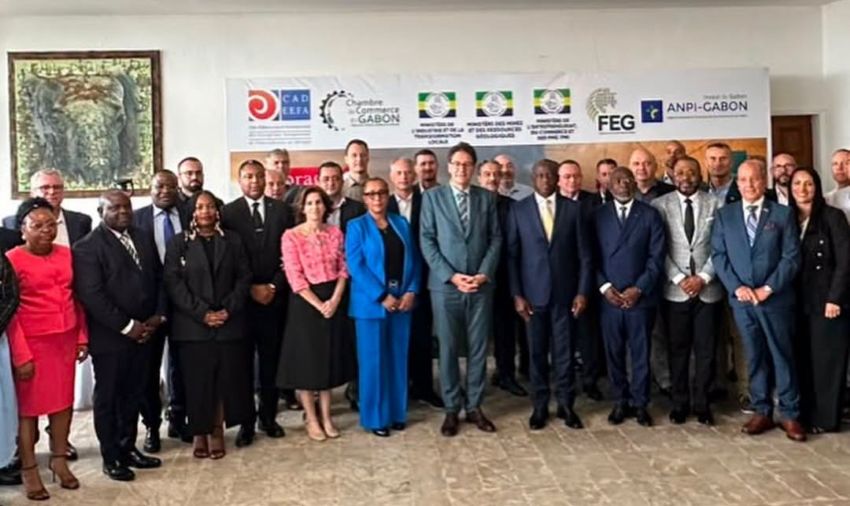
The launch of the Gabon Industry Meetings in the capital, overseen by Vice-President Hermann Immongault, represents a significant milestone in the country’s plan to utilize its natural wealth as a catalyst for industrial development. By prioritizing local processing over raw exports, the nation is setting the stage for its next economic chapter.
This gathering is more than a formal assembly; it is a clear message to the international community. With dozens of European investors, public officials, and industrial leaders in attendance, Libreville is demonstrating its commitment to becoming a hub for production and value addition, rather than remaining a mere supplier of raw commodities.
This transition addresses a fundamental challenge facing many resource-rich nations: the need to convert natural abundance into sustainable industrial strength.
A new era of economic transformation
Hermann Immongault emphasized that industrialization has moved from a policy choice to a strategic requirement for the nation’s future. This perspective reflects a growing consensus that relying on raw material exports is no longer viable. For decades, the export of unprocessed resources followed by the import of expensive finished goods has limited local job creation and economic growth.
Gabon holds a strong hand in this transition. With some of the most significant mineral reserves in Central Africa, a world-class timber sector, and a robust energy foundation, the country is well-positioned. The objective now is to build industrial value chains that keep wealth within national borders.
To support this, the High Investment Council is identifying and removing obstacles to productive investment. New measures are being introduced to secure legal frameworks, enhance the business environment, and streamline the establishment of new factories.
Attracting capital for national growth
Industry Minister Lubin Ntoumtoume detailed a comprehensive roadmap focusing on regulatory modernization and administrative efficiency. Key priorities include improving energy access, upgrading logistics infrastructure, and investing in the local workforce.
As global supply chains reorganize, Gabon is positioning itself as an attractive platform for investors looking to produce closer to emerging markets. The presence of European partners highlights this growing interest. Discussions with French Ambassador Fabrice Mauriès pointed toward a future of economic co-development, moving away from traditional extraction models.
The strategy also links the state with private enterprises and educational institutions to build a functional industrial ecosystem. Modern industry requires more than just factories; it demands innovation and a skilled population capable of meeting market needs.
The challenge of implementation
Gabon has already seen success in the timber industry, where a ban on log exports forced the development of local processing, creating more jobs and higher value. The government now intends to replicate this model in mining, metallurgy, and the agro-industrial sectors.
Planned site visits to Port-Gentil, Moanda, and the Grand Libreville area aim to show investors the current infrastructure and upcoming projects. However, the ultimate success of this vision will depend on consistent execution. The goal is to turn ambitious plans into tangible industrial operations that can withstand administrative and logistical hurdles.
These industry meetings serve as a credibility test for a nation seeking a new role in the global economy. If successful, Gabon could serve as a leading example for the industrial transformation of natural resources across the continent.