
Will Cameroon’s federalist ambitions regain momentum?
The question of whether Cameroon can revert to a federal system has resurfaced as political and social pressures mount. Years after adopting a unitary state structure, calls for decentralization and regional autonomy are growing louder, particularly from the country’s Anglophone communities. But can these aspirations translate into tangible change?
National dialogue: a missed opportunity?
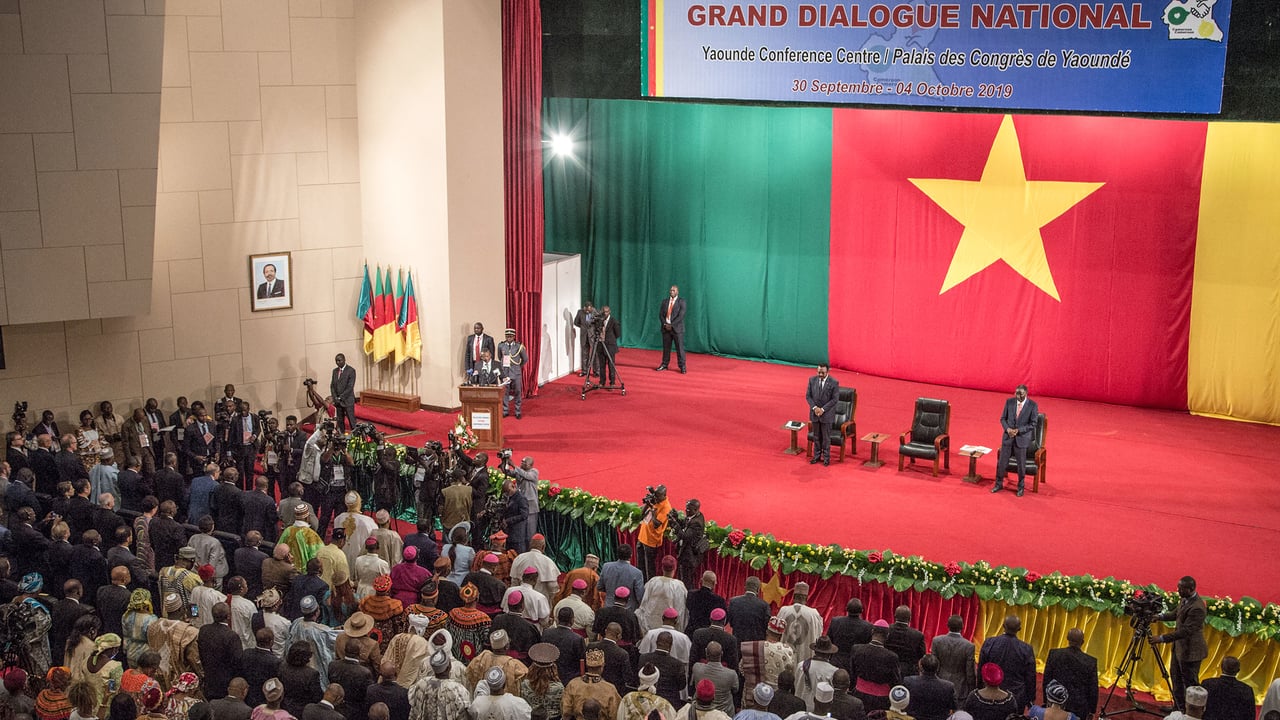
The 2019 National Dialogue, led by Prime Minister Joseph Dion Ngute, was designed to address the deep-rooted crisis in the Northwest and Southwest regions. However, the absence of major separatist leaders derailed negotiations, leaving unresolved grievances and unanswered demands for greater autonomy. The dialogue highlighted the challenges of balancing national unity with regional aspirations.
Federalism in Cameroon: historical roots and modern debates
Cameroon’s federal experiment dates back to the 1960s, shortly after independence. The country initially operated as a federation of two states: East Cameroon and West Cameroon. Over time, however, political centralization took precedence, culminating in the adoption of a unitary system. Today, discussions about revisiting federalism are often tied to efforts to reconcile the country’s diverse linguistic and cultural identities.
Advocates argue that federalism could empower regions, improve governance, and reduce tensions. Critics, however, warn that such a shift could weaken national cohesion and complicate resource distribution. The debate remains deeply polarizing, with no clear consensus in sight.
Key figures and their stances on federalism
The debate has drawn attention from prominent political figures, including former President Ahmadou Ahidjo and current President Paul Biya. While Ahidjo was instrumental in the country’s early federal structure, Biya has consistently favored a strong centralized government. Their contrasting visions continue to shape today’s discourse on Cameroon’s political future.
What the future holds
As Cameroon grapples with internal divisions, the federalism debate shows no signs of fading. The government faces mounting pressure to address regional disparities and restore stability in the Anglophone regions. Whether federalism becomes a viable solution remains uncertain, but the conversation itself underscores the need for inclusive governance and meaningful reform.