Gabon and AfDB: driving economic transformation together
Libreville, July 1, 2026 – As Gabon advances its bold economic transformation agenda, the African Development Bank (AfDB) has reaffirmed its commitment to being a key partner in this journey. The continental institution’s leadership met with Gabonese officials to outline concrete ways to accelerate diversification, infrastructure development, and human capital enhancement—three pillars deemed critical for the country’s future competitiveness.
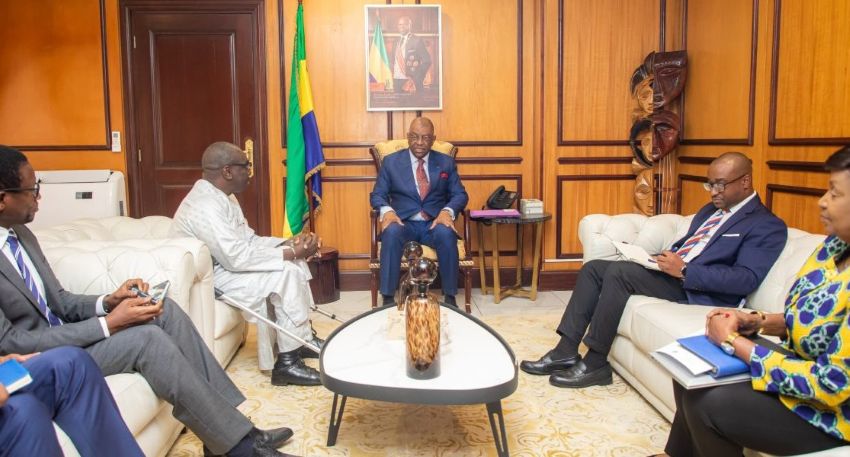
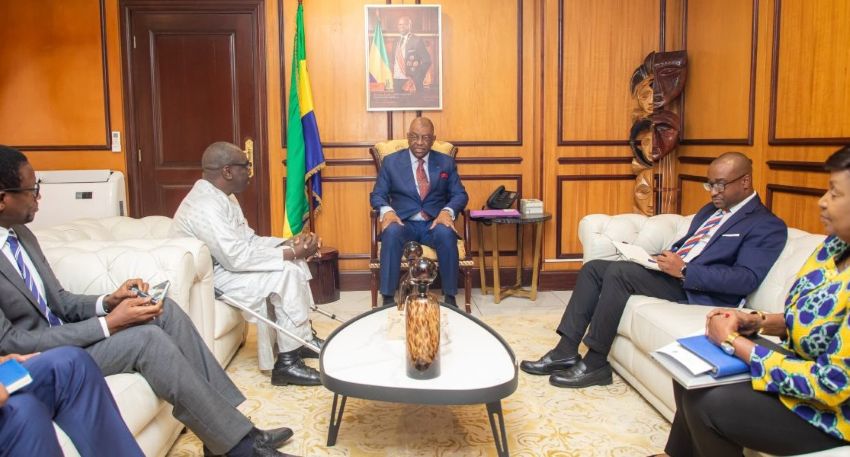
In today’s African landscape, where nations compete fiercely for investment, the ability to secure robust financial partners often determines economic success. This reality underpinned the high-level meeting in Libreville between Vice-President Alexandre Barro Chambrier and Mamour Ousmane Ba, AfDB’s representative for Gabon. The dialogue underscored a shared vision between national priorities and the continent’s premier development finance institution.
With African economies striving to move beyond commodity dependence, the Gabon-AfDB partnership emerges as a cornerstone of Libreville’s economic modernization drive. The institution’s involvement spans critical sectors, from infrastructure to education, all aligned with the government’s reform agenda.
A partnership rooted in economic resilience
Over the years, the AfDB has established itself as one of Gabon’s most strategic partners in funding large-scale projects. Its support extends to sectors identified as vital for long-term growth, particularly in reducing the economy’s reliance on oil revenues.
During the meeting, Mamour Ousmane Ba emphasized the AfDB’s renewed pledge to bolster Gabon’s economic diversification efforts. This commitment aligns with ongoing reforms aimed at building a more resilient, less oil-dependent economy. A key focus is human capital development—training, professional qualification, and youth employability—now recognized as a competitive advantage in attracting investment and fostering sustainable growth.
This strategic shift reflects a broader economic truth: modern economies require more than physical infrastructure. Nations investing in their people gain a decisive edge in global competitiveness and investment attractiveness.
Infrastructure as a growth catalyst
The second pillar of collaboration centers on infrastructure. Roads, sanitation, utility networks, and business environment improvements remain central to AfDB’s interventions in Gabon. For the Central African nation, this support is particularly vital, as infrastructure quality directly impacts economic efficiency, logistics costs, and investor appeal.
Ongoing road network upgrades—partially funded by AfDB programs—are helping bridge regional divides and unlock economic potential in previously isolated areas. Similarly, sanitation investments address both urban development needs and quality-of-life concerns for citizens. Beyond construction, these projects aim to create a stable, predictable business climate, a prerequisite for sustained private sector engagement.
A partnership poised for expansion
This meeting coincides with a pivotal moment for Gabon, as authorities roll out initiatives to accelerate economic transformation, attract investment, and boost domestic production. In this context, the AfDB stands out as a natural ally, offering technical expertise, financing solutions, and the ability to mobilize additional international investors.
The encounter with Mamour Ousmane Ba sends a clear signal to markets and partners: Gabon is committed to modernizing through alliances with institutions capable of supporting its long-term development goals. This cooperation exemplifies a broader shift in African growth strategies—moving beyond project financing to building diversified, resilient economies.
As global economic uncertainties persist, the alignment between Gabon’s national vision and continental financial support could prove decisive in shaping the country’s economic trajectory in the years ahead.