Gabon and EU deepen economic ties through renewed dialogue
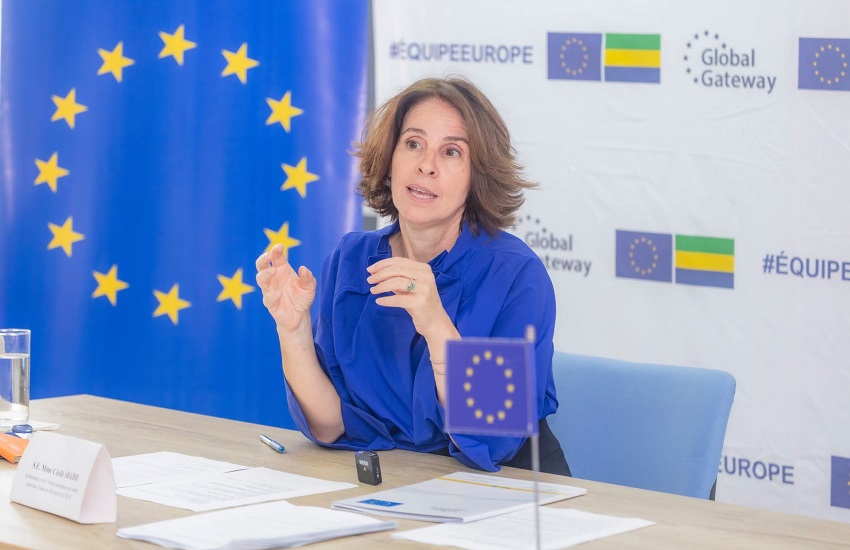
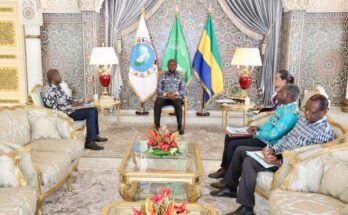
Libreville, Monday, June 8, 2026 — The second political dialogue between Gabon and the European Union, held today in Libreville, marks a pivotal shift in bilateral relations. Beyond formalities, this meeting signals a mutual commitment to transform political stability into economic momentum.
For Gabon, the goal is clear: leverage its renewed stability to attract investment, modernize infrastructure, and diversify its economy beyond raw material exports. The European Union, meanwhile, is recalibrating its African strategy, prioritizing sustainable partnerships over traditional aid models.
In an era of geopolitical rivalry, this dialogue carries weight. Gabon is no longer content with diplomatic ties—it seeks recognition as a regional economic hub, capable of fostering local value creation and industrial growth. Vice-President Hermann Immongault, opening the session at the Palais des Congrès de la Cité de la Démocratie, emphasized collaboration rooted in multilateralism, peace, and sustainable development.
A new chapter in cooperation
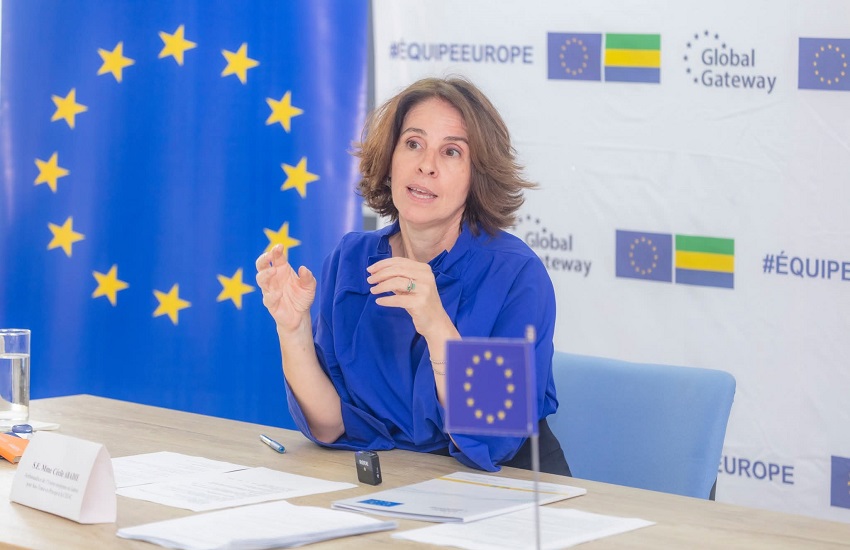
Historically, Gabon-EU relations centered on political exchanges and technical aid. This session signals a departure. The EU delegation stressed a shared economic agenda, positioning Brussels as a catalyst for investment rather than a mere donor. For Gabon, opportunities abound in infrastructure, renewable energy, digital innovation, and industrial transformation.
The stakes are high. Gabon aims to reduce reliance on unprocessed resources by developing high-value industries that create jobs and wealth domestically. The EU’s renewed focus on investment, value creation, and shared sovereignty aligns with Libreville’s reform agenda.
Ve République at the crossroads of reform
This dialogue coincides with Gabon’s sweeping reforms under President Brice Clotaire Oligui Nguema’s administration. Discussions will cover governance, rule of law, business environment, and administrative modernization—key pillars for boosting investor confidence.
Foreign Minister Marie Edith Tassyla Doumbeneny highlighted the meeting’s role in assessing bilateral relations at both the EU and member-state levels. The Samoa Agreement, now the framework for cooperation, prioritizes good governance, sustainable development, energy transition, and economic resilience—all central to Gabon’s national strategy.
Gabon’s ambition: a regional investment hub
The most striking evolution? Gabon’s proactive stance. No longer seeking just financial support, it aims to draw productive investments in sectors like forestry, mining, agriculture, and digital infrastructure. Sustainable natural resource management remains critical, with Gabon leveraging its leadership in Congo Basin conservation to negotiate climate and trade advantages.
As Immongault noted, this dialogue is a diplomatic exercise in economic sovereignty. Success will be measured by tangible outcomes: mobilized investments, implemented reforms, and realized projects. For Gabon, this is a defining moment in its post-2023 transformation strategy, positioning it as a competitive player in Africa and beyond.
Related Posts