Libreville — French-speaking Africa is currently navigating a pivotal moment for its economic future within its university halls. By assuming the presidency of the African and Malagasy Council for Higher Education (CAMES), Gabon has gained more than just a ceremonial role. It now holds a strategic instrument capable of shaping the education of millions, directing scientific inquiry, and bolstering the continent’s standing in a global market defined by digital innovation and high-level skills.
Gabon’s appointment to lead this organization, which unites nineteen nations across Francophone Africa and the Indian Ocean, comes at a time when educational standards are synonymous with national sovereignty. In Libreville, President Brice Clotaire Oligui Nguema intends to utilize this position to drive African economic change, with a sharp focus on ensuring graduates are actually prepared for the workforce.
CAMES: A quiet pillar of continental integration
Established in 1968, CAMES serves as a foundational element of African unity. It works to align university systems, ensure degrees are recognized across borders, manage competitive academic examinations, and evaluate the work of researchers and professors. Its reach extends far beyond the classroom; by maintaining quality benchmarks, the organization effectively molds the human capital of numerous African countries.
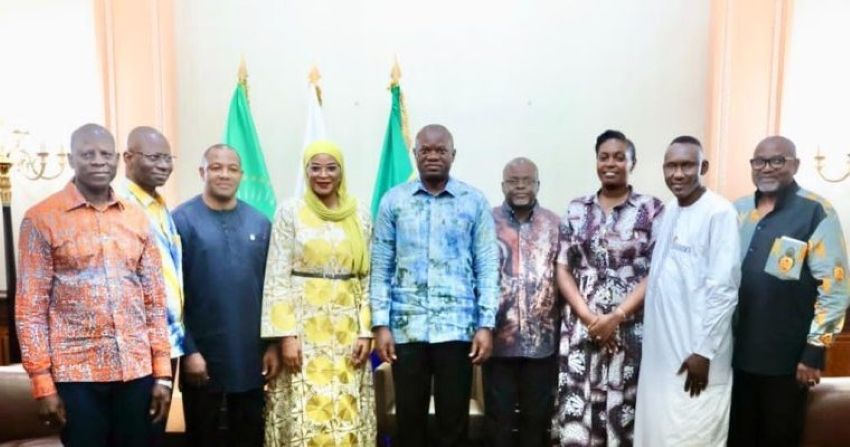
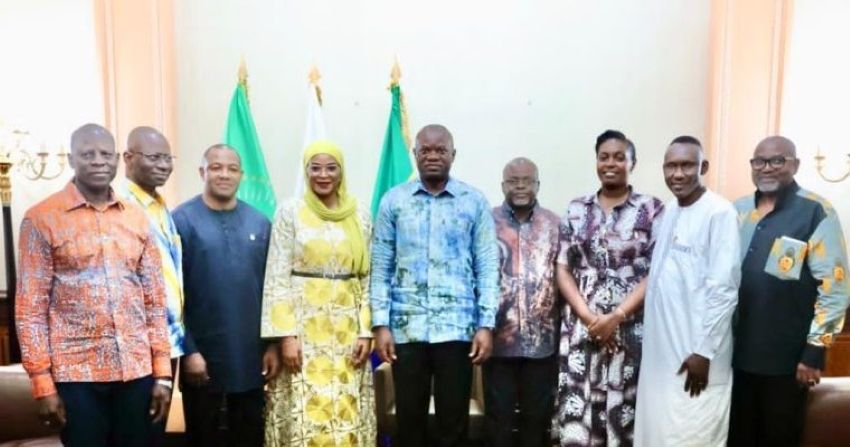
Following the conclusion of the 43rd CAMES Council of Ministers session in Libreville, the Gabonese Head of State met with a delegation led by the Guinean Minister of Higher Education, Dr. Diaka Sidibé, the outgoing council president. Their discussions reviewed progress in institutional governance, research organization, and academic certification.
Despite these strides, the talks also addressed the persistent financial vulnerabilities of the institution. Specifically, the challenge of member states failing to pay their contributions remains a hurdle that impacts the long-term viability of the organization’s missions.
Employability as the primary objective
The Gabonese presidency aims to look past traditional academic concerns to place universities at the center of development strategies. While Africa is seeing a massive surge in student numbers, a degree no longer guarantees a job in many nations. Academic paths are expanding, yet the practical needs of economies are shifting due to artificial intelligence, digital transitions, and new industrial technologies.
By prioritizing employability, Gabon is sparking a necessary conversation. The focus is now on training graduates who meet the specific demands of the African market, bridging the gap between academia and the private sector, and integrating future-oriented skills into standard curricula.
Establishing African scientific sovereignty
President Brice Clotaire Oligui Nguema has also championed a broader vision of scientific independence for the continent. Future CAMES initiatives, such as the Virtual Academy and enhanced applied research, align with Gabon’s own National Growth and Development Plan.
The economic potential of Gabon, highlighted by the industrial success of the Nkok Special Economic Zone and the country’s central geographic location, provides a strong foundation for continental integration. The President’s proposal for a future Summit of CAMES Heads of State signals a commitment to making higher education a priority in African public policy.
As global powers invest heavily in advanced technology and knowledge, African universities must evolve from mere centers of learning into instruments of power and sovereignty. In leading CAMES, Gabon takes on a role that transcends its own borders, aiming to foster a new generation of innovators capable of redefining the continent’s economic path. Ultimately, Africa’s future prosperity lies not just in its natural resources, but in the collective intelligence of its youth.