Gabon: President Oligui Nguema receives highest academic distinction from CAMES
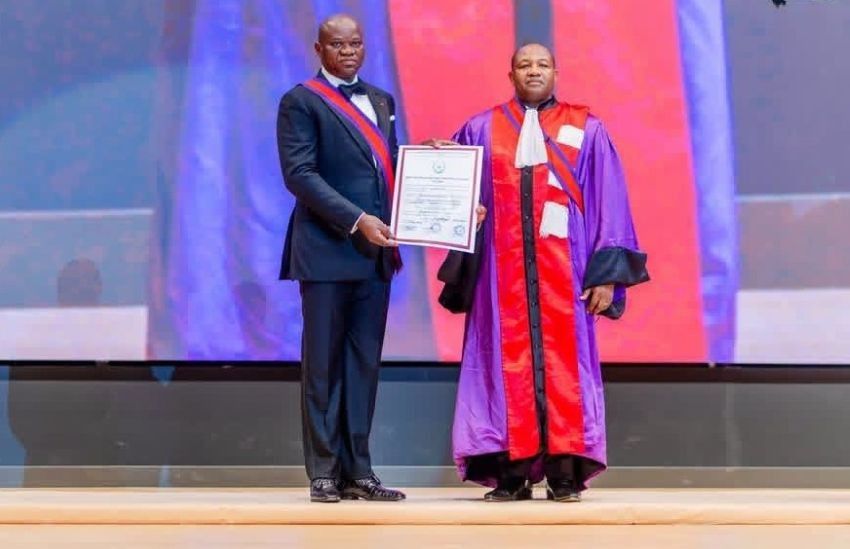
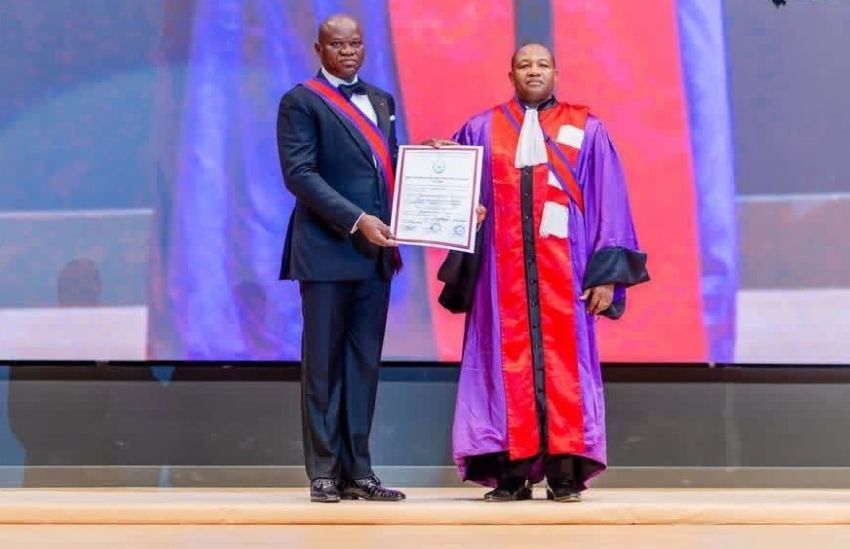
Libreville became the epicentre of African intellectual prestige this Tuesday as the nation’s leader was granted a rare distinction. By being elevated to the dignity of Grand Cross of the International Order of Academic Palms by the African and Malagasy Council for Higher Education (CAMES), Brice Clotaire Oligui Nguema has received a tribute that transcends mere protocol.
This high-level recognition, presented during the 43rd session of CAMES in the capital, arrives at a pivotal moment. Gabon is currently working to reshape its influence within African intellectual circles, viewing higher education as a vital pillar of national sovereignty.
In a global landscape where economic power is increasingly determined by university research and laboratory breakthroughs rather than just natural resources, this event highlights a significant shift. The country is positioning itself as a primary driver of academic evolution across the continent.
Knowledge as a national priority
Speaking before an audience of university administrators, researchers, and international delegations, the Head of State chose to share this honor with those he views as the architects of the future. He focused his remarks on the vital role of educators, researchers, and students.
“I recognize that these noble professions are a true calling, often marked by significant challenges and obstacles. It is my firm belief that the State and society must provide better recognition and support for these roles,” stated Brice Clotaire Oligui Nguema.
This commitment comes as Gabon accelerates investments in university infrastructure and scientific research. There is a growing consensus that the prosperity of African nations will depend less on raw materials and more on the ability to generate knowledge, foster innovation, and develop high-level human capital.
The President articulated this vision clearly, noting that no national destiny can be fulfilled without a strong and responsible system of higher education and research. This perspective represents a break from development models focused solely on resource extraction, placing science at the top of the strategic agenda.
CAMES and the future of African research
Established in 1968, CAMES remains one of the continent’s most vital institutions for academic cooperation. With nineteen member states, it plays a central role in evaluating faculty, harmonizing degrees, and promoting scientific advancement.
Professor Charles Edgar Mombo, currently presiding over the CAMES Council of Ministers, emphasized that the significance of this leadership role goes beyond the honorary. He noted that it serves as a strategic lever to guide the institution’s priorities and strengthen the host country’s standing in the African academic community.
Under this momentum, Gabon is championing several key initiatives. These include increasing student and teacher mobility, ensuring mutual recognition of diplomas, modernizing academic programs to meet technological shifts, and enhancing the employability of graduates.
The institution also faces the challenge of boosting the global visibility of African research in a competitive environment dominated by Western and Asian academic hubs.
Libreville’s academic ambitions
Gabon’s goals extend past administrative management. Libreville is now aspiring to host the upcoming Summit of Heads of State and Government for the organization. Such a gathering would serve as a powerful political signal, confirming Gabon’s return as a major influence in continental dialogue and providing a platform to showcase its development strategy centered on human capital.
This move is particularly relevant as Africa experiences the world’s fastest growth in student populations. By 2050, hundreds of millions of young Africans will enter higher education, and the quality of their training will dictate the continent’s economic future.
Gabon is determined to lead in this battle for knowledge. The distinction awarded to Brice Clotaire Oligui Nguema is a testament to a political path that places the university and innovation at the core of development. More than a personal achievement, this Grand Cross marks a historic transformation: the 21st century in Africa will be defined by the power of the mind.