Tchad: the presidential pardon of opposition leaders sparks cautious optimism
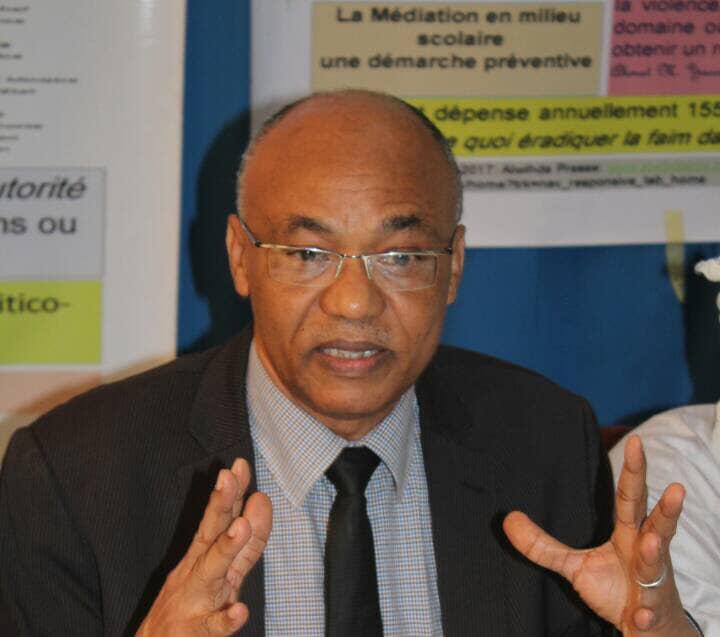
The recent presidential pardon granted to prominent opposition figures in Tchad marks a significant political gesture, according to conflict resolution expert Ahmat Yacoub Dabio. As president of the Centre for Studies on Development and Extremism Prevention (CEDPE), he views this move as a temporary relief for political tensions, creating an opportunity for dialogue and reconciliation.
Pardon does not equate to lasting reconciliation
While the pardon offers a moment of respite, Dabio warns against conflating short-term clemency with enduring political reconciliation. The core challenge remains unaddressed: several opposition leaders, despite their release, remain barred from running in elections. This paradox—receiving clemency while still facing electoral exclusion—could deepen political fissures rather than heal them.
The CEDPE highlights the potential ripple effects of this decision on Tchad’s political landscape. Traditional parties may struggle to adapt, while younger leaders, focused on pressing issues like employment, purchasing power, security, and justice, could gain prominence. However, if the exclusion persists, it risks fueling resentment among those pardoned, undermining trust in the political process.
A fragile step toward national confidence
For Dabio, the presidential pardon alone cannot bridge the trust gap between the government and the opposition. He emphasizes the need for a credible, inclusive, and transparent framework to transform this gesture into a sustainable path toward reconciliation. Without such measures, the pardon may only serve as a temporary bandage on deeper political wounds.