Gabon takes bold step to reclaim its maritime wealth
Libreville, June 17, 2026 – With the expiry of its sustainable fishing partnership agreement with the European Union just days away, Gabon has made a decisive move to reshape its maritime resource management. Authorities in Libreville have decided not to renew an agreement widely perceived as deeply imbalanced between the two parties.
This bold decision represents more than just a shift in fisheries policy—it marks the beginning of a broader economic strategy. Gabon is determined to reclaim control over the value generated from its national resources while aligning with the continental push for economic sovereignty and transparent natural resource management.
The timing of this announcement is significant. Across Africa, discussions on the governance of marine resources are intensifying. Recent continental forums in Mombasa focused on the blue economy and sustainable ocean management, where several African nations advocated for greater transparency, traceability, and local benefits in agreements with major fishing powers. Gabon’s move appears to put these principles into action.
End of a disputed model
For years, fishing agreements between certain African states and the European Union have faced criticism. Though framed as efforts to promote sustainable marine exploitation, they are often accused of prioritizing the interests of foreign fleets over local economies.
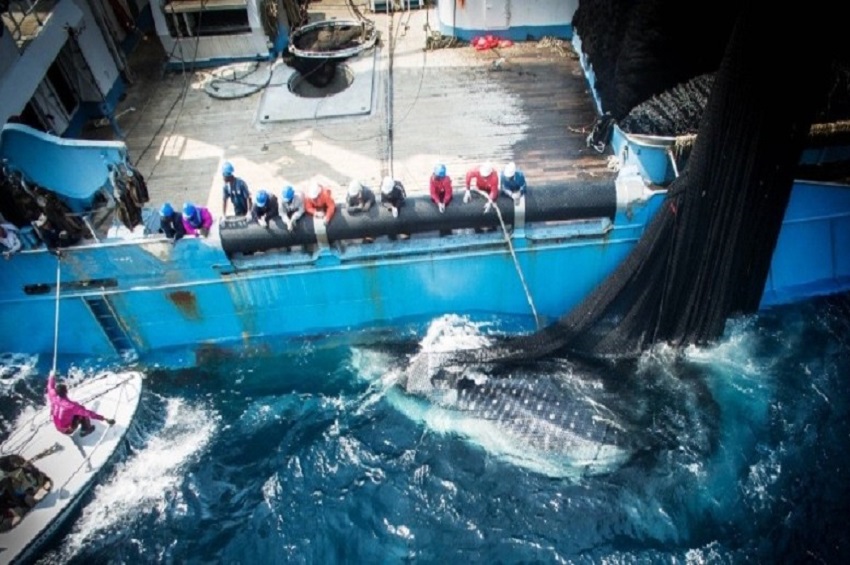
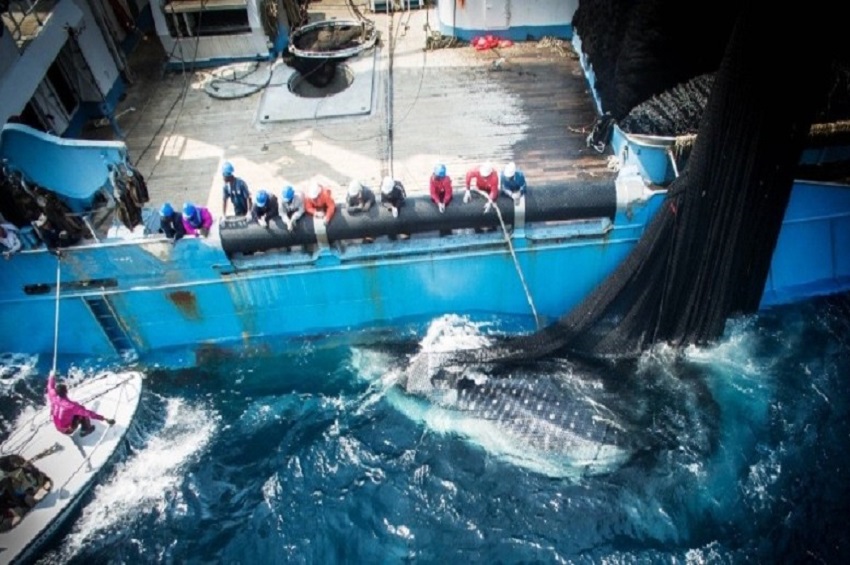
Gabon’s stance stems from this very concern. Authorities argue that the financial compensation offered by Brussels does not reflect the true value of the tuna and other fish extracted from Gabonese waters. The €2.6 million annual payment is seen as inadequate compared to the tens of thousands of tons of fish harvested from one of the Gulf of Guinea’s richest maritime zones.
Beyond finances, Libreville highlights another critical imbalance: the costs of monitoring and securing the Exclusive Economic Zone far exceed the compensation received. Essentially, Gabon bears the burden of safeguarding an activity whose primary benefits are captured elsewhere.
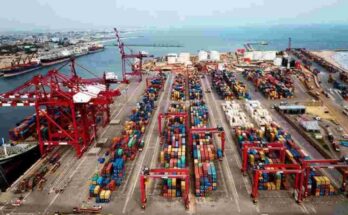
The situation is even more glaring in terms of industrial value. Fish caught in Gabonese waters is typically landed, processed, and commercialized outside national borders, leaving the country excluded from the value chains generated by its own resources.
Fighting for added value
The core of this decision lies in local processing. For years, Gabon has sought to move beyond raw material export models that still define key sectors of its economy—timber, minerals, and hydrocarbons. Now, the fishing industry is joining this economic transformation.
The goal is clear: to develop a thriving national tuna industry capable of creating jobs, attracting industrial investment, and boosting public revenue. This aligns with recommendations from African institutions like the African Development Bank, which emphasize that Africa loses billions annually by failing to process its marine resources locally.
With over 800 kilometers of coastline and one of the region’s largest maritime zones, Gabon possesses enormous potential to build a competitive fishing industry. The decision to reject the EU agreement reflects a commitment to turning this potential into tangible economic progress.
Transparency, sovereignty, and sustainability
Gabon’s move is not solely economic—it also reinforces the country’s commitment to transparency and sustainable resource exploitation. Authorities point to the risks of overfishing due to insufficient control mechanisms, echoing growing environmental concerns about tuna stocks in African fishing zones.
By refusing to automatically renew the expiring agreement on June 28, 2026, Libreville is setting new terms. Future partnerships must meet stricter standards for ecosystem preservation, traceability of catches, and local value creation.
This stance signals a shift in the power dynamics between African resource-rich states and their traditional partners. No longer content as mere suppliers of raw materials, several African countries are demanding a greater role in defining the terms of resource exploitation.
Gabon’s decision could set a regional precedent, sending a clear message to investors and international partners: access to African natural resources must now align with sovereignty, transparency, and local development imperatives.
As Africa seeks to build a more autonomous and strategically integrated economy, Libreville’s choice exemplifies a growing continental trend. The continent is no longer willing to merely export its wealth—it now seeks to control its own destiny.