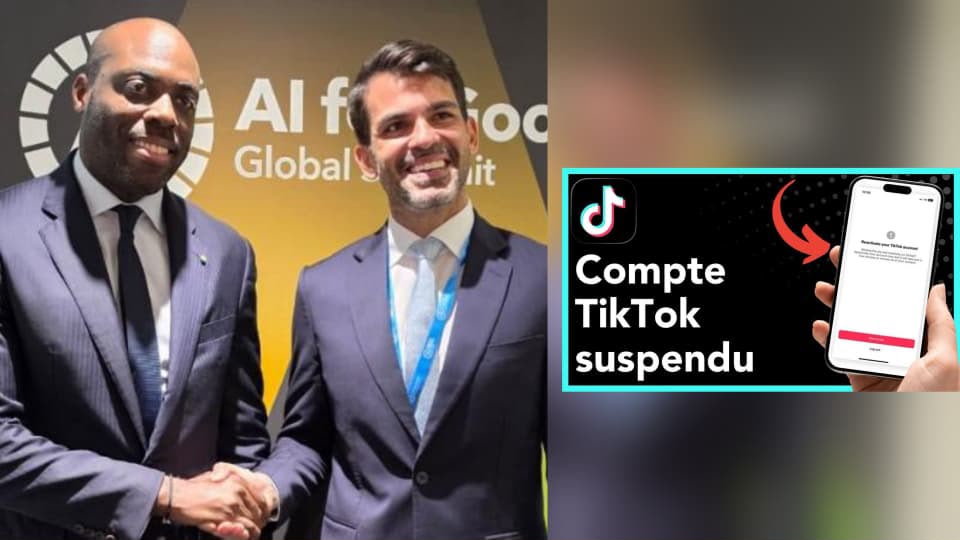
The Gabonese government and TikTok have shifted from confrontation to dialogue in their approach to digital platform regulation. Following months of regulatory tensions, a high-level meeting took place on the sidelines of the AI for Good / WSIS Summit in Geneva from July 7 to 11, bringing together Gabon’s Minister of Digital Economy, Mark-Alexandre Doumba, with regional TikTok executives to assess compliance with the country’s updated social media laws.
This engagement follows Gabon’s intensified efforts to regulate digital platforms more strictly. During the discussions, both parties focused on key areas including social media governance, user protection—especially for minors—and TikTok’s commitment to adhering to Gabon’s newly enforced regulations. Emir Gelen, TikTok’s Regional Director for Government Relations in the Middle East, Eurasia, and Africa (MEA), along with Deputy Director Maria Cohn, presented a detailed report on the platform’s moderation activities during the first quarter of 2026.
TikTok’s transparency report revealed significant progress: a total of 23,504 sensitive contents were removed, including 13,930 posts harmful to minors’ safety and well-being, and 10,784 posts promoting regulated goods, services, or activities. The majority of removals targeted sexualized content and material involving physical or sexual abuse of minors.
The platform also highlighted advancements in its moderation systems, boasting that 99.8% of violating content was detected and removed before users could report it—with 92.9% removed before any view. Additionally, 97.2% of flagged content was taken down within 48 hours, and 4,352 accounts were permanently suspended during this period.
With both sides agreeing to extend their collaboration for another year—a timeline aligned with Gabon’s compliance framework outlined in the recent social media regulation ordinance—the meeting signals a constructive step forward. Minister Doumba emphasized the government’s priority to balance digital innovation with robust citizen protection, particularly in combating misinformation, cyberbullying, hate speech, and other threats to youth mental health.
Gabon’s proactive stance underscores its determination to enforce national laws while fostering a digital ecosystem that is safer, more accountable, and better aligned with public interest. This dialogue sets a precedent for how African governments can engage with global tech companies to ensure compliance without stifling innovation.