The Gabonese government is prioritizing the mining industry as a key driver of economic growth, following a decline in oil production. Recent months have seen a surge in investment announcements, alongside ongoing exploration and research activities across multiple provinces.
Eight new mining projects planned by 2030
Since taking office as Minister of Mines seven months ago, Sosthène Nguema Nguema has outlined an ambitious plan to launch around eight new mining operations between 2026 and 2030. These projects will focus primarily on iron ore, but also include gold and potash. The government anticipates that these developments will generate thousands of jobs and significantly boost the mining sector’s contribution to the national economy.
Currently, mining accounts for approximately 6% of Gabon’s GDP. However, officials project this figure could rise to between 15% and 20% in the coming years, provided the sector expands as planned.
Infrastructure: the backbone of mining ambitions
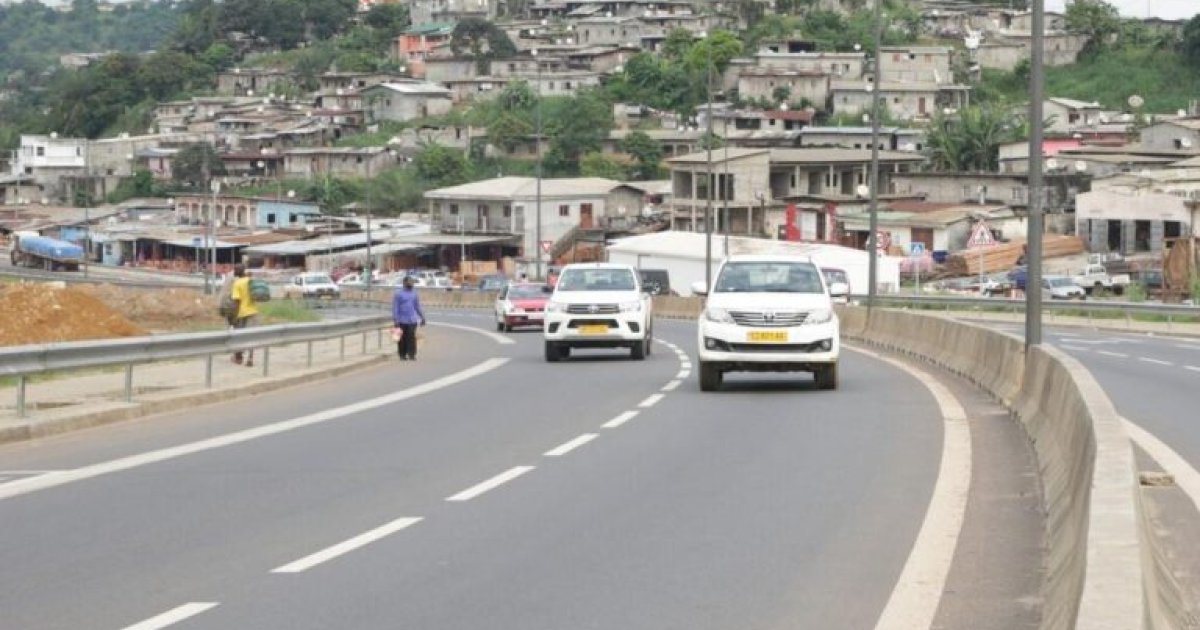
Economist Orphée Mouelé, who holds a degree from the Omar Bongo University, emphasizes that the success of these mining initiatives hinges on substantial improvements to the country’s infrastructure. He highlights the urgent need for upgraded roads, railways, ports, and bridges to facilitate the transportation of extracted minerals.
Energy access is another critical challenge. Future mining sites will require reliable electricity to operate efficiently and to support industrial activities linked to raw material processing.
Balancing economic growth with social impact
The NGO Éthique et Bonne Gouvernance has welcomed the mining sector’s potential, while stressing the importance of ensuring tangible benefits for local communities. Its president, Edmiaune Zouga, calls for mining revenues to directly improve the living standards of all Gabonese citizens.