In a landmark ruling, the ECOWAS Court of Justice has declared Togo’s 2024 constitutional amendment an unconstitutional change of government, sparking fierce reactions from a coalition of 43 civil society groups demanding swift regional sanctions against Lomé’s leadership.
Civil society unites against democratic backsliding
A collective of African and Togolese human rights defenders, legal experts, and grassroots movements has issued a scathing appeal to the Economic Community of West African States (ECOWAS) and the African Union (AU), urging immediate punitive measures against Togo’s government. The coalition’s demands follow the ECOWAS court’s unprecedented verdict, which condemned the abrupt shift from a presidential to a parliamentary system in May 2024 as a constitutional coup aimed at bypassing presidential term limits.
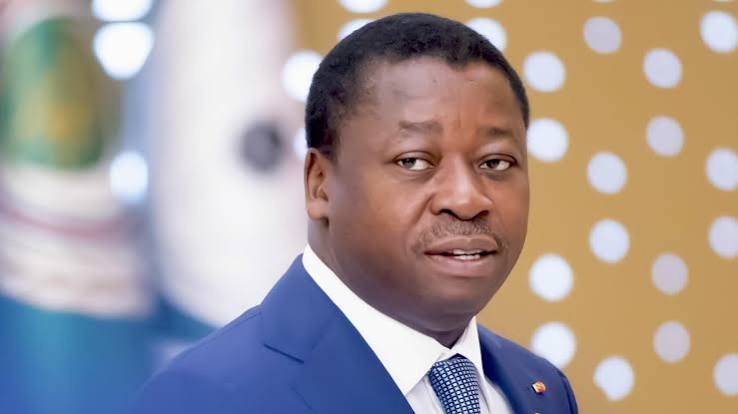
The signatories, including prominent rights leagues and citizen-led initiatives, argue that the court’s decision validates long-standing allegations of a deliberate ploy to extend President Faure Gnassingbé’s grip on power. Under the revised framework, he would retain authority as « President of the Council of Ministers », a move critics denounce as a thinly veiled power grab.
This isn’t merely a legal opinion—it’s a binding ruling that Togo, as a founding ECOWAS member, must uphold. The collective emphasizes that the 2001 ECOWAS Supplementary Protocol on Democracy and Good Governance leaves no room for ambiguity: « Africa cannot condemn military coups while turning a blind eye to constitutional subterfuge. Consistency is non-negotiable. »
Calls for regional action escalate
The coalition’s manifesto goes beyond symbolic condemnation, demanding concrete steps to restore democratic norms. Their demands target both ECOWAS and the AU, with a focus on isolating Togo’s institutions until constitutional order is restored.
- Enforce the ECOWAS Protocol: Activate sanctions mechanisms for breaches of democratic governance.
- Diplomatic isolation: Review Togo’s participation in regional decision-making bodies.
- UN oversight: Appoint a Special Rapporteur to monitor human rights violations and public freedoms.
- Inclusive dialogue: Restart broad-based political negotiations under international mediation.
Regional credibility at stake
The ECOWAS heads of state now face a critical juncture. Their response to this crisis will determine whether the bloc prioritizes diplomatic pragmatism over its foundational democratic principles. For over a decade, Togo has been a recurring flashpoint for constitutional manipulations, and the coming weeks will test whether the region’s institutions can enforce accountability—or succumb to political expediency.
The stakes extend beyond Lomé: if ECOWAS fails to act decisively, it risks emboldening similar maneuvers elsewhere in West Africa, where democratic backsliding often begins with legalistic pretexts.