Gabon’s national parks aim for global conservation leadership
Libreville, July 1, 2026 — As climate change reshapes global economic and environmental priorities, Gabon is taking a bold step by initiating Forest Stewardship Council (FSC) certification for all 13 of its national parks. This ambitious move positions the country at the forefront of sustainable conservation, merging biodiversity preservation with economic development and green financing opportunities.
Spearheaded by the National Agency for National Parks (ANPN), this initiative aligns Gabon with a growing global movement that views natural ecosystems not just as protected heritage but as strategic assets in the fight against climate change and the transformation of economies.
Certification as a pillar of environmental credibility
Recently, the ANPN convened representatives from the Forest Stewardship Council Africa alongside project consultants to outline the certification process. This coordination meeting aimed to align international requirements, clarify stakeholder responsibilities, and establish operational deployment methods.
While FSC certification is traditionally linked to sustainable forest management, extending it to protected areas sends a powerful message. It demands adherence to rigorous standards in governance, natural resource management, transparency, local community involvement, and ecosystem preservation.
For Gabon, this certification serves as a gateway to international credibility. In an era where investors and financial institutions increasingly prioritize environmental, social, and governance (ESG) criteria, certified natural spaces offer a strategic advantage.
Transforming biodiversity into economic opportunity
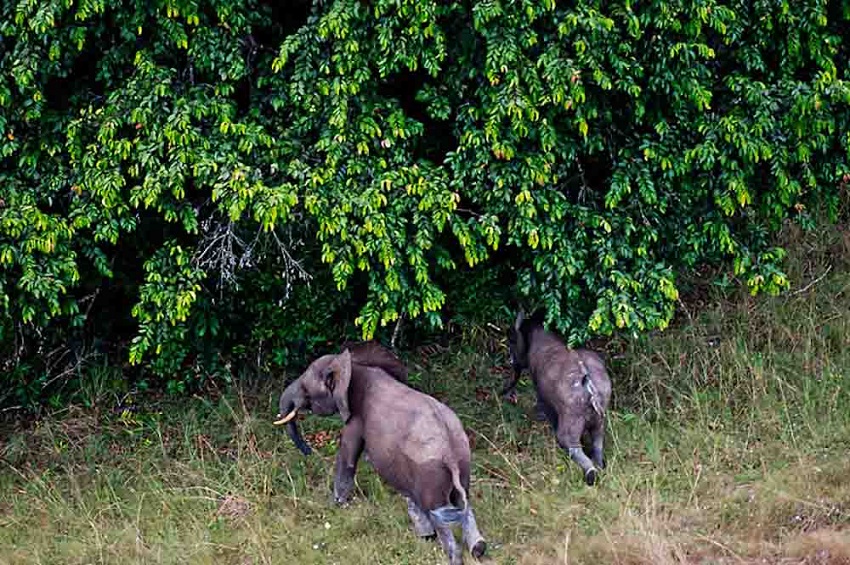
Gabon’s national park network spans nearly 11% of the country’s territory, hosting some of Africa’s richest biodiversity hotspots—from forest elephants and gorillas to countless endemic plant and animal species.
The envisioned certification isn’t merely about protection; it’s about unlocking the economic potential of these natural assets in a sustainable way. Discussions with FSC Africa have focused on monitoring mechanisms, protected area evaluation tools, and ecosystem service opportunities. This modern concept recognizes that forests, wetlands, and protected zones generate real economic benefits through carbon sequestration, climate regulation, water resource protection, and ecotourism development.
In this context, certification acts as a passport to access new international funding mechanisms designed to support conservation policies.
A vision with regional impact
Beyond national borders, Gabon’s initiative carries continental significance. By certifying all 13 national parks, the country seeks to establish itself as a pioneer among African nations in protected area certification—a move that reflects a broader trend of countries modernizing their environmental management models to meet international commitments under the Paris Agreement and global biodiversity targets.
The strategic partnership between ANPN and FSC marks the launch of a new management paradigm for Gabon’s protected areas. This evolution underscores the government’s commitment to enhancing conservation effectiveness while boosting the country’s appeal to international partners.
In a world where natural resources are becoming a geopolitical cornerstone, Gabon appears to have recognized that its biodiversity is one of its greatest assets. By aligning its national parks with the world’s most stringent standards, the country isn’t just safeguarding its natural heritage—it’s laying the groundwork for an environmental diplomacy that positions conservation as a driver of influence, financing, and sustainable development.