Despite the vast consumer market of 1.4 billion people offered by the African Continental Free Trade Area (AfCFTA), Gabon continues to face challenges in expanding its exports to neighboring countries. Currently, only 8.9% of the nation’s total trade volume is directed toward African markets, according to the latest economic outlook reports. This modest figure highlights the significant work ahead for Libreville in strengthening regional trade ties.
On the flip side, the continent supplies 28.3% of Gabon’s imports, reinforcing Africa’s role as the country’s second-largest supplier after traditional partners.
Leveraging AfCFTA to diversify beyond oil
This trade imbalance lies at the heart of government concerns. In mid-2026, President Brice Clotaire Oligui Nguema met with AfCFTA Secretary-General Wamkele Mene to lay the groundwork for deeper regional integration. For Gabon, the stakes are high: breaking free from its historical dependence on hydrocarbons is no longer optional but a necessity for sustainable growth.
The path to economic resilience lies in unlocking sectors such as agro-industry, mining, and the service industry. With intra-African trade projected to reach $230 billion this year, Gabon is banking on tapping into this expanding market to reverse its current trade dynamics.
Nkok’s economic zone as a strategic asset
Gabon already boasts key advantages to achieve this goal. During the high-level discussions, the AfCFTA leader praised the potential of the Nkok Special Economic Zone (SEZ), a thriving industrial hub capable of producing high-value processed goods for Central Africa and beyond. Combined with a strategic geographic position in Central Africa and a growing digital economy, Gabon is positioning itself to capture new market share across the continent.
Overcoming regional trade barriers
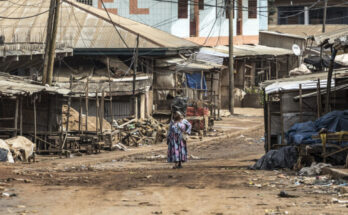
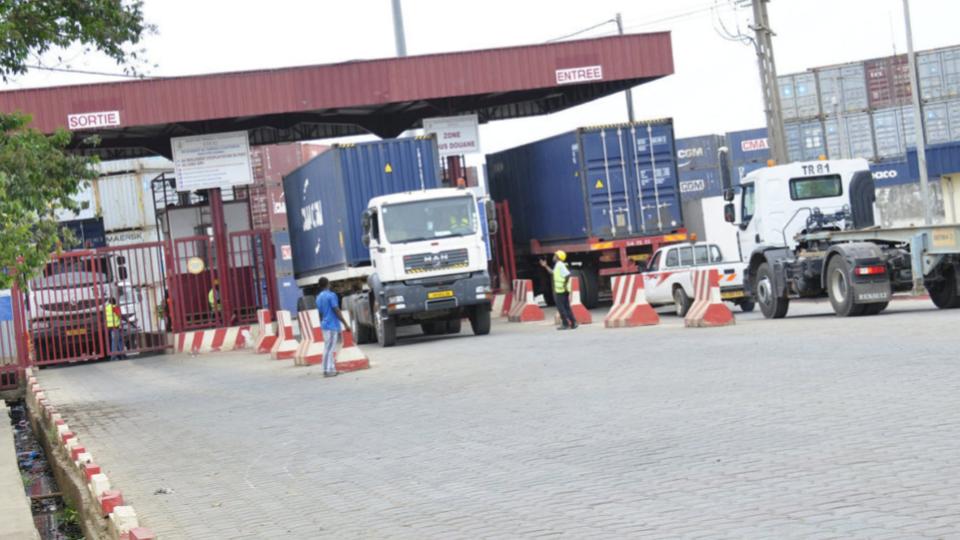
Yet, the journey is fraught with hurdles. In Central Africa, trade remains sluggish due to inadequate transport infrastructure and exorbitant logistics costs. This paradox underscores the gap between AfCFTA’s ambitious goals—raising intra-African trade to over 50% by 2035—and the current reality on the ground.
Gabon’s roadmap is clear: modernize trade corridors, add value to local raw materials, and harness AfCFTA as the cornerstone of its economic resilience strategy.