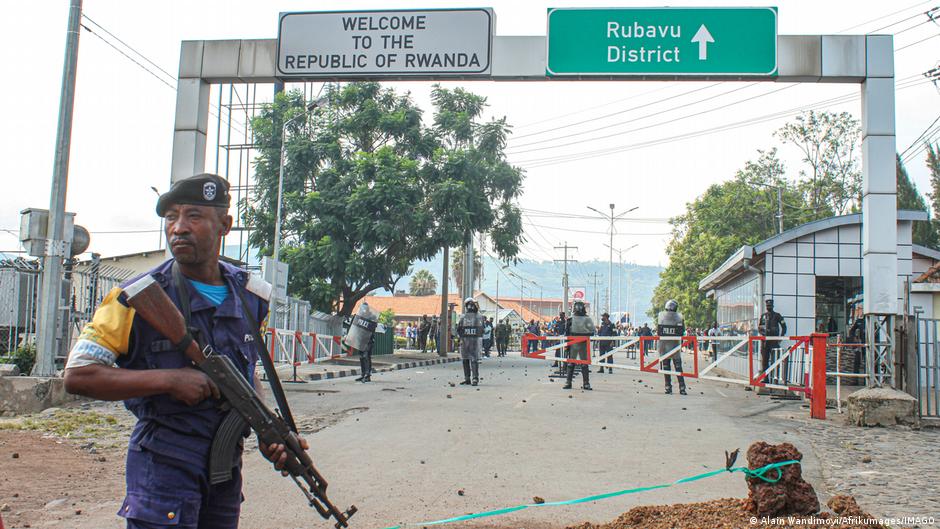
The suspension of movement at the crossing points between Goma, located in the eastern République démocratique du Congo, and Gisenyi in Rwanda, is triggering significant alarm among the local population. From street vendors to financial analysts, the consensus is clear: the regional economy is taking a heavy hit.
In an effort to curb the potential transmission of Ebola, Rwanda implemented strict border controls and eventually halted most transborder traffic. These health-driven protocols have fundamentally altered the flow of goods and people between the two nations.
Micro-retailers face dwindling returns
Jacques Safari, who has spent years selling eggs near the Goma crossing, represents the many small-scale entrepreneurs seeing their livelihoods evaporate. Since the gates were locked, his daily revenue has plummeted.
Previously, Safari could move five crates of eggs in a single day; now, he struggles to sell even two. He points to the absence of transiting travelers, who made up the bulk of his business, as the primary reason for the slump. The economic hardship brought on by the restricted access has left his stalls largely empty of buyers.
Supply chain disruptions for Birere wholesalers
The crisis extends beyond street stalls to the large-scale distributors at the Birere market. Wholesalers are reporting increasingly difficult hurdles in maintaining their inventory.
Hamuli Kasilembo, a prominent wholesaler in the area, noted that the proximity to Rwanda once guaranteed a swift and reliable supply chain. Today, logistics have become a nightmare, and consumer demand has cratered. With less currency circulating in the local market, every transaction has become a struggle.
A predictable crisis for regional experts
Financial analysts argue that this downturn was inevitable. Alphonse Muanda, an economist, emphasizes that the daily interactions between Goma and Gisenyi are the lifeblood of the local urban economy.
He highlights that a vast number of small-time traders rely on these open borders for their daily bread. Many would cross into Gisenyi to purchase essential household goods like soap and rice in bulk to resell them in Goma.
When the Rwandan authorities tighten these borders, the most vulnerable merchants feel the impact immediately. For those living hand-to-mouth, the loss of transborder trade is catastrophic.
While the health measures were intended to protect the public from an Ebola outbreak, the prolonged closure is fueling fears of a deeper social and economic emergency. Residents in Goma now worry that if the situation does not change, extreme poverty will soon take hold.