world
escalating persecution of LGBTQ+ individuals in Senegal: new legislation intensifies crackdown
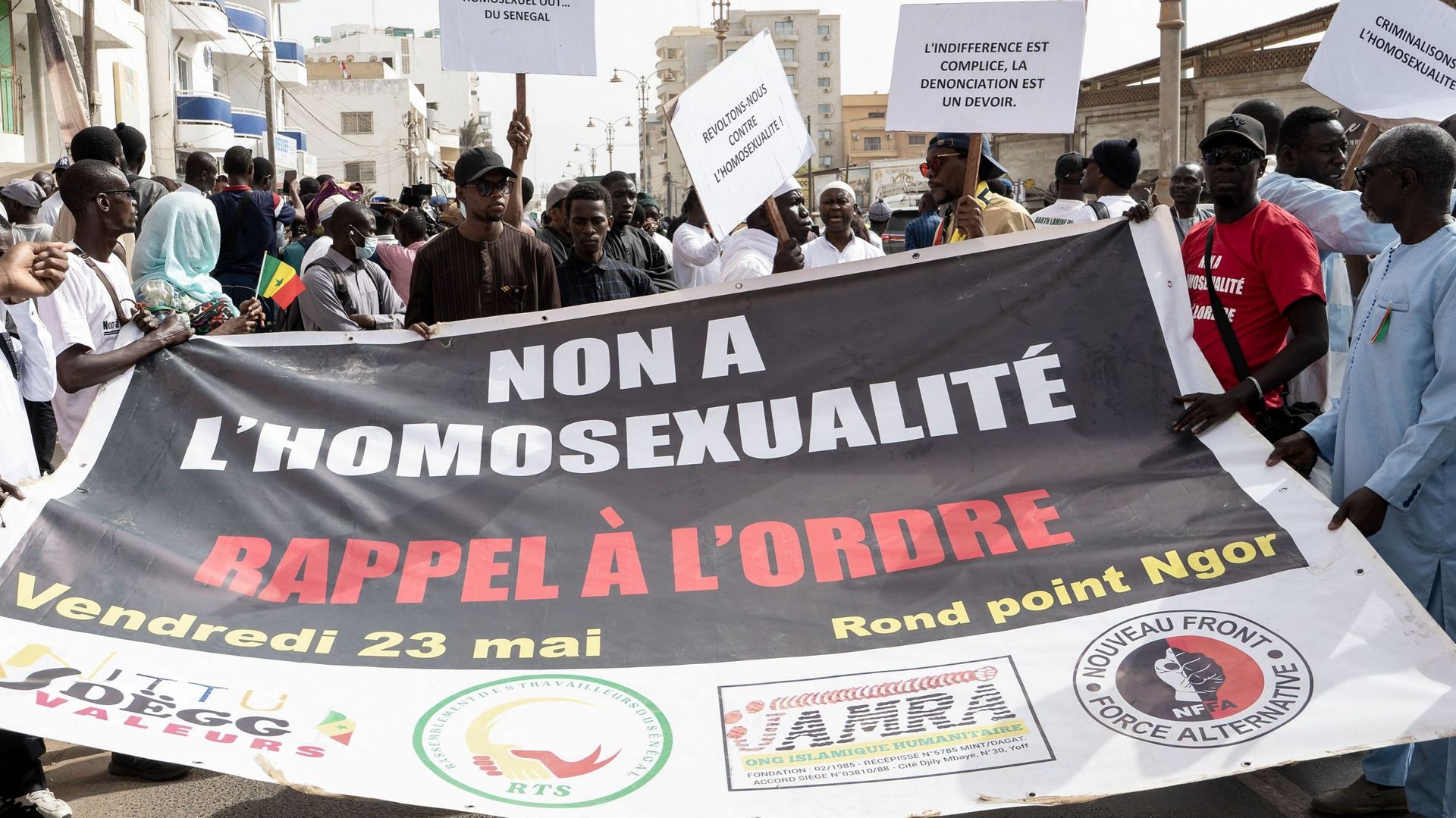
The contrast could not be starker. As Brussels prepares to celebrate three decades of progress in LGBTQ+ rights with its annual Pride Parade, Senegal has taken a dramatic step backward. In Dakar, a new law has just been enacted that criminalizes same-sex relationships more harshly than ever before, placing the country among Africa’s most repressive nations.
stricter penalties under the revised criminal code
President Bassirou Diomaye Faye has signed into law amendments that double the maximum prison sentence for “unnatural acts” from five to ten years. Fines have been raised tenfold, now reaching up to 10 million West African CFA francs—equivalent to more than €15,000. The legislation, introduced by Prime Minister Ousmane Sonko as a matter of “sovereignty,” was passed unanimously by the National Assembly on March 11, 2026, with 135 votes in favor and none against.
immediate surge in arrests
The new law is already having a chilling effect. In recent weeks, over a hundred individuals suspected of homosexuality have been detained. Some choose imprisonment over facing vigilante violence. “You live in constant fear. At any moment, they could come for you. You have to hide. This isn’t living,” confided a young Senegalese man who requested anonymity out of safety concerns.
Public sentiment has been fueled by powerful religious and political figures. The group And Sàmm Jikko Yi, which lobbied aggressively for the law, has publicly labeled LGBTQ+ individuals as a “public danger.” Its leader, Imam Babacar Sylla, has claimed without evidence that they “deliberately spread disease” and admitted to harboring no empathy for the community. This rhetoric has been echoed by government officials, who frame homosexuality as an “imported Western ideology” incompatible with Senegalese values—a narrative used to divert attention from the country’s worsening economic recession.
a climate of fear and violence
The consequences extend beyond legal persecution. Vigilante attacks have surged, with mobs targeting suspected LGBTQ+ individuals. “They don’t even let us speak. If you’re outed, you’re a target,” said an LGBTQ+ rights activist based in Dakar. Fear has also reached the expatriate community. The recent arrest of a French engineer, reportedly taken from his home without warning, has sent shockwaves through foreign residents, underscoring that no one is safe.
healthcare and human rights in freefall
The situation threatens decades of progress in public health. HIV testing rates are plummeting as individuals fear carrying condoms or lubricants could be used as evidence against them. “People are avoiding treatment for fear of being tracked or prosecuted. For those living with HIV, it’s now nearly impossible to access care,” warned a representative from a Senegalese LGBTQ+ health organization. The International Federation for Human Rights (FIDH) has condemned the law, stating that it “does not protect anyone—it exposes already vulnerable people to further violence, arbitrary arrests, and humiliation.”
Senegal is not alone in this regression. Thirty-one of Africa’s 54 countries criminalize homosexuality, as do 21 nations in Asia. While Uganda and Nigeria are notorious for their extreme anti-LGBTQ+ laws, Senegal—once considered a bastion of stability—has now joined their ranks. For those affected, exile or silence are often the only choices left.
international condemnation grows
Human rights organizations worldwide are sounding alarms. The FIDH has emphasized that the law not only endangers individuals but also violates their right to freedom of expression by criminalizing any form of advocacy or support for LGBTQ+ rights. “A law like this doesn’t just punish—it destroys lives and undermines decades of public health progress,” stated Drissa Traoré, FIDH’s Secretary-General.
The new legislation marks a turning point for Senegal, shifting from a perception of moderation to one of severe repression. For LGBTQ+ individuals in the country, the future is bleak. With no legal protections, escalating violence, and a climate of fear, many face an impossible choice: flee or live in hiding.
Related Posts