Benin’s AI-driven solution to water pollution
In the bustling city of Cotonou, a Beninese start-up named SSaFE is redefining innovation under the leadership of chemical engineer Marielle Agbahoungbata. Their latest creation, a smart filtering robot, equipped with artificial intelligence, is poised to turn every drop of contaminated water into a valuable resource—while conversing fluently in local languages.
From Paris to Cotonou: a voice that resonates globally
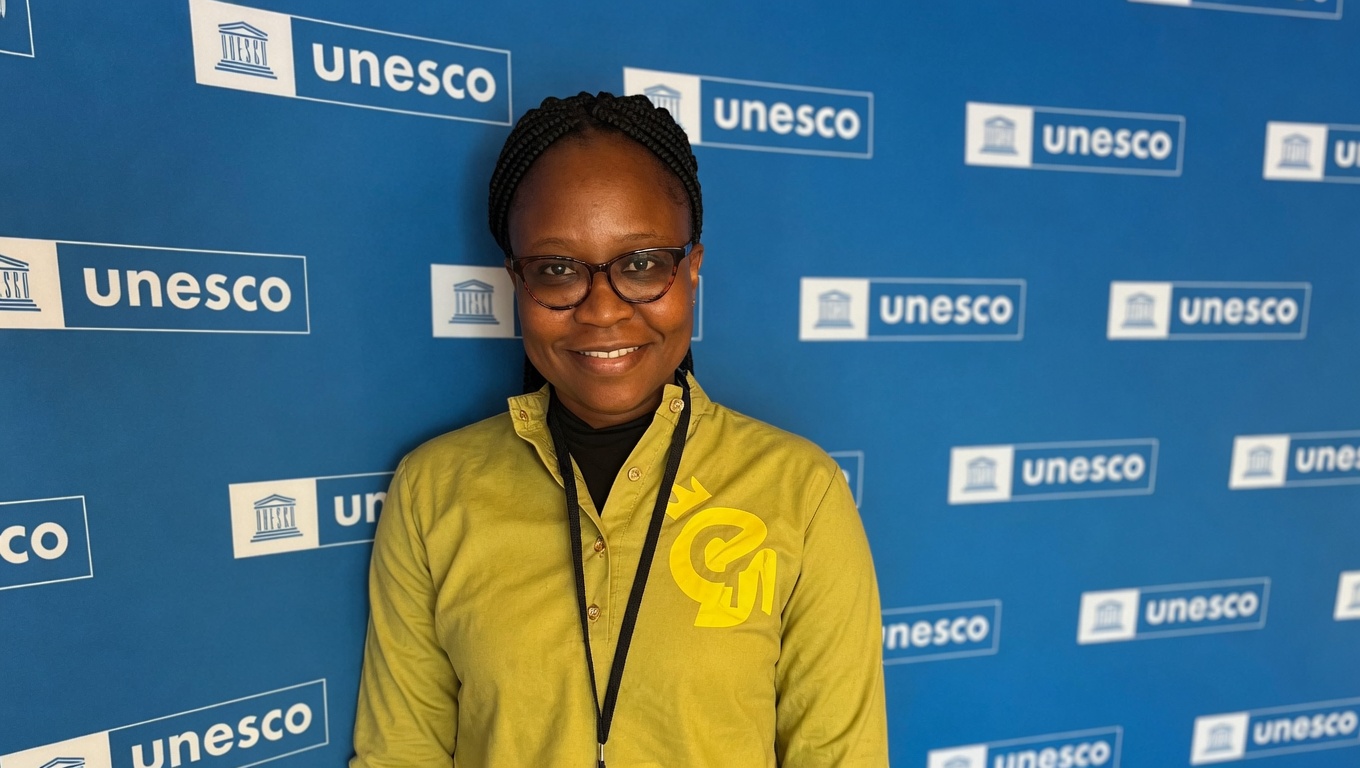
During an afternoon gathering at UNESCO headquarters in Paris, a Beninese voice captivated the audience. That voice belonged to Marielle Agbahoungbata, who shifted the conversation from abstract technological debates to tangible solutions for her country’s pressing water challenges. Her presentation unveiled a groundbreaking innovation: an autonomous robot capable of not only assessing water purity but also determining the most effective treatment method.
A compact laboratory with decision-making power
Dubbed Watt Air, this robot transcends the role of a conventional machine. It functions as a miniature laboratory, equipped with AI that evaluates pollutants and selects the most suitable purification process. Whether the water is intended for irrigation, laundry, or human consumption, the system makes informed decisions with surgical precision.
The robot’s AI-driven approach minimizes waste by calculating the exact amount of reagents required, a critical advantage in a region grappling with water scarcity and rising treatment costs.
Bridging the literacy gap with multilingual AI
The brilliance of SSaFE’s innovation lies in its accessibility. While many technological solutions cater exclusively to highly educated users, Watt Air is designed for everyone—including mothers in remote villages with limited access to formal education. The robot features a voice-assisted interface that supports multiple African languages, including Fon, Bambara, Swahili, and Wolof.
A mother in a rural settlement, where schooling is often a distant dream, can now converse with her filtering robot in her native tongue, recycling laundry water effortlessly. ‘She can purify water at home without ever setting foot in a classroom,’ Agbahoungbata emphasizes. This human-centric design ensures that AI adapts to the user, not the other way around.
Sèmè City: where local ingenuity thrives
The birthplace of the Watt Air project is Sèmè City, Cotonou’s innovation hub. According to Thierry d’Almeida, CEO of the City’s research institute, the synergy between mathematicians and chemists is the driving force behind solving local challenges. With a $30,000 grant from UNESCO, the project exemplifies how homegrown solutions in Africa are crafted with deep-rooted contextual understanding.
A 2027 launch on the horizon
Though currently in the prototype phase, the SSaFE team is determined to bring Watt Air to households by 2027. The next critical step involves securing partnerships and funding to transition from laboratory testing to real-world implementation.
Marielle Agbahoungbata’s vision extends beyond technological prowess. ‘True innovation must free time, protect health, and leave no one behind—regardless of language or background,’ she asserts. As Benin prepares for a future where clean water is no longer a luxury, Watt Air stands as a testament to the transformative power of AI when guided by purpose and inclusivity.