The Central African Republic (CAR) has become a battleground for far more than just political strife and civil unrest. Deep within its mines and shadowy corridors of power, a lucrative and brutal enterprise has taken root, driven by foreign mercenaries who trade in violence, fear, and staggering wealth. The group in question—Russia’s Wagner—has transformed from a shadowy military contractor into a dominant force shaping the country’s economy, security, and future.
Wagner’s grip on central africa’s resources
At the heart of this shadow economy lies the extraction of gold, diamonds, and other precious minerals. Reports from the ground indicate that Wagner-linked operations now control vast swaths of mining territory, particularly in volatile regions like Bambari, Bria, and Zémio. These areas, once plagued by rebel factions and intercommunal violence, now host heavily armed mercenaries who ensure order—not for the sake of peace, but for the sake of profit.
Local miners describe a system where they are forced to sell their finds to Wagner-affiliated buyers at prices far below market value. Those who resist face intimidation, violence, or disappearances. The group’s presence has turned mining towns into fortified strongholds, where armed checkpoints and surveillance networks keep dissent at bay—and extraction at full tilt.
a cycle of brutality and fear
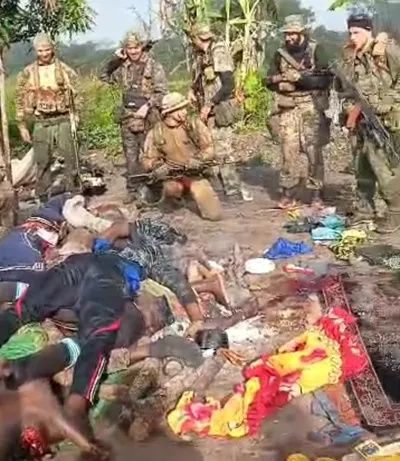
Wagner’s methods extend beyond economic exploitation. Civilians in regions under their influence frequently report abuses—extrajudicial killings, torture, and sexual violence—used as tools to suppress resistance. Independent observers note that these atrocities are not random but part of a calculated strategy to instill fear and compliance.
In towns like Bangui, the capital, Wagner operatives have embedded themselves within government security forces, providing “protection” in exchange for unfettered access to resources. Their influence is so pervasive that even the national army, FACA, now coordinates operations with them, blurring the lines between official security and mercenary rule.
the human cost of a billion-dollar business
The financial scale of Wagner’s operations in the CAR is staggering. Estimates suggest the group generates hundreds of millions annually from mineral exports, with little of that wealth trickling down to the local population. Instead, it flows back to Moscow, funding not just mercenary salaries but also broader geopolitical ambitions.
For the people of the CAR, the consequences are dire. Entire communities have been displaced by mining activities and the violence that accompanies them. Access to arable land has been restricted, food shortages are worsening, and healthcare systems in mining zones are collapsing under the weight of neglect.
can the central african republic break free?
International pressure has mounted, with human rights organizations calling for sanctions against Wagner and its backers. Yet, in the absence of a strong, unified government response, the group’s operations continue unabated. Some officials in Bangui have hinted at negotiations to reduce Wagner’s footprint, but concrete action remains elusive.
For now, the business of terror thrives. The CAR’s resources feed a cycle of violence, and its people bear the brunt. Without decisive intervention—whether diplomatic, economic, or military—the shadow of Wagner’s empire will only grow darker.