- Society
Human Rights in DRC: A Tale of Two Realities
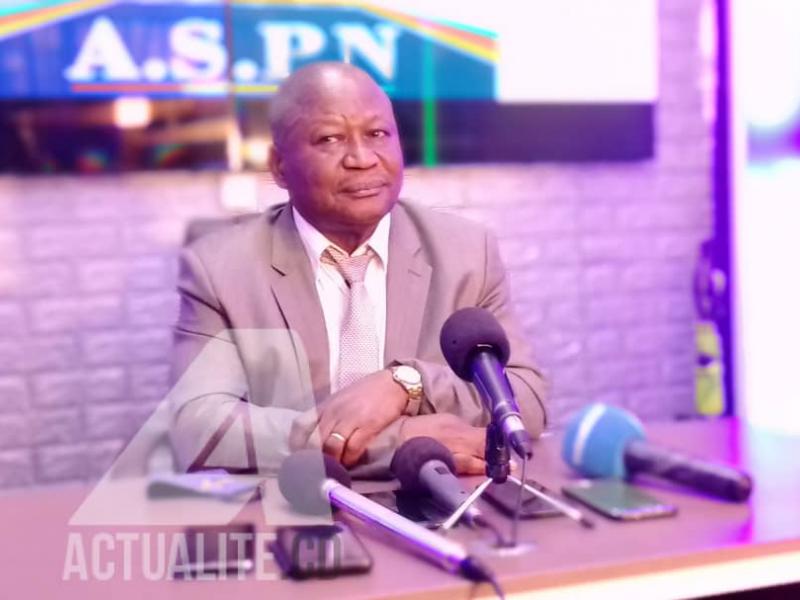
Kinshasa, Democratic Republic of Congo — In a revealing analysis during a Space live discussion led by Stanis Bujakera Tshiamala, Paul Nsapu, Chair of the National Human Rights Commission (CNDH), presented a nuanced picture of human rights under President Tshisekedi’s administration.
Structural violations in Kinshasa
In provinces under Kinshasa’s administrative control, Nsapu identified persistent violations of civil, political, economic, and social rights. These include access to employment, healthcare, and education — fundamental challenges he attributes to decades of systemic underdevelopment and governance failures. According to Nsapu, these issues stem from a long-standing pattern of neglect, where successive regimes have prioritized short-term political gains over sustainable progress for citizens.
Severe repression in the East
The situation takes a dramatically darker turn in the eastern provinces of North Kivu, South Kivu, and parts of Ituri. Here, Nsapu described a severe erosion of core human rights — the right to life, freedom of movement, and personal security — being routinely violated. He specifically pointed to the presence of Rwandan military forces and allied armed groups operating in areas effectively outside Kinshasa’s control as major drivers of this crisis.
Nsapu’s remarks underscore a disturbing dual reality: while legislative reforms have been enacted in the capital, the population in the East faces a daily struggle for survival amid violence, displacement, and systemic abuse. His analysis highlights the urgent need for coordinated action to address both structural governance failures and active conflict-driven violations.
As the DRC grapples with ongoing insecurity and deepening humanitarian crises, Nsapu’s assessment serves as a stark reminder of the distance still to be covered in fulfilling the promise of human dignity and security for all citizens.