Human rights violations in DRC: contrasting realities between Kinshasa and eastern provinces
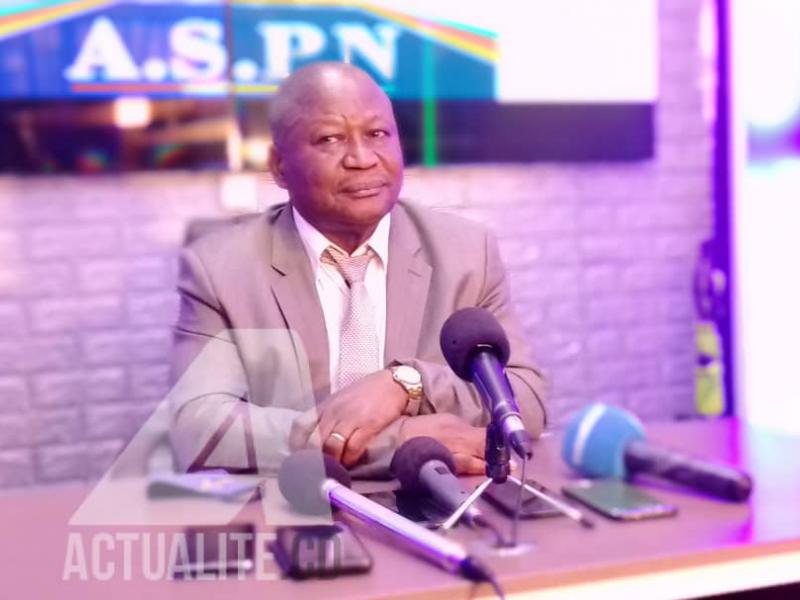
Kinshasa, June 3, 2026 — Paul Nsapu, president of the National Human Rights Commission (CNDH), has highlighted starkly different human rights situations across the Democratic Republic of the Congo (DRC). Speaking at a live Space event organized by Stanis Bujakera Tshiamala, he acknowledged legislative progress in Kinshasa while warning of severe violations in the eastern provinces.
Structural violations persist in Kinshasa despite legislative advances
In provinces under the capital’s administrative control, Nsapu identified ongoing structural violations affecting civil, political, economic, and social rights. He attributed these issues to decades of systemic governance failures, which have failed to improve living conditions despite nominal legislative reforms. Key concerns include:
- Economic and social rights violations: Limited access to healthcare, education, and employment opportunities
- Civil and political rights infringements: Restrictions on freedom of expression and assembly
- Systemic governance gaps: Failure of successive administrations to address root causes of poverty and marginalization
Eastern DRC faces severe human rights crisis
In stark contrast, the eastern provinces—particularly North Kivu, South Kivu, and parts of Ituri—are experiencing what Nsapu described as a “nuclear core” of human rights violations. The situation includes:
- Violations of fundamental rights: Arbitrary killings, forced displacements, and violations of personal security
- External aggravating factors: Presence of Rwandan military forces and allied militant groups operating outside Kinshasa’s control
- Erosion of state authority: Complete breakdown of law enforcement and judicial systems in conflict zones
Nsapu specifically pointed to the activities of Rwandan army units and their local affiliates as key drivers of the escalating violence, noting that these groups operate with impunity in areas beyond the central government’s reach.
Calls for coordinated action
The CNDH president emphasized the need for urgent, coordinated interventions to address these dual crises. He stressed that while legislative reforms in Kinshasa represent positive steps, they cannot compensate for the complete collapse of human security in eastern DRC. The situation demands:
- Immediate protection measures: For civilian populations in conflict zones
- Regional cooperation: To curb external interference and destabilizing influences
- Long-term governance reforms: To prevent structural violations in Kinshasa from persisting
As DRC continues to grapple with these contrasting realities, the international community and regional bodies face increasing pressure to intervene and prevent further deterioration of human rights across the country.