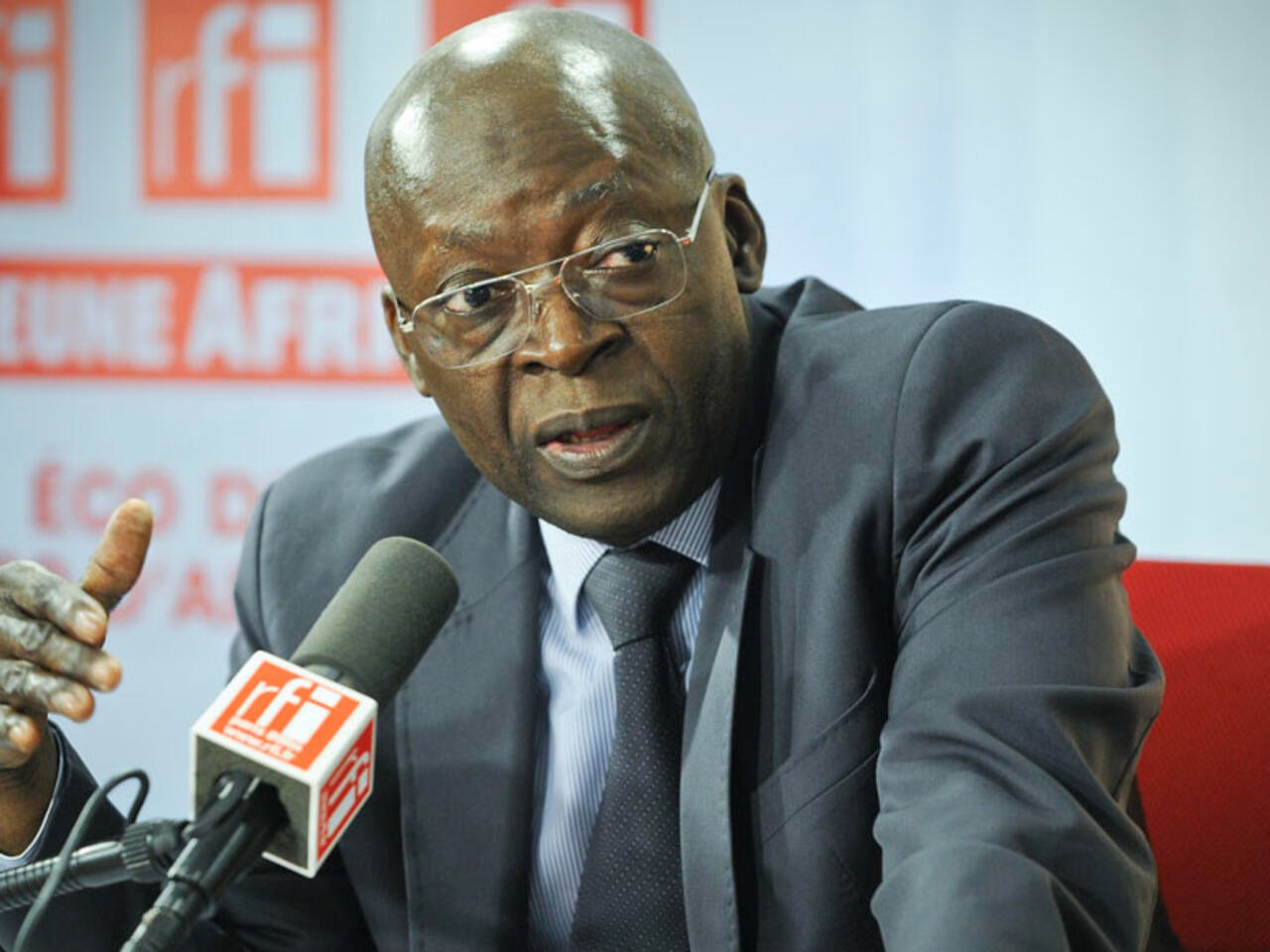
Benin’s push for influence within the francophone world is not improvised. It follows a deliberate pattern, and the latest chapter unfolded in Bucharest, Romania, where a Beninese delegation led by Abdoulaye Bio Tchané, president of the country’s Economic and Social Council (CES), joined the Bureau and General Assembly of the Union of Economic and Social Councils and Similar Institutions of La Francophonie (UCESIF) from September 28 to 30, 2026.
The meeting venue, the Romanian Parliament Palace, brought together member delegations to confront the pressing challenges of social dialogue, participatory governance and economic resilience across the French-speaking world. The context matters: Benin’s participation is rooted in a long-term effort to professionalise its consultative institutions and project their expertise abroad.
Benin’s consultative council and the logic behind its international push
The Bucharest trip reflects the vision of the CES’s eighth mandate, which places international outreach and openness to the best consultative governance practices at its core. Understanding what drives this approach helps explain why a national body would invest time and resources in a distant assembly.
Over the three days of discussions, the Beninese delegation’s work unfolded along several key tracks:
- Budgetary and administrative direction: reviewing activity reports, assessing financial management and setting UCESIF’s operational roadmap for the coming years.
- Francophone partnership building: strengthening synergies among member institutions so that citizen consultations become real drivers of national public policy.
- Bilateral cooperation: working sessions on the sidelines of plenary meetings with the heads of economic and social councils from Africa and Europe, exchanging experience on economic inclusion and social dialogue.
Why consultative assemblies matter more than they appear
By actively putting forward Beninese proposals within UCESIF, Abdoulaye Bio Tchané underscores a point often lost in day-to-day politics: consultative assemblies are not decorative. They contribute to stability and sustainable development by giving economic and social actors a structured voice.
Against the backdrop of global economic shifts and the challenge of youth employment, the Bucharest General Assembly gives Benin a valuable platform. It can showcase national initiatives while drawing lessons from successful models across the francophone network. The conclusions and resolutions adopted at the end of the proceedings will underpin the Union’s future joint actions.
What lies beneath the surface of Benin’s strategy
The deeper story is one of positioning. Benin is building a reputation as a reliable and active player in francophone consultative governance, which in turn strengthens its leverage in broader diplomatic and economic discussions. Each mission like this one adds to a body of experience that feeds back into national policy design.
For now, the Bucharest assembly has set the stage for the next phase of cooperation. The outcomes will be measured not only in resolutions but in how effectively Benin translates its UCESIF engagement into concrete benefits at home — from better social dialogue mechanisms to more inclusive economic policies.